Hurricane Isaias:
If you were impacted by the storm, here's
key recovery considerations for the days and weeks ahead
In 2026, religious organizations across the country are navigating a rapidly changing environment. From shifting community needs to evolving operational and safety risks, faith-based organizations are being asked to adapt in real time.
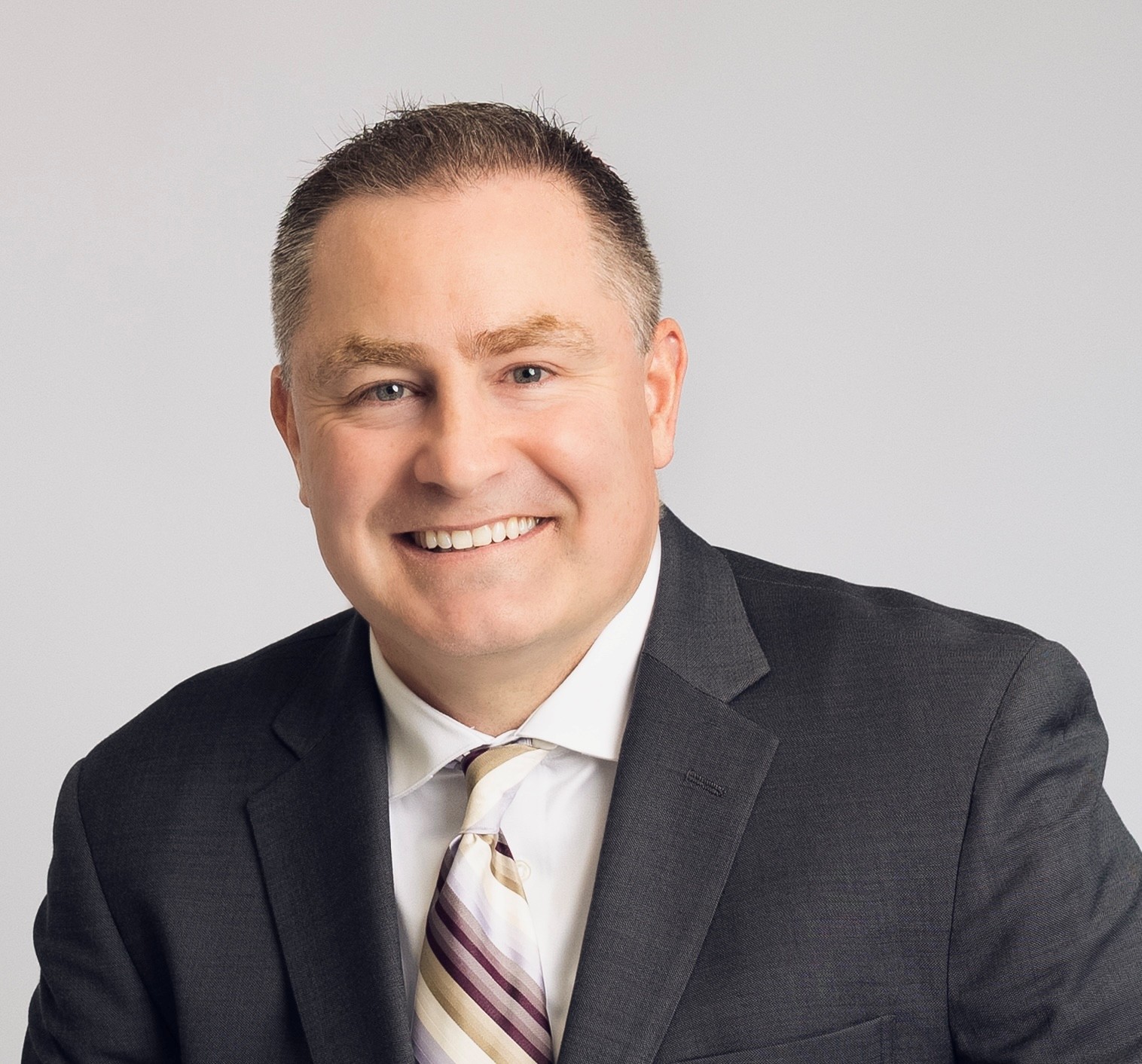
To better understand the challenges ahead — and the evolving needs of faith communities — Jennifer Johnson, senior corporate communications specialist, sat down with Neil Ziegler, chief underwriting officer – admitted at Church Mutual, to discuss the trends shaping the year, emerging risks on the horizon and how insurance carriers can step up to support churches and ministries in the months ahead.
This interview has been edited for length and clarity.
Neil Z: I would say a lot of things. What I hear and see the most — whether it's a small town or a large city — they're dealing with all of the uncertainty and unrest in the world at a time when their members turn to them for advice, explanation and some calm with all the things going on.
So, that combined with attracting more members and larger groups, in a time when there are so many polarizing topics out there — messaging their faith with what people believe in the real world — is a difficult thing to resonate with a large group of people. The focus is really keeping their members engaged and together, and attracting new ones, at a time when there's so many other things going on.
Neil Z: Houses of worship are trying new things to start attracting new members. That’s much more common than I would say a year ago. The other thing that's going on is the property market in particular, which was very tight a year ago. And prices were going up, and the financial strain on a lot of religious organizations is a real thing. They continue to understand that, figure out how they make ends meet as they run their organizations. I think that strain has gotten even more significant over the last year.
Neil Z: Yes, for sure. The financial strain manifests itself in a lot of ways. When you don't maintain your properties and you don't maintain your vehicles — it's easy to push those things off today, but in the future they show up in bad ways, right? Being proactive, managing insurance risk, but also, as they expand into new areas or new ministries, it's all well-intended in terms of doing things that will engage their members. But that can come with a lot of new risks, and until you actually do those things, you often don't understand what all those risks could be. So, that is maybe the concern I would have. Do you understand those new ministries that you're undertaking, and a lot of the things that you’re trying as your organizations evolve?
Neil Z: Those who can demonstrate that they're doing those things proactively are definitely the ones that are more desirable to a lot of insurance companies, and therefore see lower premiums or more favorable terms and conditions. So, that would be the recommendation — if I had one — to a lot of religious organizations. Demonstrate that they're still doing preventative maintenance. And then a step further, having them done by certified individuals. A lot of times, we do see members of congregations pitching in, helping out where they can, because they may have some level expertise, or potentially not. But they think they can do it. So, some of the preventive maintenance may not be done to the standards that insurance companies would like to see, or that need to be done to protect the property.
Neil Z: The specialization that we have at Church Mutual — where we really understand these risks and know this business — is really important to compare the operations of a religious organization with what their policy covers. And our expertise and our focus in this area really helps with that, so that we can understand, do you have the coverages you need in the event of a loss? We really do not want a house of worship to be surprised by anything and left with a loss not covered. So, that expertise brings a lot to the table.
I would also say that our financial strength and size is really valuable in uncertain times. We have a really strong financial position and we're in all 50 states, so we have the financial strength and the products to really cover a wide range of operations, which is valuable. But there’s balance. We’re also not so big that everybody is just a number, which is a very common phenomenon in the insurance industry. We still strive very much so at Church Mutual to understand our customers and provide what they need and have that personal touch and understanding in the community.