Hurricane Isaias:
If you were impacted by the storm, here's
key recovery considerations for the days and weeks ahead
Church Mutual Insurance
Insurance
By Industry
Houses of WorshipNonprofit & Human Services OrganizationsCamps, Sports & Outdoor RecreationEducation & Schools
By Coverage
Specialized CoverageProperty CoverageLiability CoverageWorkers’ Compensation
Resources
Risk Control
View AllChecklists & GuidesSafety ProductsVideos
Articles
View AllCamps, Sports, and Outdoor RecreationEducation and SchoolsHouses of WorshipNonprofit and Human Services
Partner Services
View AllNurse HotlineTelemedicineBackground Checks
Additional Resources
Customer CenterBroker CenterFAQs
Support
Get In Touch
ChatContact Options800-554-2642
Additional Support
Claims CenterPremium AuditPayment CenterFind Your Local RepBroker Center
About
Who We Are
Why Church MutualHistoryLeadershipTestimonialsCM CARES®Newsroom
Careers
Job OpeningsWorking HereCareer AreasDiversity & InclusionBenefitsEarly Career
pay a bill
Pay online:
Make A Payment
Visit our Payment Center for more info. We’ve upgraded our payment system. Read our FAQs for details.
File a Claim
Start Your Claim
Questions? Visit our Claims Center for more info.
Log In
Customer Accounts:
Customer Log In
CREATE ACCOUNT
Broker Accounts:
BROKER LOG IN
CREATE ACCOUNT
search
I’m looking for…
Questions? Check out our FAQs for more info.
Start a Quote
My organization is a
Thank you! Your submission has been received!
Oops! Something went wrong while submitting the form.
Start a Quote
US flagChurch Mutual gives backUS flag
Checklists & Guides
Houses of Worship
Nonprofit & Human Services Organizations
Education & Schools
Camps Sports & Outdoor Recreation
Severe Weather Preparedness
Checklists & Guides
Houses of Worship
Nonprofit & Human Services Organizations
Education & Schools
Camps Sports & Outdoor Recreation
Severe Weather Preparedness
9/16/2022
Information

Take Precautions Against Lightning With Protection Systems

Take Precautions Against Lightning With Protection Systems

Every year, organizations across the country experience costly damage from lightning storms. Fires, power outages and structural damage are just some of the risks that can disrupt operations and threaten safety. According to the Centers for Disease Control and Prevention (CDC), lightning is also one of the leading causes of weather-related injuries in the United States. While you can’t control lightning and where it strikes, you can take proactive steps to help protect your people and your property.

Our Take Precautions Against Lightning guide provides practical strategies to reduce risk, strengthen safety protocols and ensure your organization is prepared when charged storms roll in.

Why Lightning Protection Systems Matter

One of the most effective ways to safeguard facilities is with a professionally installed lightning protection system. These systems channel electrical charges safely into the ground, reducing the risk of fire, power surges and structural damage. Benefits include:

  • Safety. Helps protect staff, volunteers and visitors from injuries caused by lightning strikes.
  • Property protection. Can minimize repair costs by helping to prevent fire, power surges and damage to key systems.
  • Operational continuity. Keeps your organization up and running by reducing downtime after a strike.
  • Reputation and trust. Shows your commitment to safety and preparedness, strengthening community confidence.

The guide also breaks down the essential components of these systems—from lightning rods to conductor cables, ground rods and surge protection devices—so leaders can make informed decisions about installation and maintenance.

Keeping People Safe Outdoors

Lightning isn’t only a risk to buildings; it’s a danger to anyone participating in outdoor events or activities. That’s why organizations should have a lightning safety plan in place. The guide covers practical steps, such as:

  • Monitoring weather conditions with forecasts, apps or detection technology.
  • Assigning a dedicated weather monitor who isn’t distracted by event duties.
  • Establishing clear protocols for when to suspend activities and seek shelter.
  • Moving participants indoors or to enclosed buildings or hard-topped vehicles when storms approach.
  • Avoiding high-risk areas such as open fields, lone trees, metal fences or bodies of water.

The guide stresses that after the last clap of thunder, organizations should wait at least 30 minutes before resuming outdoor activities.

Indoor Safety Considerations

Even inside, people need to take precautions. Staying away from doors, windows, large appliances and plumbing helps reduce exposure to electrical surges. Vehicles can serve as safe alternatives if proper shelters aren’t available, though leaders should remain aware of potential flooding and other adverse conditions during thunderstorms.

Why Download the Full Guide?

This preview highlights key practices, but the complete Take Precautions Against Lightning guide goes deeper with safety tips, system details and step-by-step strategies for protecting both facilities and people. It equips organizations to act with confidence when lightning threatens.

Share this article with others:
FacebookLinkedinMailLink
URL copied to clipboard!
Explore more risk resources:
By Category
ArticlesChecklists &GuidesSafety ProductsVideos
By Organization
Camps, Sports & Outdoor RecreationEducation & SchoolsHouses of WorshipNonprofit & Human Service Organizations
By Topic
Buildings & GroundsBusiness PlanningCOVID-19 Response & RecoveryCybersecurityFinancial TipsFire Preparedness & PreventionInjury & Illness PreventionMaintenanceSecurity & Crime PreventionSevere Weather PreparednessSexual Abuse PreventionStaff & Volunteer Safety & ManagementTransportation SafetyTravel

Related Risk Management Articles

view all articles
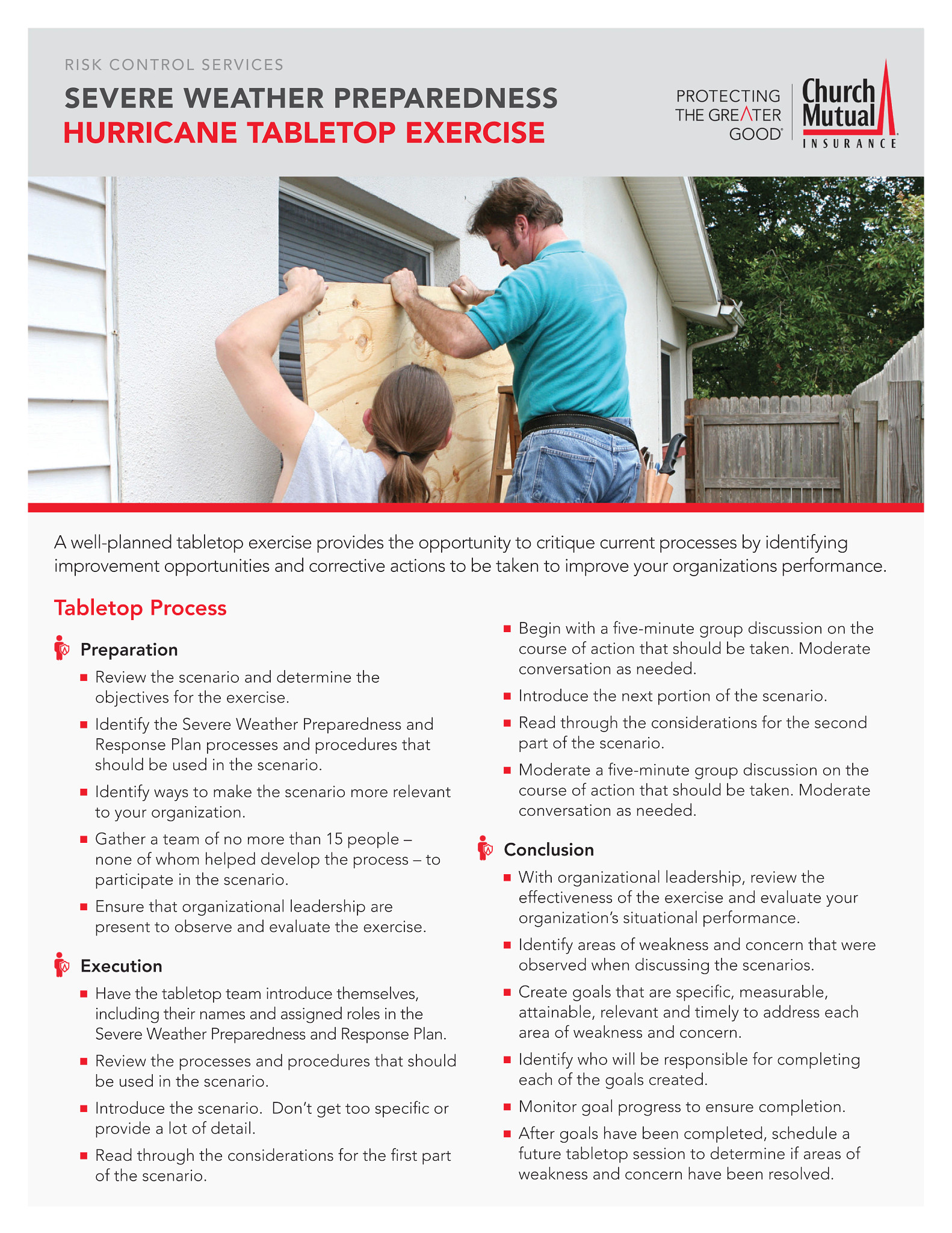
Hurricane Ready? Try a Tabletop Exercise to Find OutHurricane Ready? Try a Tabletop Exercise to Find Out

Hurricane Ready? Try a Tabletop Exercise to Find Out

read the article
Arrow
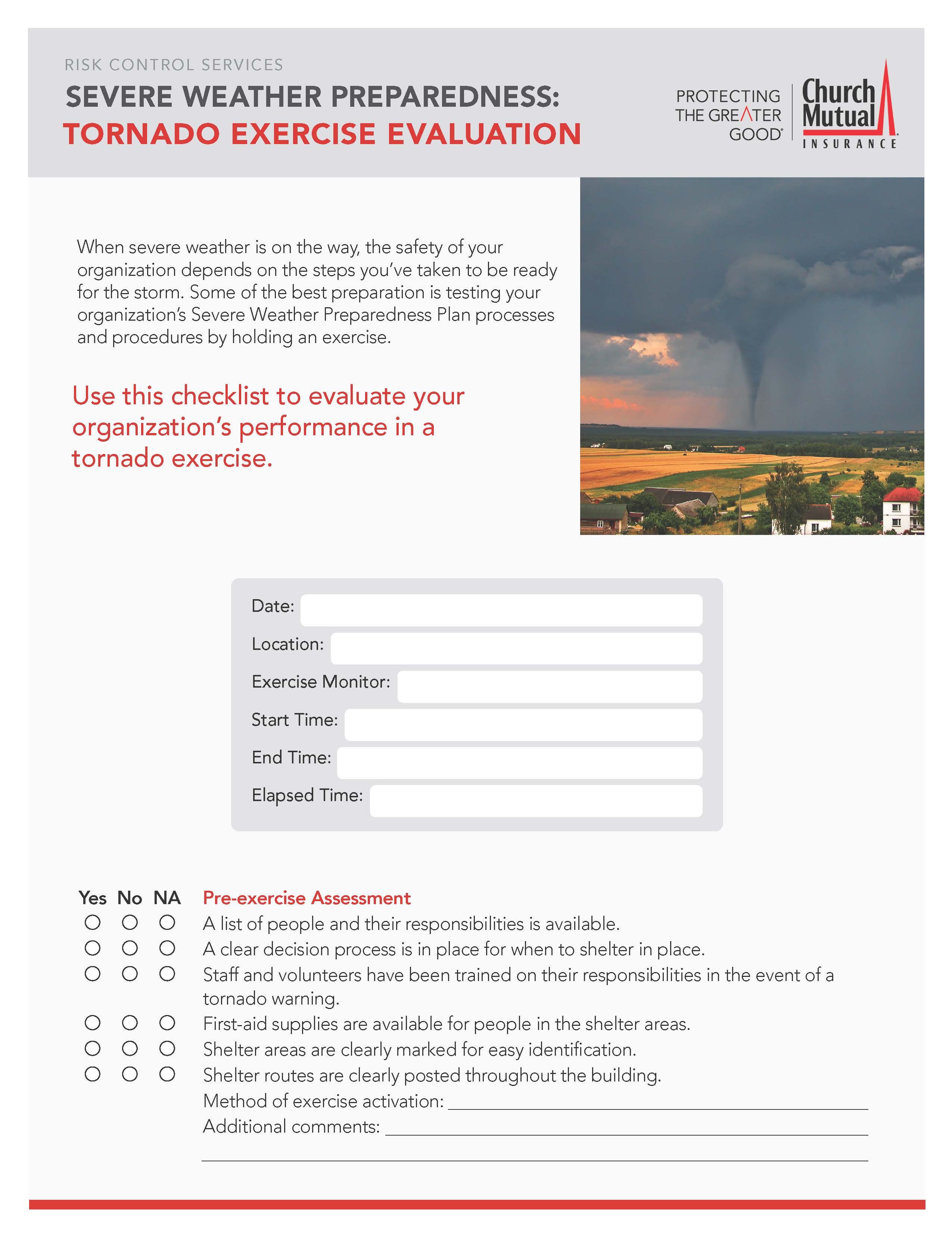
Tornado Exercise Evaluation: Test Your PreparednessTornado Exercise Evaluation: Test Your Preparedness

Tornado Exercise Evaluation: Test Your Preparedness

read the article
Arrow
React Quickly to Flooding and Hail: Protect Your FacilityReact Quickly to Flooding and Hail: Protect Your Facility

React Quickly to Flooding and Hail: Protect Your Facility

read the article
Arrow
Checklists & Guides
Houses of Worship
Nonprofit & Human Services Organizations
Education & Schools
Camps Sports & Outdoor Recreation
Severe Weather Preparedness

Take Precautions Against Lightning With Protection Systems

While you can't control the weather, you can be prepared for it and aim to minimize damages. Reference this guide to take precautions against lightning.

Every year, organizations across the country experience costly damage from lightning storms. Fires, power outages and structural damage are just some of the risks that can disrupt operations and threaten safety. According to the Centers for Disease Control and Prevention (CDC), lightning is also one of the leading causes of weather-related injuries in the United States. While you can’t control lightning and where it strikes, you can take proactive steps to help protect your people and your property.

Our Take Precautions Against Lightning guide provides practical strategies to reduce risk, strengthen safety protocols and ensure your organization is prepared when charged storms roll in.

Why Lightning Protection Systems Matter

One of the most effective ways to safeguard facilities is with a professionally installed lightning protection system. These systems channel electrical charges safely into the ground, reducing the risk of fire, power surges and structural damage. Benefits include:

  • Safety. Helps protect staff, volunteers and visitors from injuries caused by lightning strikes.
  • Property protection. Can minimize repair costs by helping to prevent fire, power surges and damage to key systems.
  • Operational continuity. Keeps your organization up and running by reducing downtime after a strike.
  • Reputation and trust. Shows your commitment to safety and preparedness, strengthening community confidence.

The guide also breaks down the essential components of these systems—from lightning rods to conductor cables, ground rods and surge protection devices—so leaders can make informed decisions about installation and maintenance.

Keeping People Safe Outdoors

Lightning isn’t only a risk to buildings; it’s a danger to anyone participating in outdoor events or activities. That’s why organizations should have a lightning safety plan in place. The guide covers practical steps, such as:

  • Monitoring weather conditions with forecasts, apps or detection technology.
  • Assigning a dedicated weather monitor who isn’t distracted by event duties.
  • Establishing clear protocols for when to suspend activities and seek shelter.
  • Moving participants indoors or to enclosed buildings or hard-topped vehicles when storms approach.
  • Avoiding high-risk areas such as open fields, lone trees, metal fences or bodies of water.

The guide stresses that after the last clap of thunder, organizations should wait at least 30 minutes before resuming outdoor activities.

Indoor Safety Considerations

Even inside, people need to take precautions. Staying away from doors, windows, large appliances and plumbing helps reduce exposure to electrical surges. Vehicles can serve as safe alternatives if proper shelters aren’t available, though leaders should remain aware of potential flooding and other adverse conditions during thunderstorms.

Why Download the Full Guide?

This preview highlights key practices, but the complete Take Precautions Against Lightning guide goes deeper with safety tips, system details and step-by-step strategies for protecting both facilities and people. It equips organizations to act with confidence when lightning threatens.

Related Risk Management Videos

view all videos
Severe Weather PreparednessSevere Weather Preparedness

Severe Weather Preparedness

Watch the Video
Arrow
Checklists & Guides
Information
Safety Products are NO COST for Church Mutual customers.

Take Precautions Against Lightning With Protection Systems

While you can't control the weather, you can be prepared for it and aim to minimize damages. Reference this guide to take precautions against lightning.

first-time enrollment
order additional devices
Order In Portal
Take Precautions Against Lightning With Protection Systems

Related Risk Management Safety Products

view all safety products
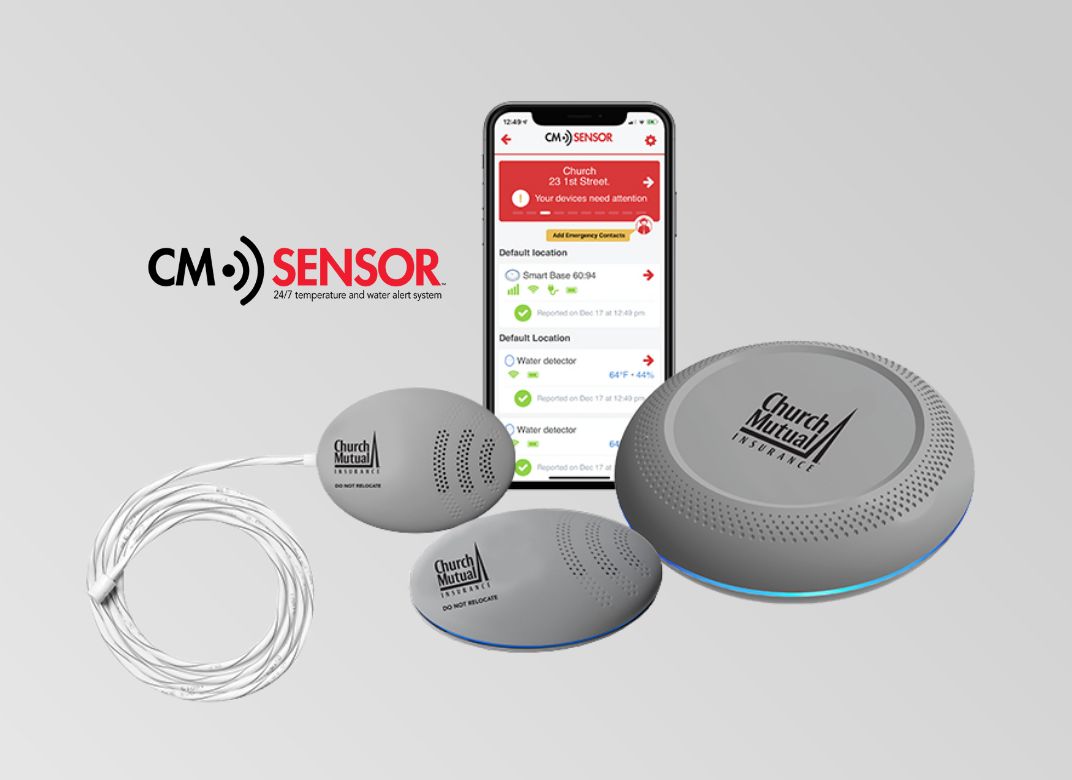
CM Sensor® 24/7 Temperature and Water Alert SystemCM Sensor® 24/7 Temperature and Water Alert System

CM Sensor® 24/7 Temperature and Water Alert System

Learn More & Order
Arrow
CM Wildfire Solutions™CM Wildfire Solutions™

CM Wildfire Solutions™

Learn More & Order
Arrow
Checklists & Guides
Houses of Worship
Nonprofit & Human Services Organizations
Education & Schools
Camps Sports & Outdoor Recreation
Severe Weather Preparedness

Take Precautions Against Lightning With Protection Systems

While you can't control the weather, you can be prepared for it and aim to minimize damages. Reference this guide to take precautions against lightning.

download now
open in a new tab
Take Precautions Against Lightning With Protection Systems

Every year, organizations across the country experience costly damage from lightning storms. Fires, power outages and structural damage are just some of the risks that can disrupt operations and threaten safety. According to the Centers for Disease Control and Prevention (CDC), lightning is also one of the leading causes of weather-related injuries in the United States. While you can’t control lightning and where it strikes, you can take proactive steps to help protect your people and your property.

Our Take Precautions Against Lightning guide provides practical strategies to reduce risk, strengthen safety protocols and ensure your organization is prepared when charged storms roll in.

Why Lightning Protection Systems Matter

One of the most effective ways to safeguard facilities is with a professionally installed lightning protection system. These systems channel electrical charges safely into the ground, reducing the risk of fire, power surges and structural damage. Benefits include:

  • Safety. Helps protect staff, volunteers and visitors from injuries caused by lightning strikes.
  • Property protection. Can minimize repair costs by helping to prevent fire, power surges and damage to key systems.
  • Operational continuity. Keeps your organization up and running by reducing downtime after a strike.
  • Reputation and trust. Shows your commitment to safety and preparedness, strengthening community confidence.

The guide also breaks down the essential components of these systems—from lightning rods to conductor cables, ground rods and surge protection devices—so leaders can make informed decisions about installation and maintenance.

Keeping People Safe Outdoors

Lightning isn’t only a risk to buildings; it’s a danger to anyone participating in outdoor events or activities. That’s why organizations should have a lightning safety plan in place. The guide covers practical steps, such as:

  • Monitoring weather conditions with forecasts, apps or detection technology.
  • Assigning a dedicated weather monitor who isn’t distracted by event duties.
  • Establishing clear protocols for when to suspend activities and seek shelter.
  • Moving participants indoors or to enclosed buildings or hard-topped vehicles when storms approach.
  • Avoiding high-risk areas such as open fields, lone trees, metal fences or bodies of water.

The guide stresses that after the last clap of thunder, organizations should wait at least 30 minutes before resuming outdoor activities.

Indoor Safety Considerations

Even inside, people need to take precautions. Staying away from doors, windows, large appliances and plumbing helps reduce exposure to electrical surges. Vehicles can serve as safe alternatives if proper shelters aren’t available, though leaders should remain aware of potential flooding and other adverse conditions during thunderstorms.

Why Download the Full Guide?

This preview highlights key practices, but the complete Take Precautions Against Lightning guide goes deeper with safety tips, system details and step-by-step strategies for protecting both facilities and people. It equips organizations to act with confidence when lightning threatens.

download now
open in a new tab

Related Risk Management Checklists & Guides

view all checklists & guides
Hurricane Ready? Try a Tabletop Exercise to Find OutTake Precautions Against Lightning With Protection Systems

Hurricane Ready? Try a Tabletop Exercise to Find Out

Get the Guide
Arrow
Severe Weather Preparedness ToolkitTake Precautions Against Lightning With Protection Systems

Severe Weather Preparedness Toolkit

Get the Guide
Arrow
What You Need To Know About Windstorms For ProtectionTake Precautions Against Lightning With Protection Systems

What You Need To Know About Windstorms For Protection

Get the Guide
Arrow
Church Mutual Insurance
Facebook
LinkedIn
Youtube
Instagram
800-554-2642
Quick Links
Request a QuotePay a BillFile a ClaimFind Your Local Rep
Get Answers
Contact UsClaims CenterPayment CenterCustomer CenterBroker CenterNewsroom
Careers
Job OpeningsWorking HereCareer AreasDiversity & InclusionBenefitsEarly Career
Site Map
|
Consent Preferences
|
Legal & Privacy Policy

Church Mutual Insurance Company, S.I. (a stock insurer) | P.O. Box 357 | 3000 Schuster Lane | Merrill, WI 54452-0357 | Telephone (800) 554-2642 or (715) 536-5577
© 2026 Church Mutual Insurance Company, S.I. All rights reserved. Protecting the Greater Good is a registered trademark of Church Mutual Insurance Company, S.I.

¹ Church Mutual is a stock insurer whose policyholders are members of the parent mutual holding company formed on 1/1/20. S.I. = a stock insurer.