Hurricane Isaias:
If you were impacted by the storm, here's
key recovery considerations for the days and weeks ahead
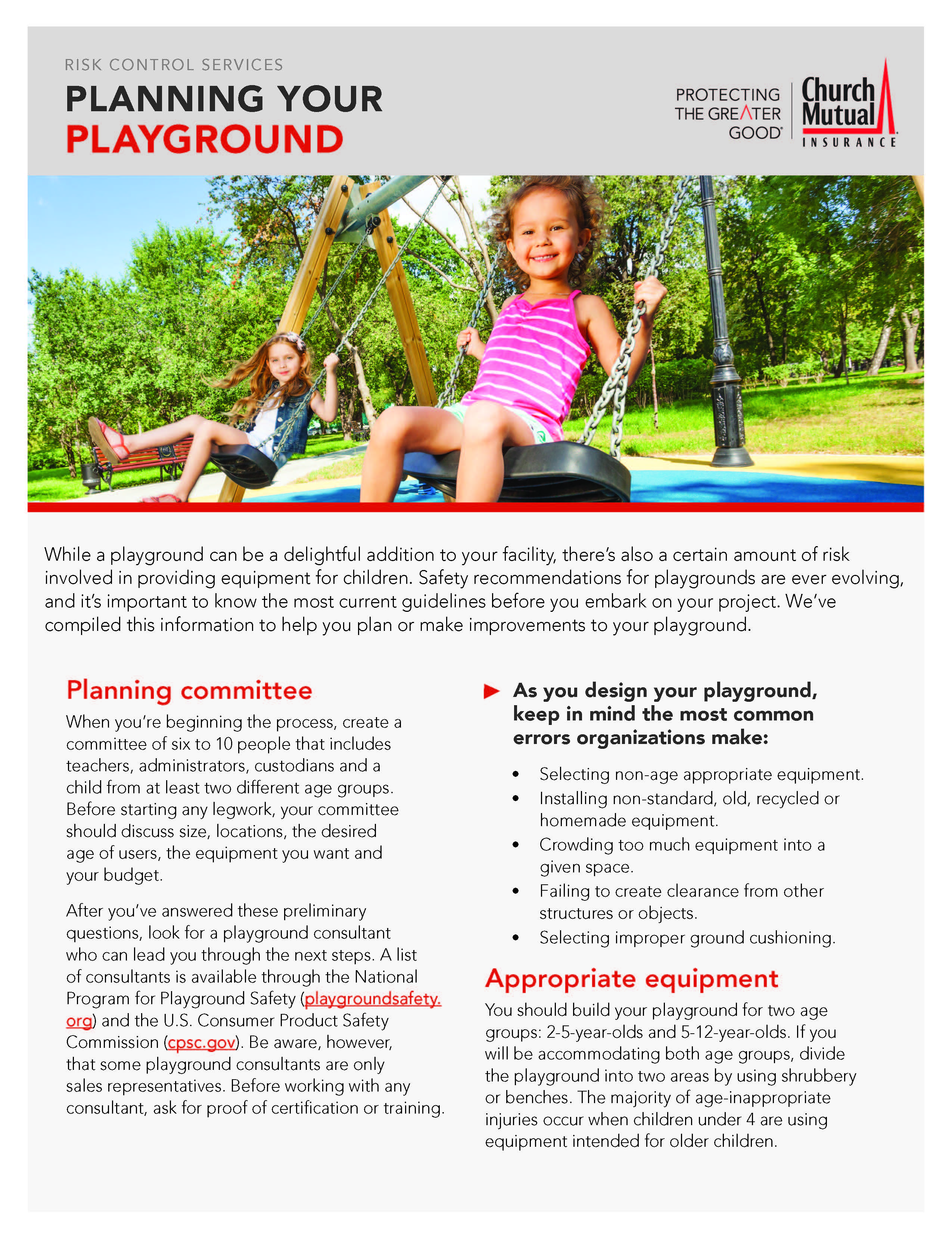
Playgrounds should be places where children can explore, learn and play with confidence. However, unsafe equipment, deteriorating surfacing, inadequate supervision or overlooked hazards can increase the potential for injuries.
Organizations that regularly evaluate playground conditions and implement documented safety practices are better positioned to:
This collection of resources works together to help organizations assess playground safety practices, identify potential hazards and strengthen efforts to create safer play environments for children.
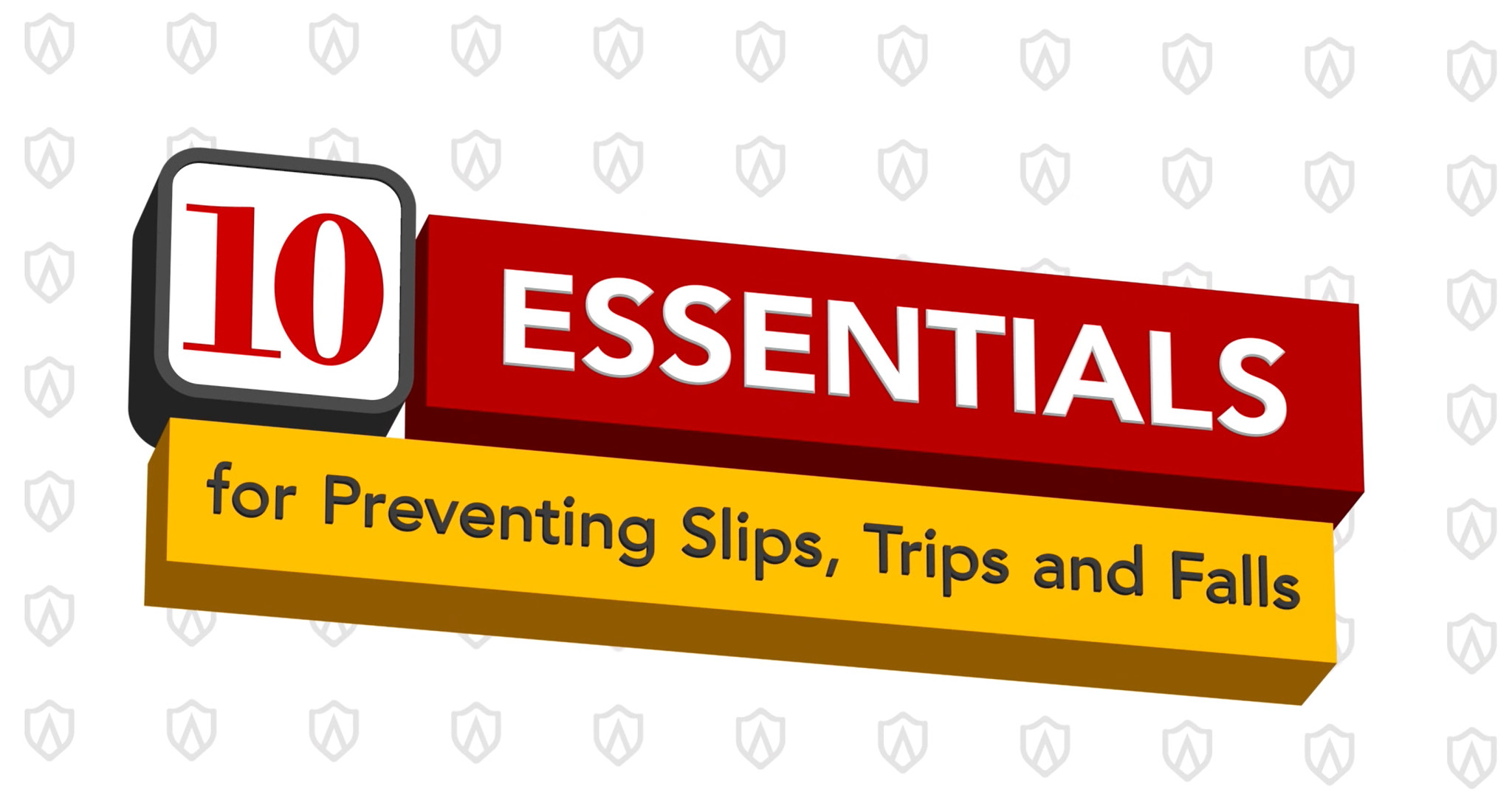
Gain a better understanding of the key factors that contribute to a safer playground with guidance focused on 10 essential areas of playground safety, including:
These safety essentials can help organizations identify common risk factors and implement practical measures to reduce the likelihood of injuries.
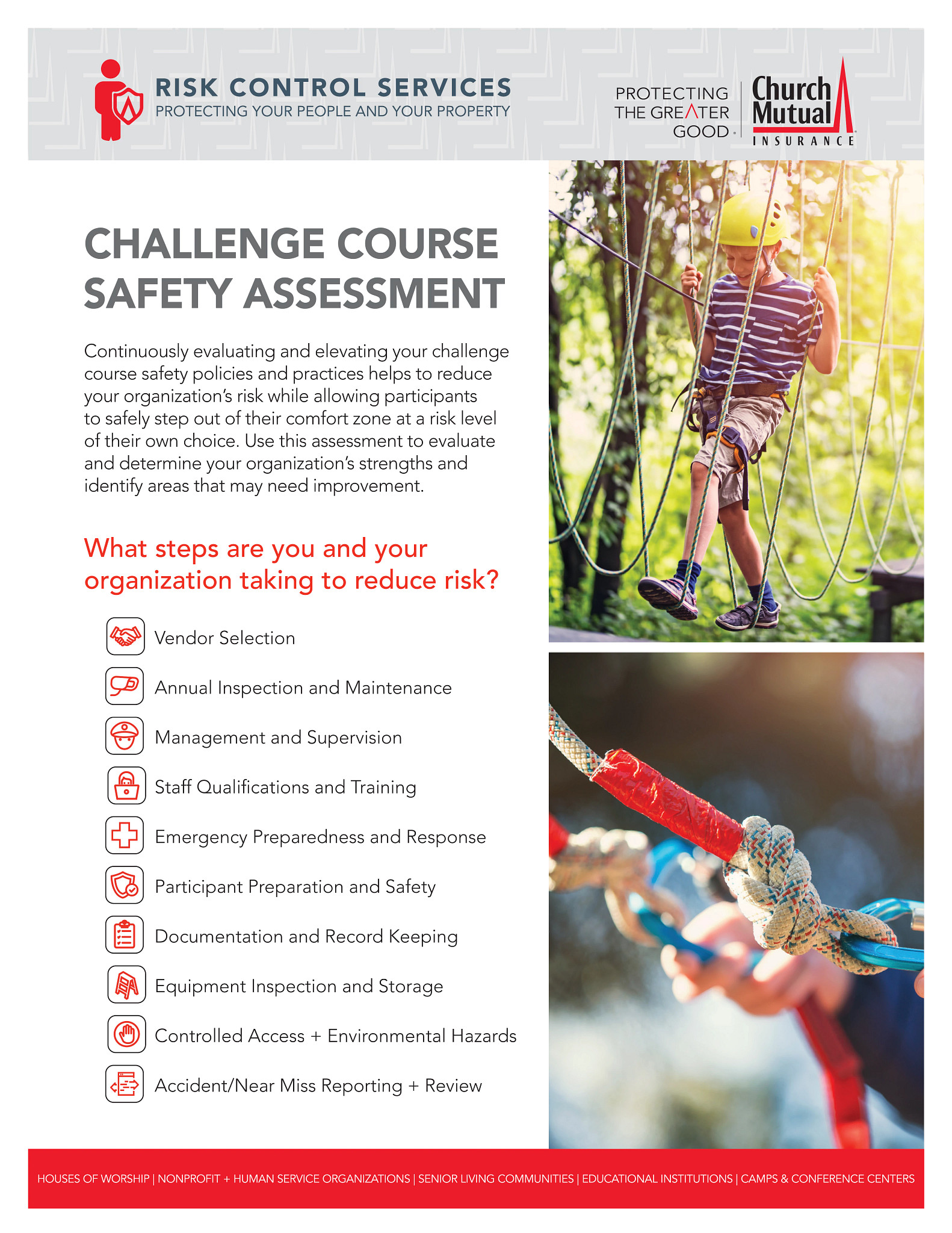
Use this self-assessment to help evaluate current playground safety practices, identify opportunities for improvement and review key components of a strong playground safety program, including:
The results can help guide conversations, prioritize next steps and support ongoing efforts to create safer play environments for children.
Falls are among the most common causes of playground injuries. Appropriate impact-absorbing surfacing and proper maintenance of those materials can help reduce injury severity. The playground safety essentials resource emphasizes following surfacing guidelines and maintaining appropriate material depth around equipment.
Damaged equipment, exposed hardware, sharp edges, broken components and deteriorating materials can create injury risks. Routine inspections and manufacturer-approved repairs can help ensure playground equipment remains safe for use.
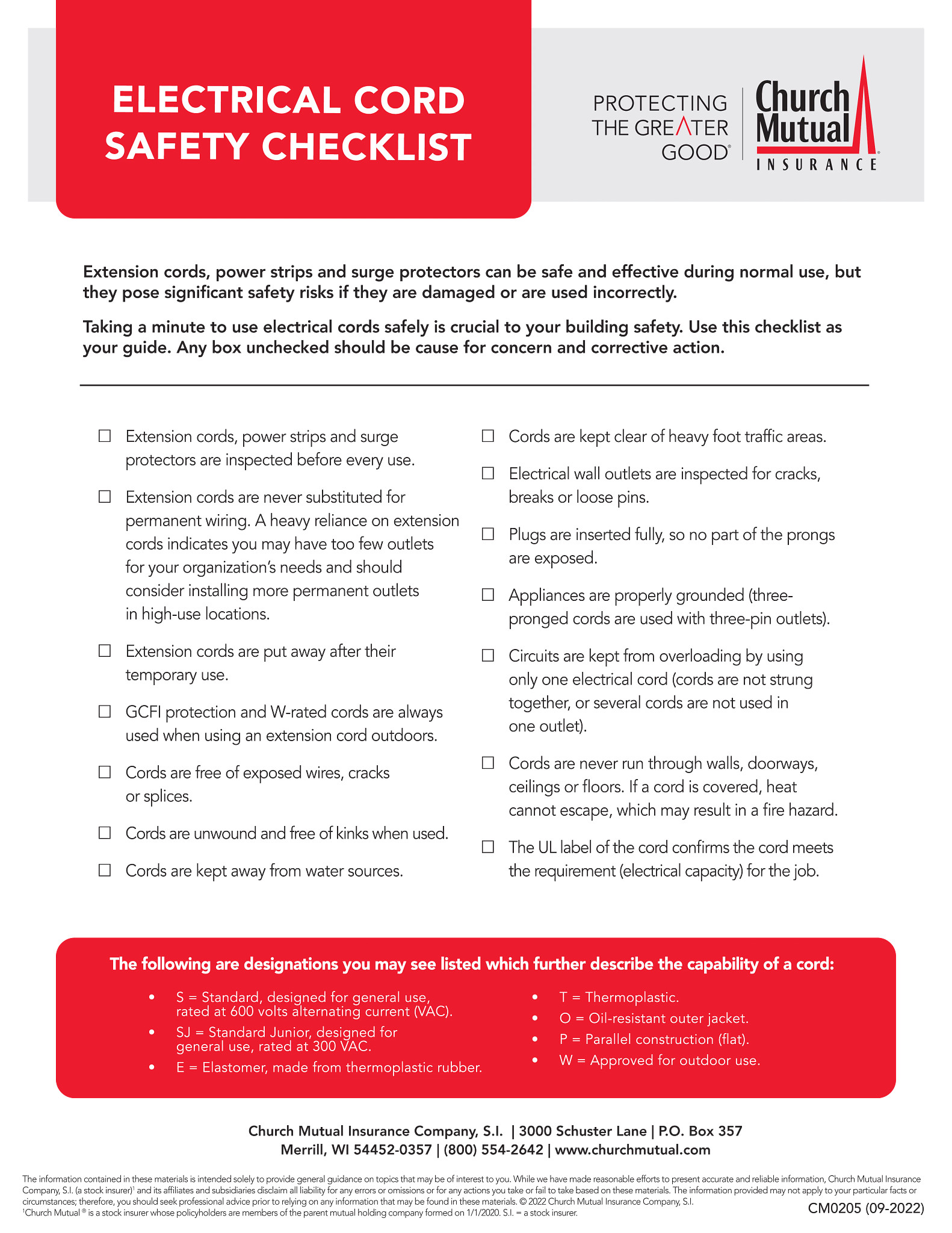
Equipment openings, exposed fasteners and clothing drawstrings can create entrapment or entanglement risks. Regular inspections can help identify and address these hazards before an incident occurs.
Effective supervision remains one of the most important elements of playground safety. Staff and volunteers should understand their responsibilities and maintain clear sightlines to playground areas whenever children are present. Both resources emphasize supervision and staff preparedness as critical safety measures.
Drainage issues, nearby water features, wooded areas, drop-offs and weather-related conditions can present additional risks. Identifying and mitigating environmental hazards can help create a safer play environment.
The Playground Safety Toolkit is designed for organizations that operate or oversee playgrounds, including:
Whether you’re evaluating an existing playground or developing a stronger safety program, these resources can help support your efforts.
A playground safety assessment is a structured evaluation of playground conditions, supervision practices, maintenance procedures and organizational safety protocols. The goal is to identify hazards, measure preparedness and prioritize improvements.
Organizations should establish routine inspection and maintenance procedures and inspect playgrounds before use when appropriate. The assessment and safety essentials resources both emphasize regular inspections and timely repairs.
Common hazards include falls, inadequate surfacing, broken equipment, entrapment and entanglement risks, poor supervision, environmental hazards and insufficient maintenance practices.
Proper supervision helps identify unsafe behaviors, respond to hazards quickly and reduce the likelihood of injuries. Organizations should ensure supervisors are trained and can maintain clear lines of sight throughout playground areas.
Creating a safer playground requires more than quality equipment. It involves ongoing inspections, proactive maintenance, effective supervision and a commitment to continuous improvement.
Use the resources in our Playground Safety Toolkit to assess your current practices, identify potential risks and take meaningful steps toward building a safer play environment for the children and families you serve.


Playgrounds provide children with opportunities to learn, grow, socialize and stay active. Whether your organization operates a school, childcare center, camp, community center or place of worship, playground safety should be an essential part of your risk management efforts. Even a well-designed playground can present hazards if equipment is not properly maintained, supervision is inconsistent or safety standards are overlooked.
Falls remain one of the most common causes of playground injuries, while hazards such as entanglement, entrapment and equipment failure can lead to serious incidents. Regular inspections, staff training, preventive maintenance and clear safety procedures can help reduce risks and create a safer environment for everyone who uses your playground.
Our Playground Safety Toolkit brings together practical resources, assessments and guidance designed to help organizations evaluate playground risks, strengthen safety practices and support injury prevention efforts.
Playgrounds should be places where children can explore, learn and play with confidence. However, unsafe equipment, deteriorating surfacing, inadequate supervision or overlooked hazards can increase the potential for injuries.
Organizations that regularly evaluate playground conditions and implement documented safety practices are better positioned to:
This collection of resources works together to help organizations assess playground safety practices, identify potential hazards and strengthen efforts to create safer play environments for children.
Gain a better understanding of the key factors that contribute to a safer playground with guidance focused on 10 essential areas of playground safety, including:
These safety essentials can help organizations identify common risk factors and implement practical measures to reduce the likelihood of injuries.
Use this self-assessment to help evaluate current playground safety practices, identify opportunities for improvement and review key components of a strong playground safety program, including:
The results can help guide conversations, prioritize next steps and support ongoing efforts to create safer play environments for children.
Falls are among the most common causes of playground injuries. Appropriate impact-absorbing surfacing and proper maintenance of those materials can help reduce injury severity. The playground safety essentials resource emphasizes following surfacing guidelines and maintaining appropriate material depth around equipment.
Damaged equipment, exposed hardware, sharp edges, broken components and deteriorating materials can create injury risks. Routine inspections and manufacturer-approved repairs can help ensure playground equipment remains safe for use.
Equipment openings, exposed fasteners and clothing drawstrings can create entrapment or entanglement risks. Regular inspections can help identify and address these hazards before an incident occurs.
Effective supervision remains one of the most important elements of playground safety. Staff and volunteers should understand their responsibilities and maintain clear sightlines to playground areas whenever children are present. Both resources emphasize supervision and staff preparedness as critical safety measures.
Drainage issues, nearby water features, wooded areas, drop-offs and weather-related conditions can present additional risks. Identifying and mitigating environmental hazards can help create a safer play environment.
The Playground Safety Toolkit is designed for organizations that operate or oversee playgrounds, including:
Whether you’re evaluating an existing playground or developing a stronger safety program, these resources can help support your efforts.
A playground safety assessment is a structured evaluation of playground conditions, supervision practices, maintenance procedures and organizational safety protocols. The goal is to identify hazards, measure preparedness and prioritize improvements.
Organizations should establish routine inspection and maintenance procedures and inspect playgrounds before use when appropriate. The assessment and safety essentials resources both emphasize regular inspections and timely repairs.
Common hazards include falls, inadequate surfacing, broken equipment, entrapment and entanglement risks, poor supervision, environmental hazards and insufficient maintenance practices.
Proper supervision helps identify unsafe behaviors, respond to hazards quickly and reduce the likelihood of injuries. Organizations should ensure supervisors are trained and can maintain clear lines of sight throughout playground areas.
Creating a safer playground requires more than quality equipment. It involves ongoing inspections, proactive maintenance, effective supervision and a commitment to continuous improvement.
Use the resources in our Playground Safety Toolkit to assess your current practices, identify potential risks and take meaningful steps toward building a safer play environment for the children and families you serve.
Playgrounds provide children with opportunities to learn, grow, socialize and stay active. Whether your organization operates a school, childcare center, camp, community center or place of worship, playground safety should be an essential part of your risk management efforts. Even a well-designed playground can present hazards if equipment is not properly maintained, supervision is inconsistent or safety standards are overlooked.
Falls remain one of the most common causes of playground injuries, while hazards such as entanglement, entrapment and equipment failure can lead to serious incidents. Regular inspections, staff training, preventive maintenance and clear safety procedures can help reduce risks and create a safer environment for everyone who uses your playground.
Our Playground Safety Toolkit brings together practical resources, assessments and guidance designed to help organizations evaluate playground risks, strengthen safety practices and support injury prevention efforts.
Playgrounds provide children with opportunities to learn, grow, socialize and stay active. Whether your organization operates a school, childcare center, camp, community center or place of worship, playground safety should be an essential part of your risk management efforts. Even a well-designed playground can present hazards if equipment is not properly maintained, supervision is inconsistent or safety standards are overlooked.
Falls remain one of the most common causes of playground injuries, while hazards such as entanglement, entrapment and equipment failure can lead to serious incidents. Regular inspections, staff training, preventive maintenance and clear safety procedures can help reduce risks and create a safer environment for everyone who uses your playground.
Our Playground Safety Toolkit brings together practical resources, assessments and guidance designed to help organizations evaluate playground risks, strengthen safety practices and support injury prevention efforts.
Playgrounds should be places where children can explore, learn and play with confidence. However, unsafe equipment, deteriorating surfacing, inadequate supervision or overlooked hazards can increase the potential for injuries.
Organizations that regularly evaluate playground conditions and implement documented safety practices are better positioned to:
This collection of resources works together to help organizations assess playground safety practices, identify potential hazards and strengthen efforts to create safer play environments for children.
Gain a better understanding of the key factors that contribute to a safer playground with guidance focused on 10 essential areas of playground safety, including:
These safety essentials can help organizations identify common risk factors and implement practical measures to reduce the likelihood of injuries.
Use this self-assessment to help evaluate current playground safety practices, identify opportunities for improvement and review key components of a strong playground safety program, including:
The results can help guide conversations, prioritize next steps and support ongoing efforts to create safer play environments for children.
Falls are among the most common causes of playground injuries. Appropriate impact-absorbing surfacing and proper maintenance of those materials can help reduce injury severity. The playground safety essentials resource emphasizes following surfacing guidelines and maintaining appropriate material depth around equipment.
Damaged equipment, exposed hardware, sharp edges, broken components and deteriorating materials can create injury risks. Routine inspections and manufacturer-approved repairs can help ensure playground equipment remains safe for use.
Equipment openings, exposed fasteners and clothing drawstrings can create entrapment or entanglement risks. Regular inspections can help identify and address these hazards before an incident occurs.
Effective supervision remains one of the most important elements of playground safety. Staff and volunteers should understand their responsibilities and maintain clear sightlines to playground areas whenever children are present. Both resources emphasize supervision and staff preparedness as critical safety measures.
Drainage issues, nearby water features, wooded areas, drop-offs and weather-related conditions can present additional risks. Identifying and mitigating environmental hazards can help create a safer play environment.
The Playground Safety Toolkit is designed for organizations that operate or oversee playgrounds, including:
Whether you’re evaluating an existing playground or developing a stronger safety program, these resources can help support your efforts.
A playground safety assessment is a structured evaluation of playground conditions, supervision practices, maintenance procedures and organizational safety protocols. The goal is to identify hazards, measure preparedness and prioritize improvements.
Organizations should establish routine inspection and maintenance procedures and inspect playgrounds before use when appropriate. The assessment and safety essentials resources both emphasize regular inspections and timely repairs.
Common hazards include falls, inadequate surfacing, broken equipment, entrapment and entanglement risks, poor supervision, environmental hazards and insufficient maintenance practices.
Proper supervision helps identify unsafe behaviors, respond to hazards quickly and reduce the likelihood of injuries. Organizations should ensure supervisors are trained and can maintain clear lines of sight throughout playground areas.
Creating a safer playground requires more than quality equipment. It involves ongoing inspections, proactive maintenance, effective supervision and a commitment to continuous improvement.
Use the resources in our Playground Safety Toolkit to assess your current practices, identify potential risks and take meaningful steps toward building a safer play environment for the children and families you serve.