Hurricane Isaias:
If you were impacted by the storm, here's
key recovery considerations for the days and weeks ahead

The Injury and Illness Prevention Toolkit is designed for mission‑driven organizations of all sizes, including:
Whether your organization has a formal safety program in place or is just beginning to address injury and illness risks, the toolkit offers flexible resources that can be adapted to your operations, facilities and staffing model.
Injuries and illnesses affect more than just the individual involved. They can lead to:
Proactive prevention efforts help organizations:
Prevention is most effective when it’s ongoing, visible and supported by leadership.
The Injury and Illness Prevention Toolkit includes practical resources that help organizations identify common risks, evaluate current practices and take meaningful steps to reduce injuries and illnesses. The tools are designed to work together as part of an ongoing prevention approach.
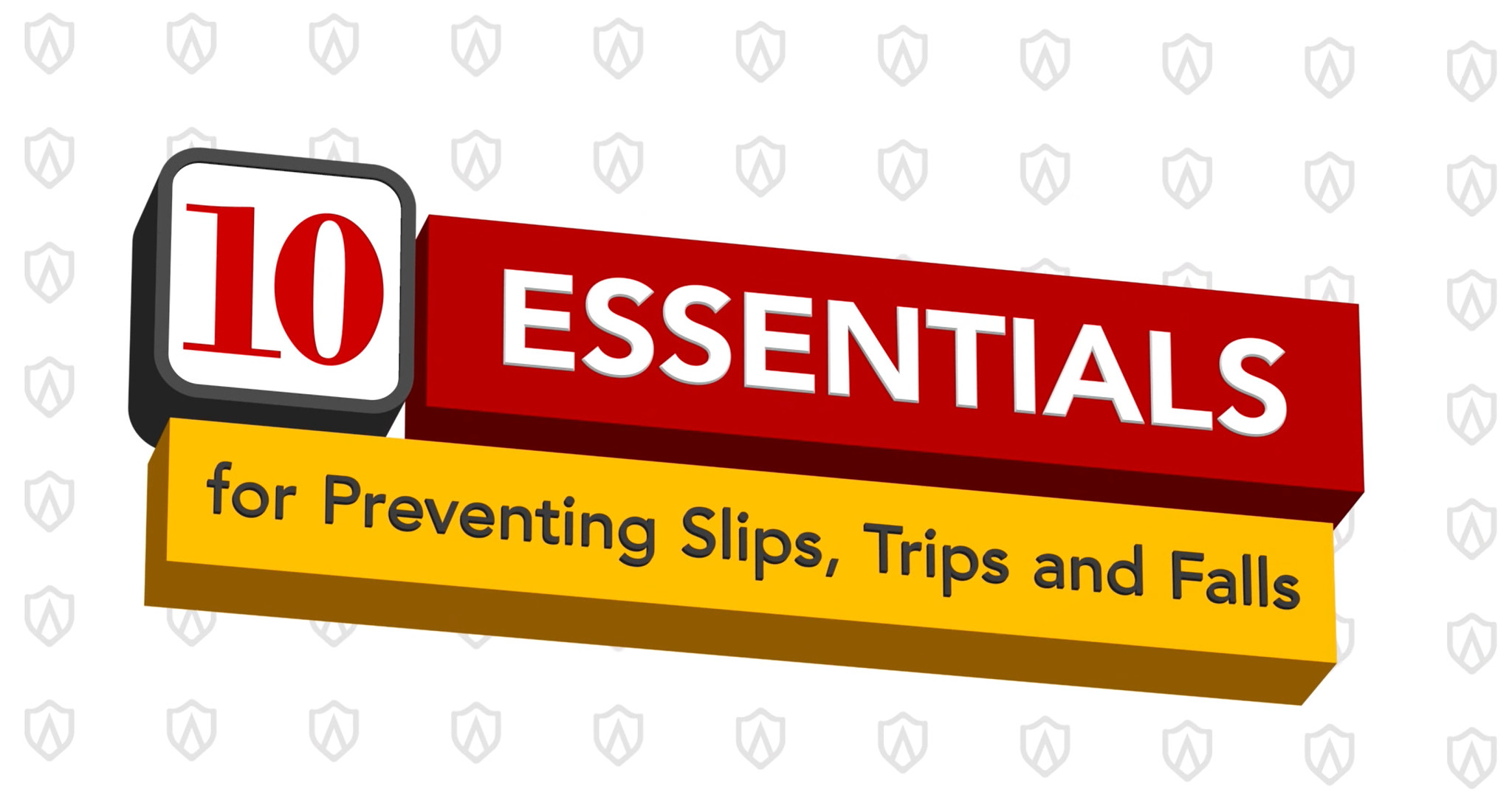
This foundational resource outlines 10 core areas organizations should address to support safer environments for employees, volunteers and participants. The essentials provide guidance to help organizations:
The 10 essentials offer a practical framework for building or strengthening injury and illness prevention efforts.
The assessment helps organizations evaluate their current injury and illness prevention practices through a series of focused questions. It is designed to help organizations:
The assessment supports thoughtful review and planning and can be revisited as programs, facilities or staffing change.
Organizations may use the toolkit to:
The toolkit is flexible and can be used incrementally — whether your organization is addressing a specific concern or building a broader prevention program.
Injury and illness prevention is not a one‑time initiative. As facilities, programs and staffing evolve, risks can change. Regular review, communication and training help organizations adapt and maintain safer environments over time.
When combined with thoughtful prevention practices, workers’ compensation and liability coverage can play a supporting role in helping organizations respond and recover when incidents occur.
No. The toolkit is relevant for organizations with employees, volunteers or program participants and can be adapted to different staffing and operational structures.
No. The toolkit is designed to complement — not replace — required training, policies or regulatory obligations.
Prevention efforts should be reviewed regularly and updated when operations change, new hazards are identified or incidents occur.
By downloading the full toolkit, organizations can:
Clear, usable tools can help make injury and illness prevention more approachable — and more effective.


Workplace and program‑related injuries and illnesses can happen in any organization — from slips and falls to overexertion, equipment‑related incidents and exposure to health hazards. Without intentional prevention efforts, these incidents can disrupt operations, harm individuals and place long‑term strain on an organization’s resources.
The Injury and Illness Prevention Toolkit provides practical guidance and planning tools to help organizations identify common risks, strengthen safety practices and promote a safer environment for employees, volunteers and participants.
The Injury and Illness Prevention Toolkit is designed for mission‑driven organizations of all sizes, including:
Whether your organization has a formal safety program in place or is just beginning to address injury and illness risks, the toolkit offers flexible resources that can be adapted to your operations, facilities and staffing model.
Injuries and illnesses affect more than just the individual involved. They can lead to:
Proactive prevention efforts help organizations:
Prevention is most effective when it’s ongoing, visible and supported by leadership.
The Injury and Illness Prevention Toolkit includes practical resources that help organizations identify common risks, evaluate current practices and take meaningful steps to reduce injuries and illnesses. The tools are designed to work together as part of an ongoing prevention approach.
This foundational resource outlines 10 core areas organizations should address to support safer environments for employees, volunteers and participants. The essentials provide guidance to help organizations:
The 10 essentials offer a practical framework for building or strengthening injury and illness prevention efforts.
The assessment helps organizations evaluate their current injury and illness prevention practices through a series of focused questions. It is designed to help organizations:
The assessment supports thoughtful review and planning and can be revisited as programs, facilities or staffing change.
Organizations may use the toolkit to:
The toolkit is flexible and can be used incrementally — whether your organization is addressing a specific concern or building a broader prevention program.
Injury and illness prevention is not a one‑time initiative. As facilities, programs and staffing evolve, risks can change. Regular review, communication and training help organizations adapt and maintain safer environments over time.
When combined with thoughtful prevention practices, workers’ compensation and liability coverage can play a supporting role in helping organizations respond and recover when incidents occur.
No. The toolkit is relevant for organizations with employees, volunteers or program participants and can be adapted to different staffing and operational structures.
No. The toolkit is designed to complement — not replace — required training, policies or regulatory obligations.
Prevention efforts should be reviewed regularly and updated when operations change, new hazards are identified or incidents occur.
By downloading the full toolkit, organizations can:
Clear, usable tools can help make injury and illness prevention more approachable — and more effective.
Workplace and program‑related injuries and illnesses can happen in any organization — from slips and falls to overexertion, equipment‑related incidents and exposure to health hazards. Without intentional prevention efforts, these incidents can disrupt operations, harm individuals and place long‑term strain on an organization’s resources.
The Injury and Illness Prevention Toolkit provides practical guidance and planning tools to help organizations identify common risks, strengthen safety practices and promote a safer environment for employees, volunteers and participants.
Workplace and program‑related injuries and illnesses can happen in any organization — from slips and falls to overexertion, equipment‑related incidents and exposure to health hazards. Without intentional prevention efforts, these incidents can disrupt operations, harm individuals and place long‑term strain on an organization’s resources.
The Injury and Illness Prevention Toolkit provides practical guidance and planning tools to help organizations identify common risks, strengthen safety practices and promote a safer environment for employees, volunteers and participants.
The Injury and Illness Prevention Toolkit is designed for mission‑driven organizations of all sizes, including:
Whether your organization has a formal safety program in place or is just beginning to address injury and illness risks, the toolkit offers flexible resources that can be adapted to your operations, facilities and staffing model.
Injuries and illnesses affect more than just the individual involved. They can lead to:
Proactive prevention efforts help organizations:
Prevention is most effective when it’s ongoing, visible and supported by leadership.
The Injury and Illness Prevention Toolkit includes practical resources that help organizations identify common risks, evaluate current practices and take meaningful steps to reduce injuries and illnesses. The tools are designed to work together as part of an ongoing prevention approach.
This foundational resource outlines 10 core areas organizations should address to support safer environments for employees, volunteers and participants. The essentials provide guidance to help organizations:
The 10 essentials offer a practical framework for building or strengthening injury and illness prevention efforts.
The assessment helps organizations evaluate their current injury and illness prevention practices through a series of focused questions. It is designed to help organizations:
The assessment supports thoughtful review and planning and can be revisited as programs, facilities or staffing change.
Organizations may use the toolkit to:
The toolkit is flexible and can be used incrementally — whether your organization is addressing a specific concern or building a broader prevention program.
Injury and illness prevention is not a one‑time initiative. As facilities, programs and staffing evolve, risks can change. Regular review, communication and training help organizations adapt and maintain safer environments over time.
When combined with thoughtful prevention practices, workers’ compensation and liability coverage can play a supporting role in helping organizations respond and recover when incidents occur.
No. The toolkit is relevant for organizations with employees, volunteers or program participants and can be adapted to different staffing and operational structures.
No. The toolkit is designed to complement — not replace — required training, policies or regulatory obligations.
Prevention efforts should be reviewed regularly and updated when operations change, new hazards are identified or incidents occur.
By downloading the full toolkit, organizations can:
Clear, usable tools can help make injury and illness prevention more approachable — and more effective.


.jpg)