Hurricane Isaias:
If you were impacted by the storm, here's
key recovery considerations for the days and weeks ahead
One of your top priorities as an organization is to protect your people from injuries. Employees, volunteers, members, visitors and others who enter your facility should feel confident that you are focusing on injury prevention strategies. This guide will show you some of the most common ways in which people could become injured or ill in your building or on your property, and how you can change your practices to protect them.
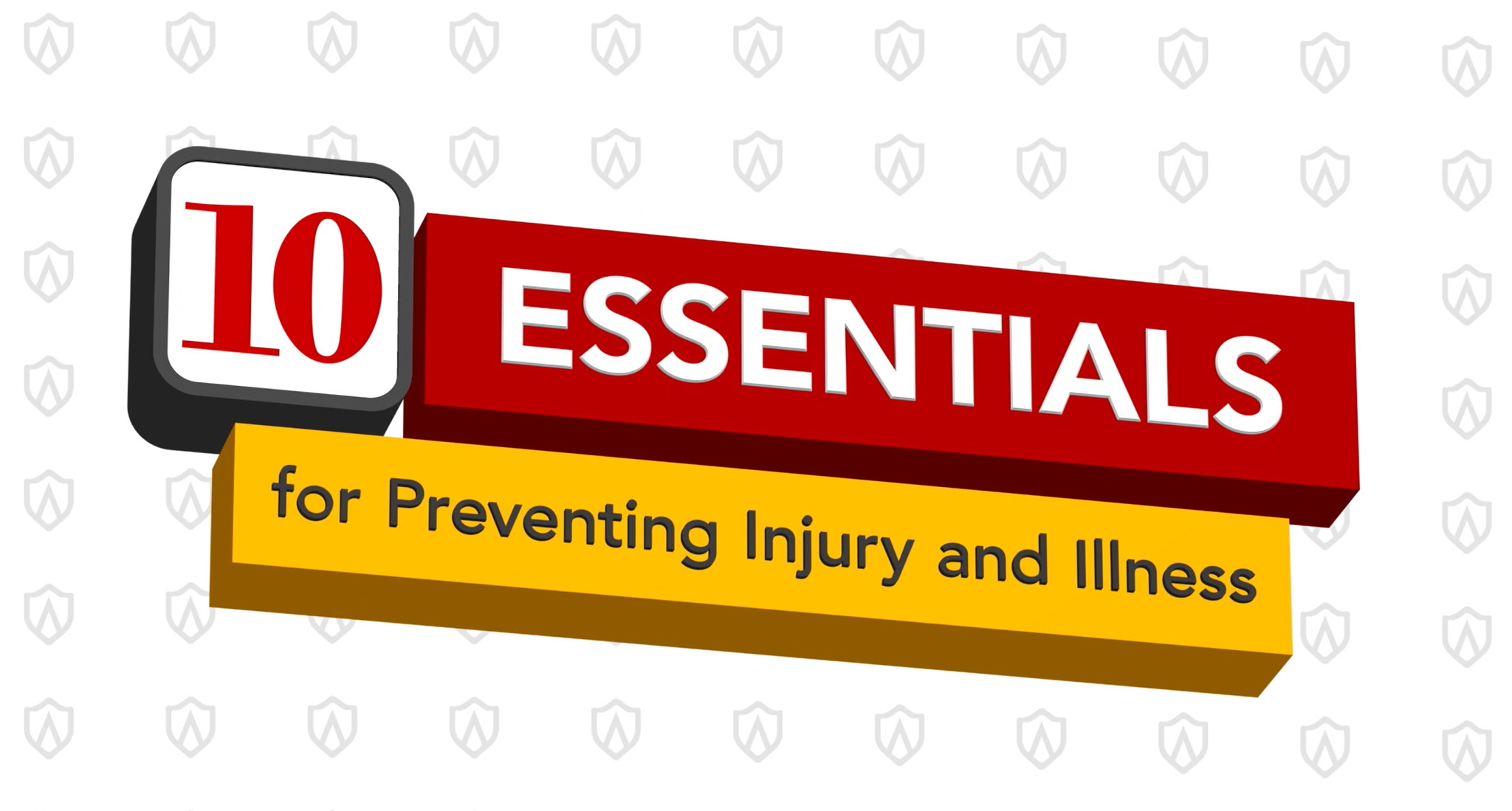
At Church Mutual, our risk management specialists work with customers to help you minimize your risk of needing to submit a claim. We have developed “10 Essentials” lists for a wide variety of topics, including injury prevention strategies. The 10 Essentials for Preventing Injury and Illness are as follows:
Every year, Church Mutual customers report more than 4,000 injuries to their employees.
Past claims can provide insight into key safety issues to help prevent similar injuries.
You can also add important safety features to your buildings that will contribute to your injury prevention strategies, including:
The Occupational Safety and Health Administration (OSHA) offers important information for employees of all types and sizes on how you can keep your employees safe. Here, we highlight some of its most important guidelines:
Slips, trips and falls are among the most common ways people can injure themselves in a building. There are many fall safety measures you can take that will go a long way toward preventing slips, trips and falls.
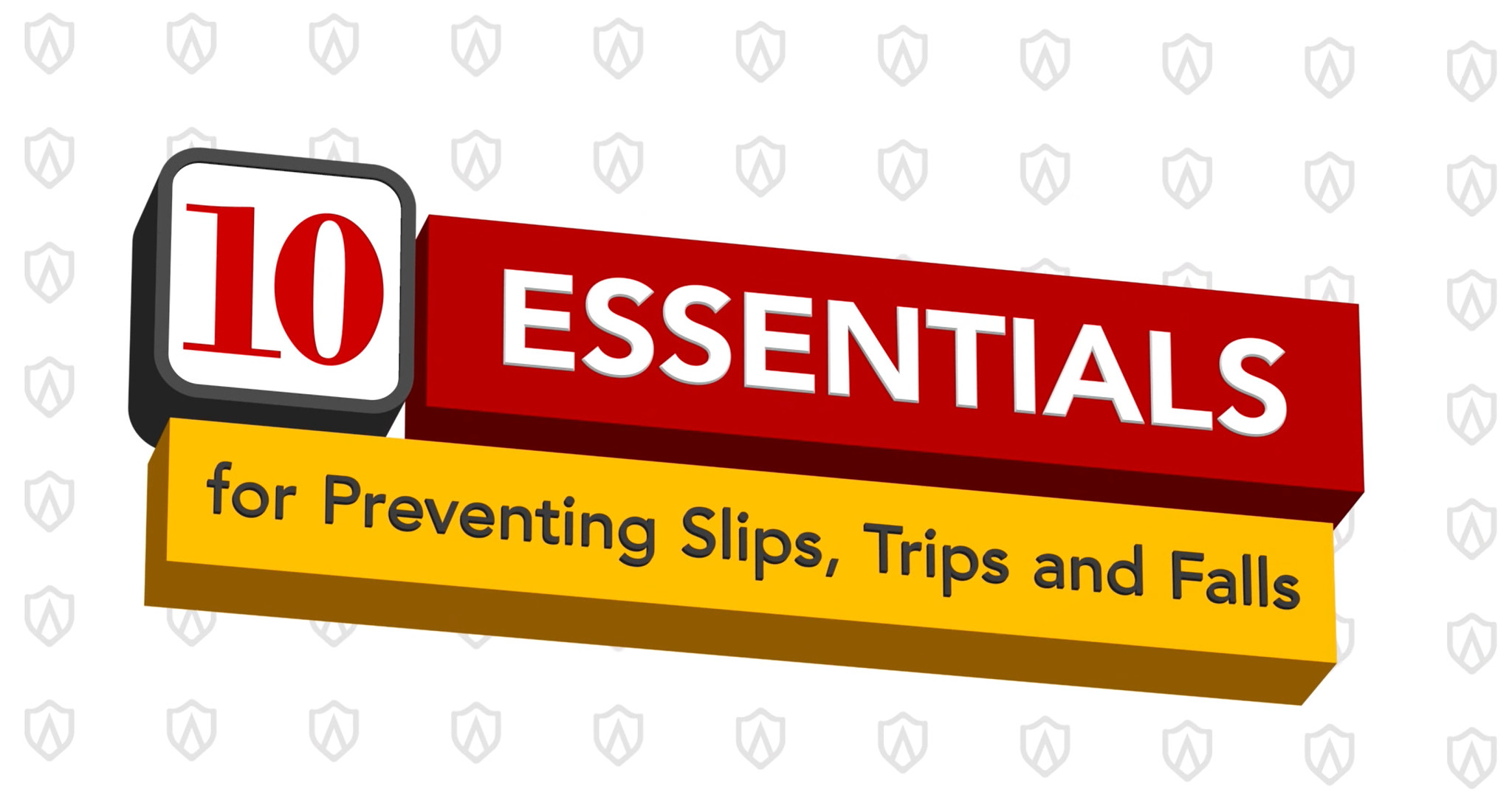
The 10 Essentials for Slip, Trip and Fall Prevention include:
You should also work to create safe entryways for all those who enter and leave your facility.
People are much more likely to experience falls during the winter and other inclement weather than they are when it’s mild and the sun is shining. The following are environmental safety tips to prevent slips on ice and snow:
Despite all your best efforts, however, accidents do happen. And when they do, you need to make sure you have the right tools on your property to give people the quick treatment they need. Those tools include:
The Centers for Disease Control and Prevention (CDC) defines a concussion as a form of traumatic brain injury (TBI) “caused by a bump, blow, or jolt to the head leading to an interruption of normal brain function”. A TBI can range in severity from “mild” to “severe”, depending on how the person is affected by the injury. Repeated concussions, or a lack of treatment, can cause serious problems such as permanent damage or even death.
If you run a camp, sports organization or other entity that involves risk of head injury, every staff member should know the signs of a concussion. Those include:
When you promptly respond to a suspected concussion, that can mean the difference between a relatively minor injury and long-term damage or death. Plan ahead so you are prepared to act appropriately following a head injury.
When children are injured:
When adults are injured:
Church Mutual helps a wide range of different industries with emergency response planning, including:
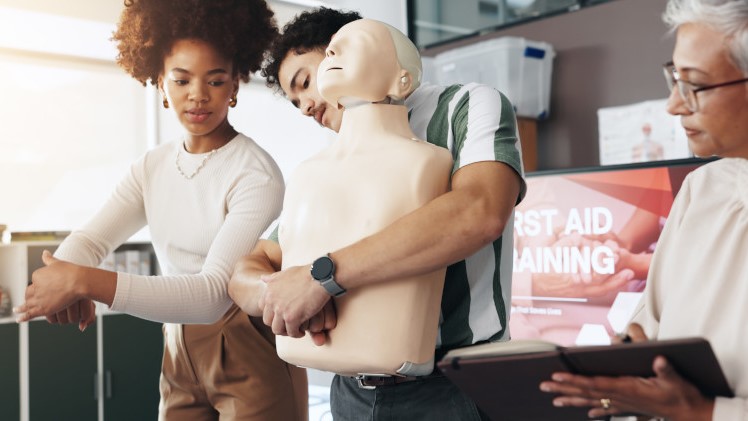
No matter what kind of organization you run, it’s important to create an emergency response team. Even the smallest organization should establish a chain of command and specific people who will handle a medical emergency. Emergency response team members should have knowledge about bloodborne pathogens, hazardous materials and chemical spill protocols. They should also know how to use fire extinguishers and medical devices such as an automated external defibrillator (AED), and the contents of your organization’s first aid kit. Your first step in a medical emergency is to call 911, but your emergency response team will be able to help the victim during those precious minutes when you’re waiting for the ambulance.
Medication management is a common thread among camps. Church Mutual understands your ongoing commitment to meet the needs of your campers who require medication, while also complying with state regulations. It is important to be aware of, and understand, the laws surrounding this topic.
Which person has the authority to administer and provide medication can vary by state. Medication management decisions are influenced by pharmacy regulations, health care providers, and the Nurse Practice Act. Usually, a physician is the only one who can determine what medication needs to be used and under what circumstances.
Again, because these regulations can vary by state, you should consult with your local legal counsel to determine what statutes are in place, the administrative agency laws, and rules of the medical licensing boards. This well help you to determine the specifics on who at your camp can administer medications, and under what circumstances.
Whether it’s hot or cold outside, the weather can pose risk of injury or illness to people in your organization. Here, Church Mutual offers tips on how to manage seasonal health risks in all types of weather.
Heat illness occurs when a person’s body temperature rises to an unsafe level. To protect your staff members, volunteers, members and others who participate in outdoor activities on your property, instruct them to:
As the weather becomes colder, there are a number of different safety concerns that may affect the people in your organization. They include:
According to the Centers for Disease Control and Prevention, about 36,000 Americans die from the flu every year. To prevent the flu, you should:
Public health experts call carbon monoxide (CO) the “silent killer” because a person could lose consciousness without even realizing they have been exposed to it. The danger of CO poisoning increases exponentially during the winter—nearly half of all carbon monoxide deaths occur in January, February and March.
You should learn to watch for signs of a CO problem:
According to the Consumer Product Safety Commission, about 160 decorating-related injuries occur each day during the holiday season. To avoid holiday decorating risks:
Fun wagon rides can quickly turn dangerous. To avoid injuries:
It’s important for your organization to protect people who have allergies. This includes both creating a safe atmosphere for them, and putting an emergency response plan in place should someone experience an allergic reaction.
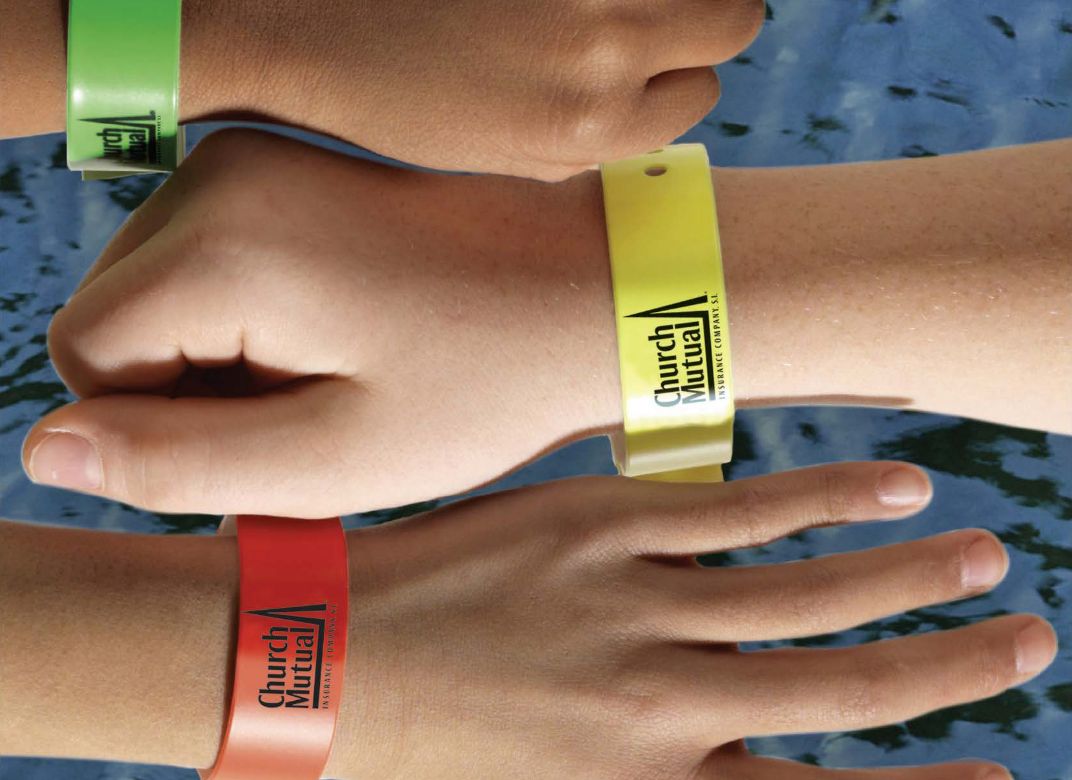
Church Mutual’s allergy bands are a life-saving tool available to our customers only at no cost. Available wristbands include:
Environmental safety involves making sure every aspect of an environment is safe for any person who happens to be in that environment. That includes appropriate use of cleaners, food safety, and preventing lead in schools.
Organizations are using more chemical cleaners and disinfectants than ever before. To help reduce your organization’s risk of chemical burns, follow these guidelines:
The Centers for Disease Control and Prevention (CDC) estimates that each year, roughly one in six Americans gets sick from foodborne illnesses. Here’s how you can keep people in your organization from falling prey to food poisoning and other issues:
Should a disaster such as a fire destroy your organization’s dining hall, make sure you have a plan for how to handle feeding, food storage and other issues.
The discovery of lead contamination in certain areas of the country has raised national awareness of potential contaminants in drinking water. There is no safe level of lead, which can permanently damage children’s brains. Church Mutual risk management experts recommend following Environmental Protection Agency (EPA) guidelines in checking several areas—not just water lines/sources—for potential lead exposure:
Whether you run a camp, a house of worship, a school or a nonprofit organization, chances are your people will be spending some time outside. The outdoors is full of potential risks, which means you should be planning how you will handle any issue that comes up.
Those risks include:
In the water, tragedy can strike in the blink of an eye. Drowning and spinal injuries happen every day in swimming pools, oceans, lakes, rivers and streams. Regardless of the type of aquatic environment your organization offers, incidents of this nature can be traumatic and costly.
It’s important to prioritize key operational areas, ensure the overall maintenance and condition of your aquatic facility and environment, take steps to prevent swimming-related illnesses and, most importantly, have appropriately trained and certified staff supervising all aquatic activities, play structures and catapults. This will help protect your participants and set them up for a safe and enjoyable swimming experience every time.
Church Mutual offers a Swimmer Safety Program with swimmer bands, which allow supervisors to easily determine which swimmers are safe to be in deeper water.
Please contact Church Mutual to request a personalized quote for insurance.


One of your top priorities as an organization is to protect your people from injuries. Employees, volunteers, members, visitors and others who enter your facility should feel confident that you are focusing on injury prevention strategies. This guide will show you some of the most common ways in which people could become injured or ill in your building or on your property, and how you can change your practices to protect them.
At Church Mutual, our risk management specialists work with customers to help you minimize your risk of needing to submit a claim. We have developed “10 Essentials” lists for a wide variety of topics, including injury prevention strategies. The 10 Essentials for Preventing Injury and Illness are as follows:
Every year, Church Mutual customers report more than 4,000 injuries to their employees.
Past claims can provide insight into key safety issues to help prevent similar injuries.
You can also add important safety features to your buildings that will contribute to your injury prevention strategies, including:
The Occupational Safety and Health Administration (OSHA) offers important information for employees of all types and sizes on how you can keep your employees safe. Here, we highlight some of its most important guidelines:
Slips, trips and falls are among the most common ways people can injure themselves in a building. There are many fall safety measures you can take that will go a long way toward preventing slips, trips and falls.
The 10 Essentials for Slip, Trip and Fall Prevention include:
You should also work to create safe entryways for all those who enter and leave your facility.
People are much more likely to experience falls during the winter and other inclement weather than they are when it’s mild and the sun is shining. The following are environmental safety tips to prevent slips on ice and snow:
Despite all your best efforts, however, accidents do happen. And when they do, you need to make sure you have the right tools on your property to give people the quick treatment they need. Those tools include:
The Centers for Disease Control and Prevention (CDC) defines a concussion as a form of traumatic brain injury (TBI) “caused by a bump, blow, or jolt to the head leading to an interruption of normal brain function”. A TBI can range in severity from “mild” to “severe”, depending on how the person is affected by the injury. Repeated concussions, or a lack of treatment, can cause serious problems such as permanent damage or even death.
If you run a camp, sports organization or other entity that involves risk of head injury, every staff member should know the signs of a concussion. Those include:
When you promptly respond to a suspected concussion, that can mean the difference between a relatively minor injury and long-term damage or death. Plan ahead so you are prepared to act appropriately following a head injury.
When children are injured:
When adults are injured:
Church Mutual helps a wide range of different industries with emergency response planning, including:
No matter what kind of organization you run, it’s important to create an emergency response team. Even the smallest organization should establish a chain of command and specific people who will handle a medical emergency. Emergency response team members should have knowledge about bloodborne pathogens, hazardous materials and chemical spill protocols. They should also know how to use fire extinguishers and medical devices such as an automated external defibrillator (AED), and the contents of your organization’s first aid kit. Your first step in a medical emergency is to call 911, but your emergency response team will be able to help the victim during those precious minutes when you’re waiting for the ambulance.
Medication management is a common thread among camps. Church Mutual understands your ongoing commitment to meet the needs of your campers who require medication, while also complying with state regulations. It is important to be aware of, and understand, the laws surrounding this topic.
Which person has the authority to administer and provide medication can vary by state. Medication management decisions are influenced by pharmacy regulations, health care providers, and the Nurse Practice Act. Usually, a physician is the only one who can determine what medication needs to be used and under what circumstances.
Again, because these regulations can vary by state, you should consult with your local legal counsel to determine what statutes are in place, the administrative agency laws, and rules of the medical licensing boards. This well help you to determine the specifics on who at your camp can administer medications, and under what circumstances.
Whether it’s hot or cold outside, the weather can pose risk of injury or illness to people in your organization. Here, Church Mutual offers tips on how to manage seasonal health risks in all types of weather.
Heat illness occurs when a person’s body temperature rises to an unsafe level. To protect your staff members, volunteers, members and others who participate in outdoor activities on your property, instruct them to:
As the weather becomes colder, there are a number of different safety concerns that may affect the people in your organization. They include:
According to the Centers for Disease Control and Prevention, about 36,000 Americans die from the flu every year. To prevent the flu, you should:
Public health experts call carbon monoxide (CO) the “silent killer” because a person could lose consciousness without even realizing they have been exposed to it. The danger of CO poisoning increases exponentially during the winter—nearly half of all carbon monoxide deaths occur in January, February and March.
You should learn to watch for signs of a CO problem:
According to the Consumer Product Safety Commission, about 160 decorating-related injuries occur each day during the holiday season. To avoid holiday decorating risks:
Fun wagon rides can quickly turn dangerous. To avoid injuries:
It’s important for your organization to protect people who have allergies. This includes both creating a safe atmosphere for them, and putting an emergency response plan in place should someone experience an allergic reaction.
Church Mutual’s allergy bands are a life-saving tool available to our customers only at no cost. Available wristbands include:
Environmental safety involves making sure every aspect of an environment is safe for any person who happens to be in that environment. That includes appropriate use of cleaners, food safety, and preventing lead in schools.
Organizations are using more chemical cleaners and disinfectants than ever before. To help reduce your organization’s risk of chemical burns, follow these guidelines:
The Centers for Disease Control and Prevention (CDC) estimates that each year, roughly one in six Americans gets sick from foodborne illnesses. Here’s how you can keep people in your organization from falling prey to food poisoning and other issues:
Should a disaster such as a fire destroy your organization’s dining hall, make sure you have a plan for how to handle feeding, food storage and other issues.
The discovery of lead contamination in certain areas of the country has raised national awareness of potential contaminants in drinking water. There is no safe level of lead, which can permanently damage children’s brains. Church Mutual risk management experts recommend following Environmental Protection Agency (EPA) guidelines in checking several areas—not just water lines/sources—for potential lead exposure:
Whether you run a camp, a house of worship, a school or a nonprofit organization, chances are your people will be spending some time outside. The outdoors is full of potential risks, which means you should be planning how you will handle any issue that comes up.
Those risks include:
In the water, tragedy can strike in the blink of an eye. Drowning and spinal injuries happen every day in swimming pools, oceans, lakes, rivers and streams. Regardless of the type of aquatic environment your organization offers, incidents of this nature can be traumatic and costly.
It’s important to prioritize key operational areas, ensure the overall maintenance and condition of your aquatic facility and environment, take steps to prevent swimming-related illnesses and, most importantly, have appropriately trained and certified staff supervising all aquatic activities, play structures and catapults. This will help protect your participants and set them up for a safe and enjoyable swimming experience every time.
Church Mutual offers a Swimmer Safety Program with swimmer bands, which allow supervisors to easily determine which swimmers are safe to be in deeper water.
Please contact Church Mutual to request a personalized quote for insurance.
One of your top priorities as an organization is to protect your people from injuries. Employees, volunteers, members, visitors and others who enter your facility should feel confident that you are focusing on injury prevention strategies. This guide will show you some of the most common ways in which people could become injured or ill in your building or on your property, and how you can change your practices to protect them.
At Church Mutual, our risk management specialists work with customers to help you minimize your risk of needing to submit a claim. We have developed “10 Essentials” lists for a wide variety of topics, including injury prevention strategies. The 10 Essentials for Preventing Injury and Illness are as follows:
Every year, Church Mutual customers report more than 4,000 injuries to their employees.
Past claims can provide insight into key safety issues to help prevent similar injuries.
You can also add important safety features to your buildings that will contribute to your injury prevention strategies, including:
The Occupational Safety and Health Administration (OSHA) offers important information for employees of all types and sizes on how you can keep your employees safe. Here, we highlight some of its most important guidelines:
Slips, trips and falls are among the most common ways people can injure themselves in a building. There are many fall safety measures you can take that will go a long way toward preventing slips, trips and falls.
The 10 Essentials for Slip, Trip and Fall Prevention include:
You should also work to create safe entryways for all those who enter and leave your facility.
People are much more likely to experience falls during the winter and other inclement weather than they are when it’s mild and the sun is shining. The following are environmental safety tips to prevent slips on ice and snow:
Despite all your best efforts, however, accidents do happen. And when they do, you need to make sure you have the right tools on your property to give people the quick treatment they need. Those tools include:
The Centers for Disease Control and Prevention (CDC) defines a concussion as a form of traumatic brain injury (TBI) “caused by a bump, blow, or jolt to the head leading to an interruption of normal brain function”. A TBI can range in severity from “mild” to “severe”, depending on how the person is affected by the injury. Repeated concussions, or a lack of treatment, can cause serious problems such as permanent damage or even death.
If you run a camp, sports organization or other entity that involves risk of head injury, every staff member should know the signs of a concussion. Those include:
When you promptly respond to a suspected concussion, that can mean the difference between a relatively minor injury and long-term damage or death. Plan ahead so you are prepared to act appropriately following a head injury.
When children are injured:
When adults are injured:
Church Mutual helps a wide range of different industries with emergency response planning, including:
No matter what kind of organization you run, it’s important to create an emergency response team. Even the smallest organization should establish a chain of command and specific people who will handle a medical emergency. Emergency response team members should have knowledge about bloodborne pathogens, hazardous materials and chemical spill protocols. They should also know how to use fire extinguishers and medical devices such as an automated external defibrillator (AED), and the contents of your organization’s first aid kit. Your first step in a medical emergency is to call 911, but your emergency response team will be able to help the victim during those precious minutes when you’re waiting for the ambulance.
Medication management is a common thread among camps. Church Mutual understands your ongoing commitment to meet the needs of your campers who require medication, while also complying with state regulations. It is important to be aware of, and understand, the laws surrounding this topic.
Which person has the authority to administer and provide medication can vary by state. Medication management decisions are influenced by pharmacy regulations, health care providers, and the Nurse Practice Act. Usually, a physician is the only one who can determine what medication needs to be used and under what circumstances.
Again, because these regulations can vary by state, you should consult with your local legal counsel to determine what statutes are in place, the administrative agency laws, and rules of the medical licensing boards. This well help you to determine the specifics on who at your camp can administer medications, and under what circumstances.
Whether it’s hot or cold outside, the weather can pose risk of injury or illness to people in your organization. Here, Church Mutual offers tips on how to manage seasonal health risks in all types of weather.
Heat illness occurs when a person’s body temperature rises to an unsafe level. To protect your staff members, volunteers, members and others who participate in outdoor activities on your property, instruct them to:
As the weather becomes colder, there are a number of different safety concerns that may affect the people in your organization. They include:
According to the Centers for Disease Control and Prevention, about 36,000 Americans die from the flu every year. To prevent the flu, you should:
Public health experts call carbon monoxide (CO) the “silent killer” because a person could lose consciousness without even realizing they have been exposed to it. The danger of CO poisoning increases exponentially during the winter—nearly half of all carbon monoxide deaths occur in January, February and March.
You should learn to watch for signs of a CO problem:
According to the Consumer Product Safety Commission, about 160 decorating-related injuries occur each day during the holiday season. To avoid holiday decorating risks:
Fun wagon rides can quickly turn dangerous. To avoid injuries:
It’s important for your organization to protect people who have allergies. This includes both creating a safe atmosphere for them, and putting an emergency response plan in place should someone experience an allergic reaction.
Church Mutual’s allergy bands are a life-saving tool available to our customers only at no cost. Available wristbands include:
Environmental safety involves making sure every aspect of an environment is safe for any person who happens to be in that environment. That includes appropriate use of cleaners, food safety, and preventing lead in schools.
Organizations are using more chemical cleaners and disinfectants than ever before. To help reduce your organization’s risk of chemical burns, follow these guidelines:
The Centers for Disease Control and Prevention (CDC) estimates that each year, roughly one in six Americans gets sick from foodborne illnesses. Here’s how you can keep people in your organization from falling prey to food poisoning and other issues:
Should a disaster such as a fire destroy your organization’s dining hall, make sure you have a plan for how to handle feeding, food storage and other issues.
The discovery of lead contamination in certain areas of the country has raised national awareness of potential contaminants in drinking water. There is no safe level of lead, which can permanently damage children’s brains. Church Mutual risk management experts recommend following Environmental Protection Agency (EPA) guidelines in checking several areas—not just water lines/sources—for potential lead exposure:
Whether you run a camp, a house of worship, a school or a nonprofit organization, chances are your people will be spending some time outside. The outdoors is full of potential risks, which means you should be planning how you will handle any issue that comes up.
Those risks include:
In the water, tragedy can strike in the blink of an eye. Drowning and spinal injuries happen every day in swimming pools, oceans, lakes, rivers and streams. Regardless of the type of aquatic environment your organization offers, incidents of this nature can be traumatic and costly.
It’s important to prioritize key operational areas, ensure the overall maintenance and condition of your aquatic facility and environment, take steps to prevent swimming-related illnesses and, most importantly, have appropriately trained and certified staff supervising all aquatic activities, play structures and catapults. This will help protect your participants and set them up for a safe and enjoyable swimming experience every time.
Church Mutual offers a Swimmer Safety Program with swimmer bands, which allow supervisors to easily determine which swimmers are safe to be in deeper water.
Please contact Church Mutual to request a personalized quote for insurance.