Hurricane Isaias:
If you were impacted by the storm, here's
key recovery considerations for the days and weeks ahead
Church Mutual Insurance
Insurance
By Industry
Houses of WorshipNonprofit & Human Services OrganizationsCamps, Sports & Outdoor RecreationEducation & Schools
By Coverage
Specialized CoverageProperty CoverageLiability CoverageWorkers’ Compensation
Resources
Risk Control
View AllChecklists & GuidesSafety ProductsVideos
Articles
View AllCamps, Sports, and Outdoor RecreationEducation and SchoolsHouses of WorshipNonprofit and Human Services
Partner Services
View AllNurse HotlineTelemedicineBackground Checks
Additional Resources
Customer CenterBroker CenterFAQs
Support
Get In Touch
ChatContact Options800-554-2642
Additional Support
Claims CenterPremium AuditPayment CenterFind Your Local RepBroker Center
About
Who We Are
Why Church MutualHistoryLeadershipTestimonialsCM CARES®Newsroom
Careers
Job OpeningsWorking HereCareer AreasDiversity & InclusionBenefitsEarly Career
pay a bill
Pay online:
Make A Payment
Visit our Payment Center for more info. We’ve upgraded our payment system. Read our FAQs for details.
File a Claim
Start Your Claim
Questions? Visit our Claims Center for more info.
Log In
Customer Accounts:
Customer Log In
CREATE ACCOUNT
Broker Accounts:
BROKER LOG IN
CREATE ACCOUNT
search
I’m looking for…
Questions? Check out our FAQs for more info.
Start a Quote
My organization is a
Thank you! Your submission has been received!
Oops! Something went wrong while submitting the form.
Start a Quote
US flagChurch Mutual gives backUS flag
Articles
Camps Sports & Outdoor Recreation
Education & Schools
Houses of Worship
Nonprofit & Human Services Organizations
Injury & Illness Prevention
Fire Preparedness & Prevention
Staff & Volunteer Safety & Management
Articles
Camps Sports & Outdoor Recreation
Education & Schools
Houses of Worship
Nonprofit & Human Services Organizations
Injury & Illness Prevention
Fire Preparedness & Prevention
Staff & Volunteer Safety & Management
6/26/2025
Information

Brilliant displays, smart precautions: Fireworks safety for your next event

Brilliant displays, smart precautions: Fireworks safety for your next event

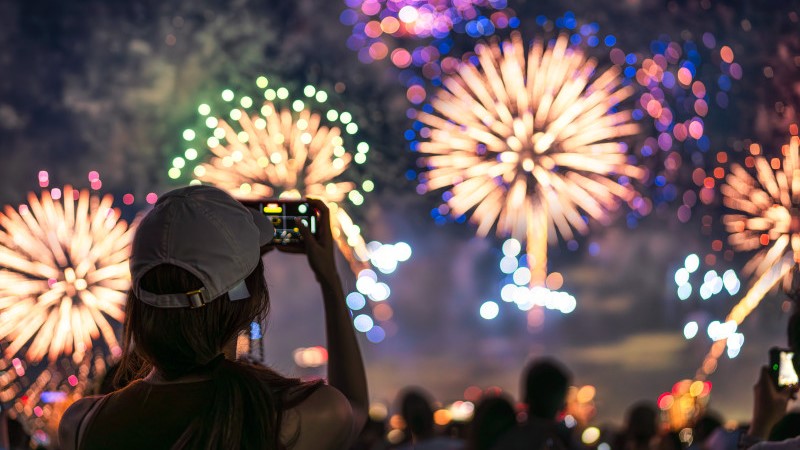
As summer sets in and holidays like Independence Day draw near, many organizations are planning celebratory events that may include fireworks. While fireworks can be a dazzling highlight, they also introduce significant risks that can lead to property damage, personal injury and liability claims.

For organizations committed to their mission and community, ensuring safety during these events is not just a best practice—it’s a responsibility. This article presents essential firework safety practices through a risk management lens, empowering organizations to host safe and successful celebrations.

Understanding the risks

Fireworks, while visually stunning, come with serious safety risks. Each year, thousands of people suffer injuries related to fireworks, often requiring emergency medical attention. These incidents can range from minor burns to more severe trauma. But the danger doesn’t stop at personal injury—fireworks are also a leading cause of property damage, sparking thousands of fires each year and resulting in millions of dollars in property losses nationwide.

For insured organizations, these incidents can lead to:

  • General liability claims from injuries to volunteers or event attendees.
  • Damage to buildings, vehicles or surrounding property.
  • Workers’ compensation claims if employees are injured.
  • Reputational harm that can impact community trust, financial support and more.

Risk control strategies for firework safety

1. Evaluate the necessity of fireworks.

Before planning a fireworks display, consider whether it aligns with your organization’s mission and risk tolerance. Alternatives like laser light shows or drone displays can offer a safer, equally engaging experience with fewer liabilities.

2. Hire licensed professionals.

If fireworks are essential to your event, always hire a licensed and insured pyrotechnics company. Verify or obtain that the vendor:

  • Holds valid state and local permits.
  • Has a proven safety record.
  • Executes a written contract which places the responsibility for any physical or personal injury arise from the pyrotechnics to the vendor.  Work with your local attorney to assist in the review and/or drafting of said agreement.
  • Provides certificates of insurance with adequate liability coverage.
  • Conducts a site inspection and risk assessment.

Avoid DIY fireworks or allowing volunteers to handle pyrotechnics under any circumstances.

3. Secure the venue.

Work with your vendor and local authorities to ensure the display site meets safety standards:

  • Maintain a minimum safety radius (typically 500 feet) between the launch site and spectators, buildings and vehicles.
  • Clear the area of dry grass, brush or flammable materials.
  • Use barriers or fencing to restrict access to the launch zone.
  • Designate emergency exits and ensure they are clearly marked and unobstructed.

4. Coordinate with local authorities.

Notify and coordinate with:

  • Fire departments for standby support and fire prevention.
  • Police departments for crowd control and traffic management.
  • Emergency medical services for on-site or nearby response.

Ensure all permits are obtained well in advance and that your event complies with local fire codes and ordinances.

5. Develop an emergency response plan.

Prepare for the unexpected with a comprehensive emergency response plan that includes:

  • Evacuation procedures.
  • Fire suppression equipment – e.g., extinguishers, water sources.
  • First aid stations and trained personnel.
  • Communication protocols for staff and volunteers.

Conduct a pre-event safety briefing with all stakeholders, including vendors, staff and emergency responders.

6. Educate and communicate.

Inform attendees about safety protocols through signage, announcements and digital communications. Key messages should instruct attendees to:

  • Stay behind safety barriers.
  • Always supervise children.
  • Refrain from lighting personal fireworks or sparklers.
  • Report suspicious or unsafe behavior.

Clear communication reduces confusion and enhances compliance during the event.

Insurance considerations

Before hosting a fireworks display, review your insurance policies with your carrier. Key questions to ask include:

  • Does your general liability policy cover fireworks-related incidents?
  • Are there exclusions for pyrotechnics or large gatherings?
  • Do you need a special event policy or rider for additional protection?
  • Is your vendor’s insurance primary or secondary to your own?

Document all safety measures and vendor agreements to support any potential claims and demonstrate due diligence.

Celebrate with confidence

Fireworks can bring communities together in celebration, but they also carry serious risks that must be managed with care. By implementing proactive risk control strategies, organizations can protect their people, property and mission—while still delivering memorable experiences.

Click here to access more safety resources, information and tools to help your organization reduce risk for greater peace of mind.

‍

The information contained in these materials is intended solely to provide general guidance on topics that may be of interest to you. While we have made reasonable efforts to present accurate and reliable information, Church Mutual Insurance Company, S.I. and its affiliates disclaim all liability for any errors or omissions or for any actions you take or fail to take based on these materials. The information provided may not apply to your particular facts or circumstances; therefore, you should seek professional advice prior to relying on any information that may be found in these materials.
Share this article with others:
FacebookLinkedinMailLink
URL copied to clipboard!
Explore more risk resources:
By Category
ArticlesChecklists &GuidesSafety ProductsVideos
By Organization
Camps, Sports & Outdoor RecreationEducation & SchoolsHouses of WorshipNonprofit & Human Service Organizations
By Topic
Buildings & GroundsBusiness PlanningCOVID-19 Response & RecoveryCybersecurityFinancial TipsFire Preparedness & PreventionInjury & Illness PreventionMaintenanceSecurity & Crime PreventionSevere Weather PreparednessSexual Abuse PreventionStaff & Volunteer Safety & ManagementTransportation SafetyTravel

Related Risk Management Articles

view all articles
Wildfire preparedness and prevention: Safeguard your people, property and purposeWildfire preparedness and prevention: Safeguard your people, property and purpose

Wildfire preparedness and prevention: Safeguard your people, property and purpose

read the article
Arrow
Guide to Injury and Illness Prevention: Essential Safety Practices for Your OrganizationGuide to Injury and Illness Prevention: Essential Safety Practices for Your Organization

Guide to Injury and Illness Prevention: Essential Safety Practices for Your Organization

read the article
Arrow
Heat can turn camp fun into a crisisHeat can turn camp fun into a crisis

Heat can turn camp fun into a crisis

read the article
Arrow
Articles
Camps Sports & Outdoor Recreation
Education & Schools
Houses of Worship
Nonprofit & Human Services Organizations
Injury & Illness Prevention
Fire Preparedness & Prevention
Staff & Volunteer Safety & Management

Brilliant displays, smart precautions: Fireworks safety for your next event

As summer sets in and holidays like Independence Day draw near, many organizations are planning celebratory events that may include fireworks. While fireworks can be a dazzling highlight, they also introduce significant risks that can lead to property damage, personal injury and liability claims.

For organizations committed to their mission and community, ensuring safety during these events is not just a best practice—it’s a responsibility. This article presents essential firework safety practices through a risk management lens, empowering organizations to host safe and successful celebrations.

Understanding the risks

Fireworks, while visually stunning, come with serious safety risks. Each year, thousands of people suffer injuries related to fireworks, often requiring emergency medical attention. These incidents can range from minor burns to more severe trauma. But the danger doesn’t stop at personal injury—fireworks are also a leading cause of property damage, sparking thousands of fires each year and resulting in millions of dollars in property losses nationwide.

For insured organizations, these incidents can lead to:

  • General liability claims from injuries to volunteers or event attendees.
  • Damage to buildings, vehicles or surrounding property.
  • Workers’ compensation claims if employees are injured.
  • Reputational harm that can impact community trust, financial support and more.

Risk control strategies for firework safety

1. Evaluate the necessity of fireworks.

Before planning a fireworks display, consider whether it aligns with your organization’s mission and risk tolerance. Alternatives like laser light shows or drone displays can offer a safer, equally engaging experience with fewer liabilities.

2. Hire licensed professionals.

If fireworks are essential to your event, always hire a licensed and insured pyrotechnics company. Verify or obtain that the vendor:

  • Holds valid state and local permits.
  • Has a proven safety record.
  • Executes a written contract which places the responsibility for any physical or personal injury arise from the pyrotechnics to the vendor.  Work with your local attorney to assist in the review and/or drafting of said agreement.
  • Provides certificates of insurance with adequate liability coverage.
  • Conducts a site inspection and risk assessment.

Avoid DIY fireworks or allowing volunteers to handle pyrotechnics under any circumstances.

3. Secure the venue.

Work with your vendor and local authorities to ensure the display site meets safety standards:

  • Maintain a minimum safety radius (typically 500 feet) between the launch site and spectators, buildings and vehicles.
  • Clear the area of dry grass, brush or flammable materials.
  • Use barriers or fencing to restrict access to the launch zone.
  • Designate emergency exits and ensure they are clearly marked and unobstructed.

4. Coordinate with local authorities.

Notify and coordinate with:

  • Fire departments for standby support and fire prevention.
  • Police departments for crowd control and traffic management.
  • Emergency medical services for on-site or nearby response.

Ensure all permits are obtained well in advance and that your event complies with local fire codes and ordinances.

5. Develop an emergency response plan.

Prepare for the unexpected with a comprehensive emergency response plan that includes:

  • Evacuation procedures.
  • Fire suppression equipment – e.g., extinguishers, water sources.
  • First aid stations and trained personnel.
  • Communication protocols for staff and volunteers.

Conduct a pre-event safety briefing with all stakeholders, including vendors, staff and emergency responders.

6. Educate and communicate.

Inform attendees about safety protocols through signage, announcements and digital communications. Key messages should instruct attendees to:

  • Stay behind safety barriers.
  • Always supervise children.
  • Refrain from lighting personal fireworks or sparklers.
  • Report suspicious or unsafe behavior.

Clear communication reduces confusion and enhances compliance during the event.

Insurance considerations

Before hosting a fireworks display, review your insurance policies with your carrier. Key questions to ask include:

  • Does your general liability policy cover fireworks-related incidents?
  • Are there exclusions for pyrotechnics or large gatherings?
  • Do you need a special event policy or rider for additional protection?
  • Is your vendor’s insurance primary or secondary to your own?

Document all safety measures and vendor agreements to support any potential claims and demonstrate due diligence.

Celebrate with confidence

Fireworks can bring communities together in celebration, but they also carry serious risks that must be managed with care. By implementing proactive risk control strategies, organizations can protect their people, property and mission—while still delivering memorable experiences.

Click here to access more safety resources, information and tools to help your organization reduce risk for greater peace of mind.

‍

The information contained in these materials is intended solely to provide general guidance on topics that may be of interest to you. While we have made reasonable efforts to present accurate and reliable information, Church Mutual Insurance Company, S.I. and its affiliates disclaim all liability for any errors or omissions or for any actions you take or fail to take based on these materials. The information provided may not apply to your particular facts or circumstances; therefore, you should seek professional advice prior to relying on any information that may be found in these materials.

Related Risk Management Videos

view all videos
Fire Preparedness & PreventionFire Preparedness & Prevention

Fire Preparedness & Prevention

Watch the Video
Arrow
Injury & Illness PreventionInjury & Illness Prevention

Injury & Illness Prevention

Watch the Video
Arrow
Slip, Trip and Fall PreventionSlip, Trip and Fall Prevention

Slip, Trip and Fall Prevention

Watch the Video
Arrow
Articles
Information
Safety Products are NO COST for Church Mutual customers.

Brilliant displays, smart precautions: Fireworks safety for your next event

first-time enrollment
order additional devices
Order In Portal
Brilliant displays, smart precautions: Fireworks safety for your next event

Related Risk Management Safety Products

view all safety products
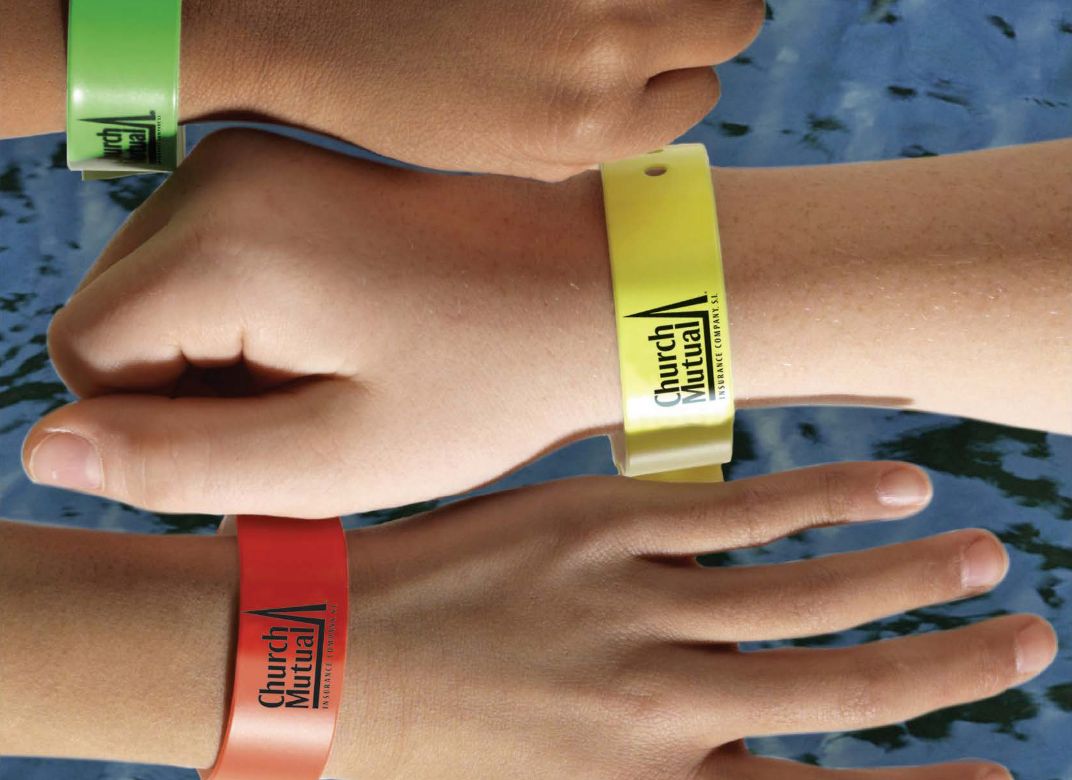
Swim BandsSwim Bands

Swim Bands

Learn More & Order
Arrow
CM Wildfire Solutions™CM Wildfire Solutions™

CM Wildfire Solutions™

Learn More & Order
Arrow
Articles
Camps Sports & Outdoor Recreation
Education & Schools
Houses of Worship
Nonprofit & Human Services Organizations
Injury & Illness Prevention
Fire Preparedness & Prevention
Staff & Volunteer Safety & Management

Brilliant displays, smart precautions: Fireworks safety for your next event

download now
open in a new tab
Brilliant displays, smart precautions: Fireworks safety for your next event

As summer sets in and holidays like Independence Day draw near, many organizations are planning celebratory events that may include fireworks. While fireworks can be a dazzling highlight, they also introduce significant risks that can lead to property damage, personal injury and liability claims.

For organizations committed to their mission and community, ensuring safety during these events is not just a best practice—it’s a responsibility. This article presents essential firework safety practices through a risk management lens, empowering organizations to host safe and successful celebrations.

Understanding the risks

Fireworks, while visually stunning, come with serious safety risks. Each year, thousands of people suffer injuries related to fireworks, often requiring emergency medical attention. These incidents can range from minor burns to more severe trauma. But the danger doesn’t stop at personal injury—fireworks are also a leading cause of property damage, sparking thousands of fires each year and resulting in millions of dollars in property losses nationwide.

For insured organizations, these incidents can lead to:

  • General liability claims from injuries to volunteers or event attendees.
  • Damage to buildings, vehicles or surrounding property.
  • Workers’ compensation claims if employees are injured.
  • Reputational harm that can impact community trust, financial support and more.

Risk control strategies for firework safety

1. Evaluate the necessity of fireworks.

Before planning a fireworks display, consider whether it aligns with your organization’s mission and risk tolerance. Alternatives like laser light shows or drone displays can offer a safer, equally engaging experience with fewer liabilities.

2. Hire licensed professionals.

If fireworks are essential to your event, always hire a licensed and insured pyrotechnics company. Verify or obtain that the vendor:

  • Holds valid state and local permits.
  • Has a proven safety record.
  • Executes a written contract which places the responsibility for any physical or personal injury arise from the pyrotechnics to the vendor.  Work with your local attorney to assist in the review and/or drafting of said agreement.
  • Provides certificates of insurance with adequate liability coverage.
  • Conducts a site inspection and risk assessment.

Avoid DIY fireworks or allowing volunteers to handle pyrotechnics under any circumstances.

3. Secure the venue.

Work with your vendor and local authorities to ensure the display site meets safety standards:

  • Maintain a minimum safety radius (typically 500 feet) between the launch site and spectators, buildings and vehicles.
  • Clear the area of dry grass, brush or flammable materials.
  • Use barriers or fencing to restrict access to the launch zone.
  • Designate emergency exits and ensure they are clearly marked and unobstructed.

4. Coordinate with local authorities.

Notify and coordinate with:

  • Fire departments for standby support and fire prevention.
  • Police departments for crowd control and traffic management.
  • Emergency medical services for on-site or nearby response.

Ensure all permits are obtained well in advance and that your event complies with local fire codes and ordinances.

5. Develop an emergency response plan.

Prepare for the unexpected with a comprehensive emergency response plan that includes:

  • Evacuation procedures.
  • Fire suppression equipment – e.g., extinguishers, water sources.
  • First aid stations and trained personnel.
  • Communication protocols for staff and volunteers.

Conduct a pre-event safety briefing with all stakeholders, including vendors, staff and emergency responders.

6. Educate and communicate.

Inform attendees about safety protocols through signage, announcements and digital communications. Key messages should instruct attendees to:

  • Stay behind safety barriers.
  • Always supervise children.
  • Refrain from lighting personal fireworks or sparklers.
  • Report suspicious or unsafe behavior.

Clear communication reduces confusion and enhances compliance during the event.

Insurance considerations

Before hosting a fireworks display, review your insurance policies with your carrier. Key questions to ask include:

  • Does your general liability policy cover fireworks-related incidents?
  • Are there exclusions for pyrotechnics or large gatherings?
  • Do you need a special event policy or rider for additional protection?
  • Is your vendor’s insurance primary or secondary to your own?

Document all safety measures and vendor agreements to support any potential claims and demonstrate due diligence.

Celebrate with confidence

Fireworks can bring communities together in celebration, but they also carry serious risks that must be managed with care. By implementing proactive risk control strategies, organizations can protect their people, property and mission—while still delivering memorable experiences.

Click here to access more safety resources, information and tools to help your organization reduce risk for greater peace of mind.

‍

The information contained in these materials is intended solely to provide general guidance on topics that may be of interest to you. While we have made reasonable efforts to present accurate and reliable information, Church Mutual Insurance Company, S.I. and its affiliates disclaim all liability for any errors or omissions or for any actions you take or fail to take based on these materials. The information provided may not apply to your particular facts or circumstances; therefore, you should seek professional advice prior to relying on any information that may be found in these materials.
download now
open in a new tab

Related Risk Management Checklists & Guides

view all checklists & guides
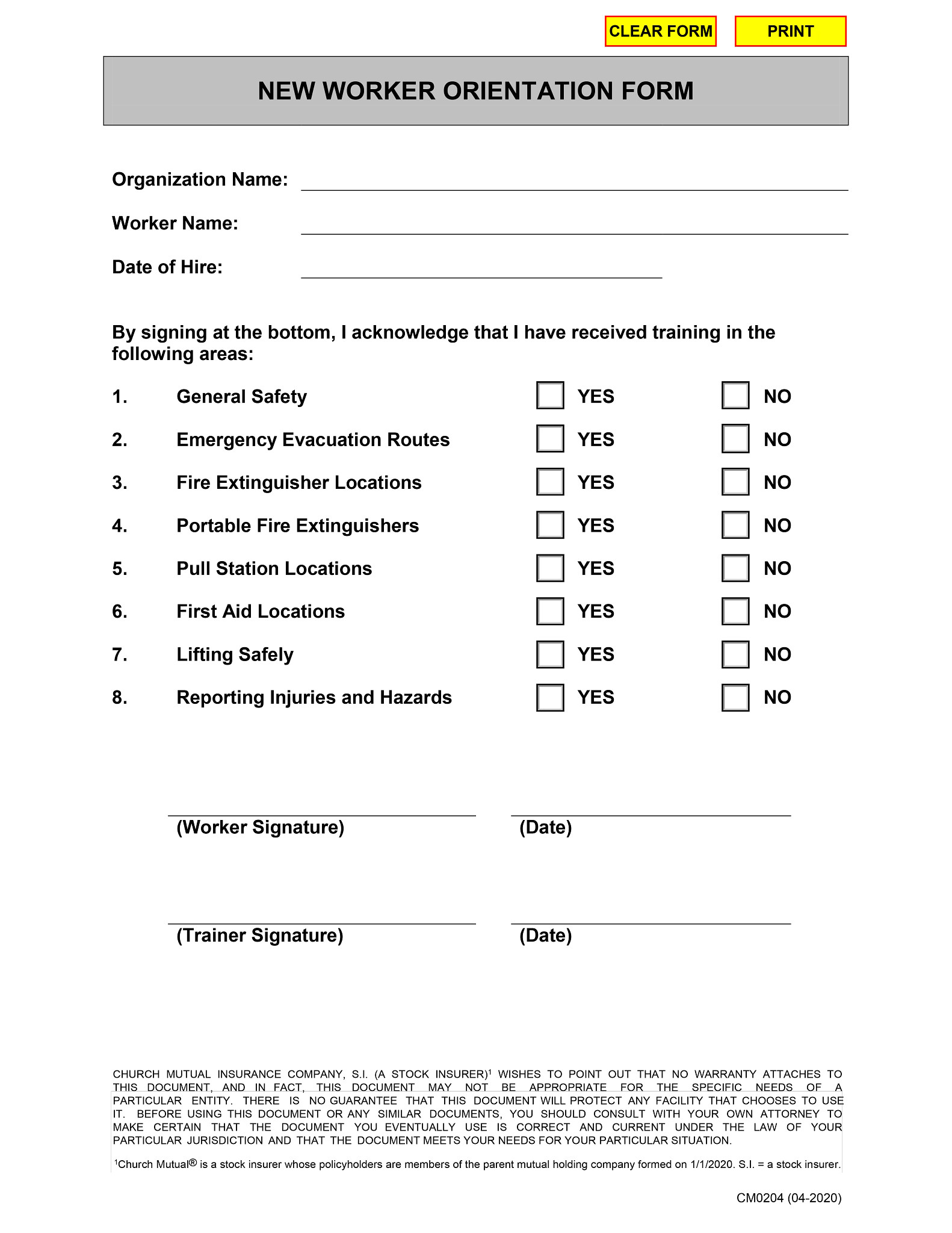
New Worker Orientation FormBrilliant displays, smart precautions: Fireworks safety for your next event

New Worker Orientation Form

Get the Guide
Arrow
Should Your Church Accommodate Known Sex Offenders?Brilliant displays, smart precautions: Fireworks safety for your next event

Should Your Church Accommodate Known Sex Offenders?

Get the Guide
Arrow
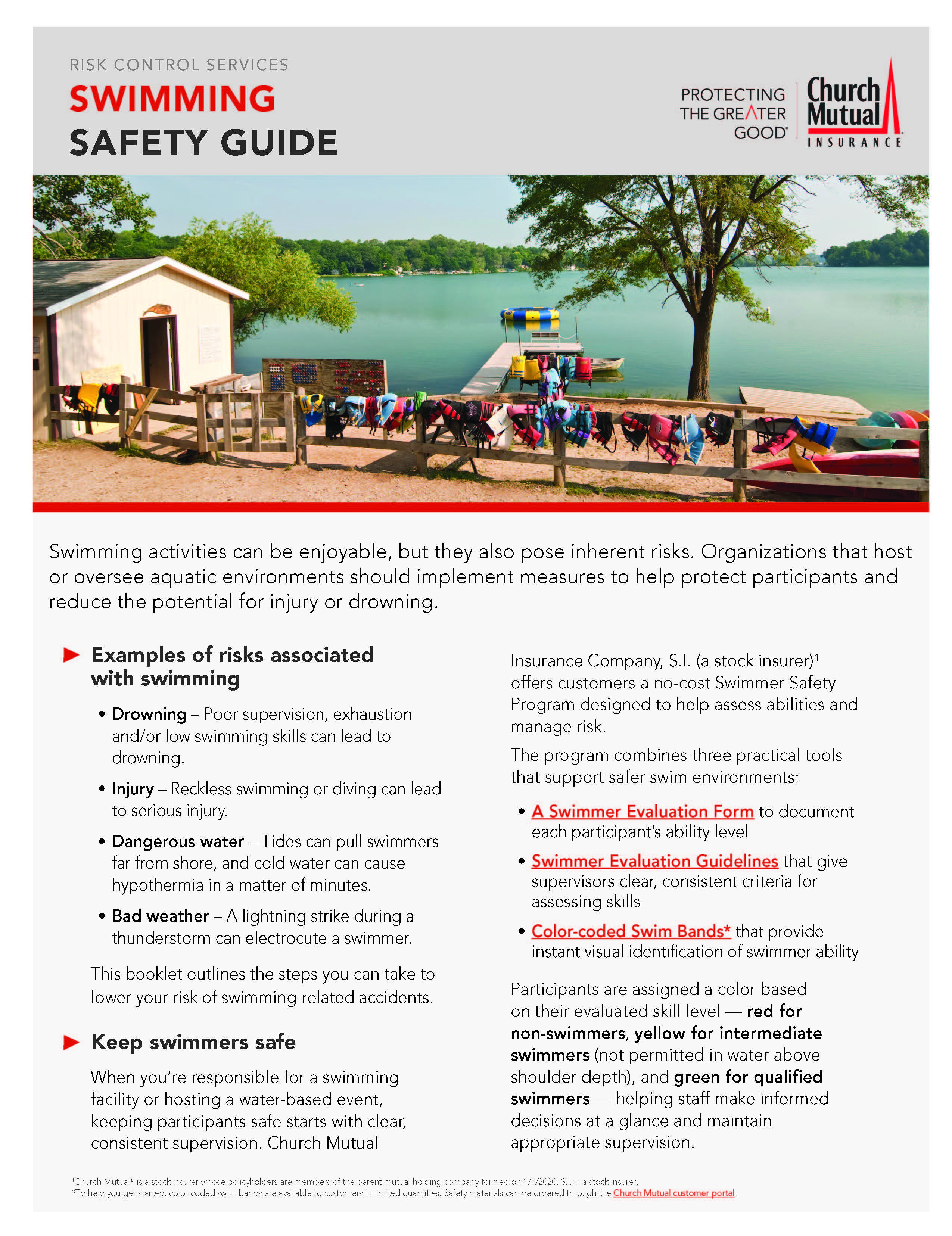
Swimming Safety Guide: Protecting Lives in the WaterBrilliant displays, smart precautions: Fireworks safety for your next event

Swimming Safety Guide: Protecting Lives in the Water

Get the Guide
Arrow
Church Mutual Insurance
Facebook
LinkedIn
Youtube
Instagram
800-554-2642
Quick Links
Request a QuotePay a BillFile a ClaimFind Your Local Rep
Get Answers
Contact UsClaims CenterPayment CenterCustomer CenterBroker CenterNewsroom
Careers
Job OpeningsWorking HereCareer AreasDiversity & InclusionBenefitsEarly Career
Site Map
|
Consent Preferences
|
Legal & Privacy Policy

Church Mutual Insurance Company, S.I. (a stock insurer) | P.O. Box 357 | 3000 Schuster Lane | Merrill, WI 54452-0357 | Telephone (800) 554-2642 or (715) 536-5577
© 2026 Church Mutual Insurance Company, S.I. All rights reserved. Protecting the Greater Good is a registered trademark of Church Mutual Insurance Company, S.I.

¹ Church Mutual is a stock insurer whose policyholders are members of the parent mutual holding company formed on 1/1/20. S.I. = a stock insurer.