Hurricane Isaias:
If you were impacted by the storm, here's
key recovery considerations for the days and weeks ahead
Church Mutual Insurance
Insurance
By Industry
Houses of WorshipNonprofit & Human Services OrganizationsCamps, Sports & Outdoor RecreationEducation & Schools
By Coverage
Specialized CoverageProperty CoverageLiability CoverageWorkers’ Compensation
Resources
Risk Control
View AllChecklists & GuidesSafety ProductsVideos
Articles
View AllCamps, Sports, and Outdoor RecreationEducation and SchoolsHouses of WorshipNonprofit and Human Services
Partner Services
View AllNurse HotlineTelemedicineBackground Checks
Additional Resources
Customer CenterBroker CenterFAQs
Support
Get In Touch
ChatContact Options800-554-2642
Additional Support
Claims CenterPremium AuditPayment CenterFind Your Local RepBroker Center
About
Who We Are
Why Church MutualHistoryLeadershipTestimonialsCM CARES®Newsroom
Careers
Job OpeningsWorking HereCareer AreasDiversity & InclusionBenefitsEarly Career
pay a bill
Pay online:
Make A Payment
Visit our Payment Center for more info. We’ve upgraded our payment system. Read our FAQs for details.
File a Claim
Start Your Claim
Questions? Visit our Claims Center for more info.
Log In
Customer Accounts:
Customer Log In
CREATE ACCOUNT
Broker Accounts:
BROKER LOG IN
CREATE ACCOUNT
search
I’m looking for…
Questions? Check out our FAQs for more info.
Start a Quote
My organization is a
Thank you! Your submission has been received!
Oops! Something went wrong while submitting the form.
Start a Quote
US flagChurch Mutual gives backUS flag
Articles
Houses of Worship
Nonprofit & Human Services Organizations
Education & Schools
Camps Sports & Outdoor Recreation
Maintenance
Severe Weather Preparedness
Articles
Houses of Worship
Nonprofit & Human Services Organizations
Education & Schools
Camps Sports & Outdoor Recreation
Maintenance
Severe Weather Preparedness
8/26/2021
Information

Don’t be left in the cold — inspect your heating boiler

Don’t be left in the cold — inspect your heating boiler

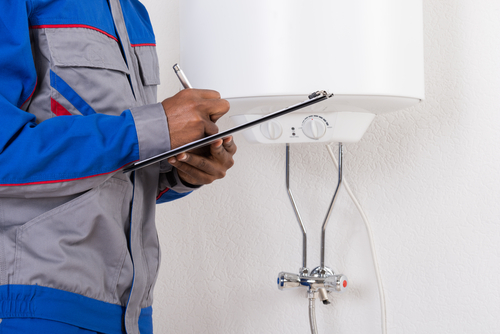
Proper maintenance of your heating boiler system is not a project that should be done — it’s a project that must be done.

Over a recent two-year period, Church Mutual customers have experienced 53 fires caused by heating system failures.

One of the biggest risks with boiler heating systems is that a problem will cause the internal pressure in the system to escalate to a point where it causes an explosion. This not only results in major physical damage to the facility but can be life threatening if your members or employees are in the building. The risk of this occurring can be greatly diminished with proper maintenance.

Maintenance is key to preventing heating system failure

The leading cause of heating boiler failures is "low water." The trouble often begins with a small leak which then leads to a puddle on the floor, and ultimately, expensive damage to your system. If the low water situation is left undetected, it can be devastating. Besides not having heat in your building, the system could be damaged to a point where it needs to be replaced. The experts say operating a heating boiler with low water is similar to running an engine without motor oil — neither can operate for long without a serious breakdown occurring.

Preventive maintenance including periodic inspections of the heating system to detect leakage must be performed. If you notice you need to add water to your system, have an inspection performed as soon as possible. Corrective action can be taken to keep a minor leak from becoming a major repair.

In addition to low water, poor water quality is another major cause of heating boiler problems. Water treatment to combat corrosion is required for all low-pressure, steel boilers. If you have a cast-iron boiler, it is important to use pure water and to keep the system as tight (no leaks) as possible. The only way to determine the quality of the water used in your system is by sampling and testing.

Most heating boiler problems occur in the fall when the system is started up after an extended period of not being used. After its initial start-up for the season, monitor the system frequently to determine that all water levels and operating conditions are stabilized during this period. Don’t expect to fire the boiler at the beginning of the heating season and walk away for days or weeks.

To keep your system operating properly and safely, here is a checklist you can follow before and after you fire your system in the fall:

  • All parts should be thoroughly cleaned and reconditioned as required and then tested before the system is put into regular service.
  • During the heating season, the system should be tested once a week.
  • Burner equipment should be cleaned and adjusted to give maximum efficiency.
  • The heating surfaces, firebox, ash pit, casing and ducts should be cleaned of all deposits. Dirty internal surfaces not only waste fuel, they can lead to the burning, bulging, cracking, corrosion and even explosion of the system.
  • The safety/relief valve should be tested for freedom of operation. These valves should be tested once a month during the heating season.
  • All pressure and temperature controls and gauges should be checked to make sure they are working properly.
  • All mechanical equipment, such as fans and pumps, should be inspected and properly lubricated.
  • The boiler room should be kept dry and clean. Never store combustible materials in this room.
  • A suitable record of the system should be established and maintained throughout the season. (See Boiler Inspection Log.)

Church Mutual works with Hartford Steam Boiler Company to provide insurance for boiler heating systems. Hartford Steam Boiler has a nationwide network of inspectors available to assist you. To arrange for an inspection or if you have additional questions, call Hartford Steam Boiler at (800) 333-4677.

For more information on insurance coverage of boiler heating systems, call your Church Mutual representative at (800) 554-2642 and select Option 1.

Share this article with others:
FacebookLinkedinMailLink
URL copied to clipboard!
Explore more risk resources:
By Category
ArticlesChecklists &GuidesSafety ProductsVideos
By Organization
Camps, Sports & Outdoor RecreationEducation & SchoolsHouses of WorshipNonprofit & Human Service Organizations
By Topic
Buildings & GroundsBusiness PlanningCOVID-19 Response & RecoveryCybersecurityFinancial TipsFire Preparedness & PreventionInjury & Illness PreventionMaintenanceSecurity & Crime PreventionSevere Weather PreparednessSexual Abuse PreventionStaff & Volunteer Safety & ManagementTransportation SafetyTravel

Related Risk Management Articles

view all articles
Your Guide to Severe Weather Preparedness: Protect Your People and PropertyYour Guide to Severe Weather Preparedness: Protect Your People and Property

Your Guide to Severe Weather Preparedness: Protect Your People and Property

read the article
Arrow
Risk considerations when providing emergency shelter and temporary living arrangementsRisk considerations when providing emergency shelter and temporary living arrangements

Risk considerations when providing emergency shelter and temporary living arrangements

read the article
Arrow
Conduct a hurricane tabletop exerciseConduct a hurricane tabletop exercise

Conduct a hurricane tabletop exercise

read the article
Arrow
Articles
Houses of Worship
Nonprofit & Human Services Organizations
Education & Schools
Camps Sports & Outdoor Recreation
Maintenance
Severe Weather Preparedness

Don’t be left in the cold — inspect your heating boiler

Proper maintenance of your heating boiler system is not a project that should be done — it’s a project that must be done.

Over a recent two-year period, Church Mutual customers have experienced 53 fires caused by heating system failures.

One of the biggest risks with boiler heating systems is that a problem will cause the internal pressure in the system to escalate to a point where it causes an explosion. This not only results in major physical damage to the facility but can be life threatening if your members or employees are in the building. The risk of this occurring can be greatly diminished with proper maintenance.

Maintenance is key to preventing heating system failure

The leading cause of heating boiler failures is "low water." The trouble often begins with a small leak which then leads to a puddle on the floor, and ultimately, expensive damage to your system. If the low water situation is left undetected, it can be devastating. Besides not having heat in your building, the system could be damaged to a point where it needs to be replaced. The experts say operating a heating boiler with low water is similar to running an engine without motor oil — neither can operate for long without a serious breakdown occurring.

Preventive maintenance including periodic inspections of the heating system to detect leakage must be performed. If you notice you need to add water to your system, have an inspection performed as soon as possible. Corrective action can be taken to keep a minor leak from becoming a major repair.

In addition to low water, poor water quality is another major cause of heating boiler problems. Water treatment to combat corrosion is required for all low-pressure, steel boilers. If you have a cast-iron boiler, it is important to use pure water and to keep the system as tight (no leaks) as possible. The only way to determine the quality of the water used in your system is by sampling and testing.

Most heating boiler problems occur in the fall when the system is started up after an extended period of not being used. After its initial start-up for the season, monitor the system frequently to determine that all water levels and operating conditions are stabilized during this period. Don’t expect to fire the boiler at the beginning of the heating season and walk away for days or weeks.

To keep your system operating properly and safely, here is a checklist you can follow before and after you fire your system in the fall:

  • All parts should be thoroughly cleaned and reconditioned as required and then tested before the system is put into regular service.
  • During the heating season, the system should be tested once a week.
  • Burner equipment should be cleaned and adjusted to give maximum efficiency.
  • The heating surfaces, firebox, ash pit, casing and ducts should be cleaned of all deposits. Dirty internal surfaces not only waste fuel, they can lead to the burning, bulging, cracking, corrosion and even explosion of the system.
  • The safety/relief valve should be tested for freedom of operation. These valves should be tested once a month during the heating season.
  • All pressure and temperature controls and gauges should be checked to make sure they are working properly.
  • All mechanical equipment, such as fans and pumps, should be inspected and properly lubricated.
  • The boiler room should be kept dry and clean. Never store combustible materials in this room.
  • A suitable record of the system should be established and maintained throughout the season. (See Boiler Inspection Log.)

Church Mutual works with Hartford Steam Boiler Company to provide insurance for boiler heating systems. Hartford Steam Boiler has a nationwide network of inspectors available to assist you. To arrange for an inspection or if you have additional questions, call Hartford Steam Boiler at (800) 333-4677.

For more information on insurance coverage of boiler heating systems, call your Church Mutual representative at (800) 554-2642 and select Option 1.

Related Risk Management Videos

view all videos
Severe Weather PreparednessSevere Weather Preparedness

Severe Weather Preparedness

Watch the Video
Arrow
Articles
Information
Safety Products are NO COST for Church Mutual customers.

Don’t be left in the cold — inspect your heating boiler

first-time enrollment
order additional devices
Order In Portal
Don’t be left in the cold — inspect your heating boiler

Related Risk Management Safety Products

view all safety products
CM Wildfire Solutions™CM Wildfire Solutions™

CM Wildfire Solutions™

Learn More & Order
Arrow
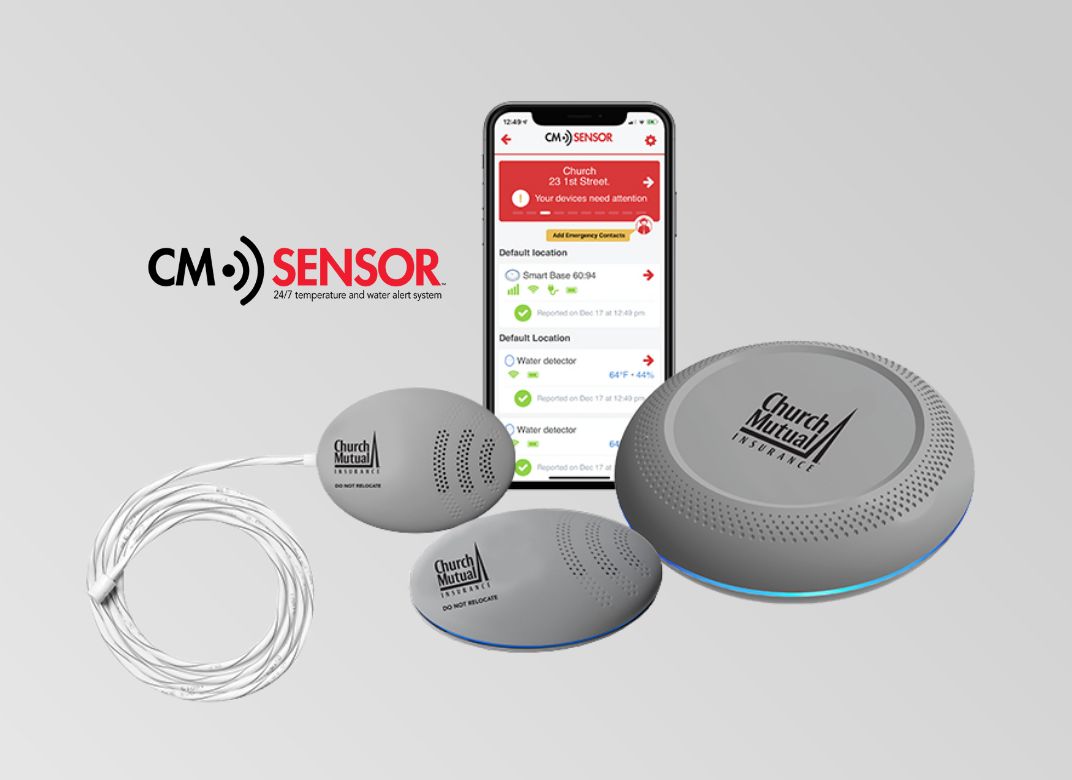
CM Sensor® 24/7 Temperature and Water Alert SystemCM Sensor® 24/7 Temperature and Water Alert System

CM Sensor® 24/7 Temperature and Water Alert System

Learn More & Order
Arrow
Articles
Houses of Worship
Nonprofit & Human Services Organizations
Education & Schools
Camps Sports & Outdoor Recreation
Maintenance
Severe Weather Preparedness

Don’t be left in the cold — inspect your heating boiler

download now
open in a new tab
Don’t be left in the cold — inspect your heating boiler

Proper maintenance of your heating boiler system is not a project that should be done — it’s a project that must be done.

Over a recent two-year period, Church Mutual customers have experienced 53 fires caused by heating system failures.

One of the biggest risks with boiler heating systems is that a problem will cause the internal pressure in the system to escalate to a point where it causes an explosion. This not only results in major physical damage to the facility but can be life threatening if your members or employees are in the building. The risk of this occurring can be greatly diminished with proper maintenance.

Maintenance is key to preventing heating system failure

The leading cause of heating boiler failures is "low water." The trouble often begins with a small leak which then leads to a puddle on the floor, and ultimately, expensive damage to your system. If the low water situation is left undetected, it can be devastating. Besides not having heat in your building, the system could be damaged to a point where it needs to be replaced. The experts say operating a heating boiler with low water is similar to running an engine without motor oil — neither can operate for long without a serious breakdown occurring.

Preventive maintenance including periodic inspections of the heating system to detect leakage must be performed. If you notice you need to add water to your system, have an inspection performed as soon as possible. Corrective action can be taken to keep a minor leak from becoming a major repair.

In addition to low water, poor water quality is another major cause of heating boiler problems. Water treatment to combat corrosion is required for all low-pressure, steel boilers. If you have a cast-iron boiler, it is important to use pure water and to keep the system as tight (no leaks) as possible. The only way to determine the quality of the water used in your system is by sampling and testing.

Most heating boiler problems occur in the fall when the system is started up after an extended period of not being used. After its initial start-up for the season, monitor the system frequently to determine that all water levels and operating conditions are stabilized during this period. Don’t expect to fire the boiler at the beginning of the heating season and walk away for days or weeks.

To keep your system operating properly and safely, here is a checklist you can follow before and after you fire your system in the fall:

  • All parts should be thoroughly cleaned and reconditioned as required and then tested before the system is put into regular service.
  • During the heating season, the system should be tested once a week.
  • Burner equipment should be cleaned and adjusted to give maximum efficiency.
  • The heating surfaces, firebox, ash pit, casing and ducts should be cleaned of all deposits. Dirty internal surfaces not only waste fuel, they can lead to the burning, bulging, cracking, corrosion and even explosion of the system.
  • The safety/relief valve should be tested for freedom of operation. These valves should be tested once a month during the heating season.
  • All pressure and temperature controls and gauges should be checked to make sure they are working properly.
  • All mechanical equipment, such as fans and pumps, should be inspected and properly lubricated.
  • The boiler room should be kept dry and clean. Never store combustible materials in this room.
  • A suitable record of the system should be established and maintained throughout the season. (See Boiler Inspection Log.)

Church Mutual works with Hartford Steam Boiler Company to provide insurance for boiler heating systems. Hartford Steam Boiler has a nationwide network of inspectors available to assist you. To arrange for an inspection or if you have additional questions, call Hartford Steam Boiler at (800) 333-4677.

For more information on insurance coverage of boiler heating systems, call your Church Mutual representative at (800) 554-2642 and select Option 1.

download now
open in a new tab

Related Risk Management Checklists & Guides

view all checklists & guides
Self-Inspection Safety Checklist for Houses of WorshipDon’t be left in the cold — inspect your heating boiler

Self-Inspection Safety Checklist for Houses of Worship

Get the Guide
Arrow
Prepare Your Facility's Equipment for Winter WeatherDon’t be left in the cold — inspect your heating boiler

Prepare Your Facility's Equipment for Winter Weather

Get the Guide
Arrow
Hurricane Ready? Try a Tabletop Exercise to Find OutDon’t be left in the cold — inspect your heating boiler

Hurricane Ready? Try a Tabletop Exercise to Find Out

Get the Guide
Arrow
Church Mutual Insurance
Facebook
LinkedIn
Youtube
Instagram
800-554-2642
Quick Links
Request a QuotePay a BillFile a ClaimFind Your Local Rep
Get Answers
Contact UsClaims CenterPayment CenterCustomer CenterBroker CenterNewsroom
Careers
Job OpeningsWorking HereCareer AreasDiversity & InclusionBenefitsEarly Career
Site Map
|
Consent Preferences
|
Legal & Privacy Policy

Church Mutual Insurance Company, S.I. (a stock insurer) | P.O. Box 357 | 3000 Schuster Lane | Merrill, WI 54452-0357 | Telephone (800) 554-2642 or (715) 536-5577
© 2026 Church Mutual Insurance Company, S.I. All rights reserved. Protecting the Greater Good is a registered trademark of Church Mutual Insurance Company, S.I.

¹ Church Mutual is a stock insurer whose policyholders are members of the parent mutual holding company formed on 1/1/20. S.I. = a stock insurer.