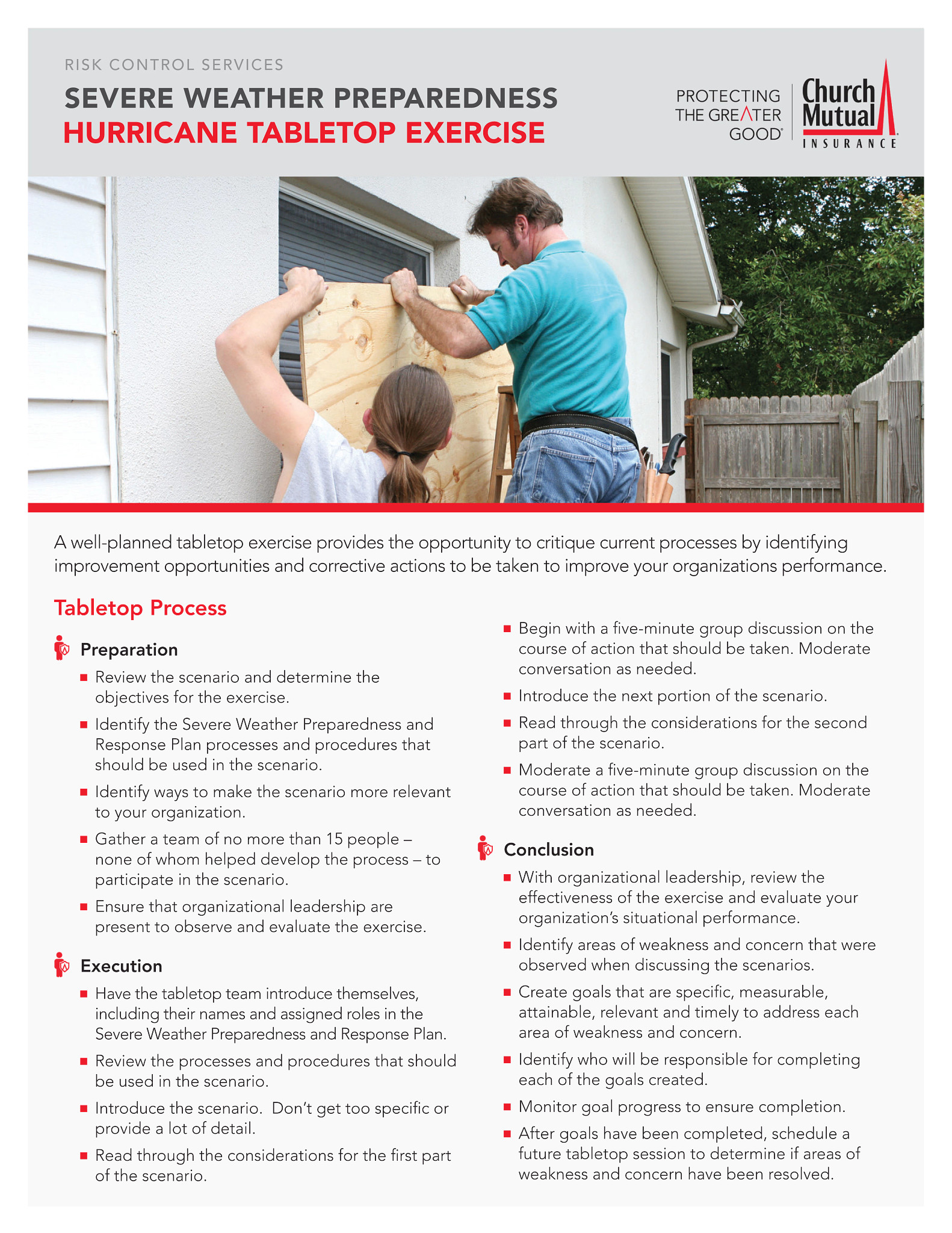
Hurricane Isaias:
If you were impacted by the storm, here's
key recovery considerations for the days and weeks ahead
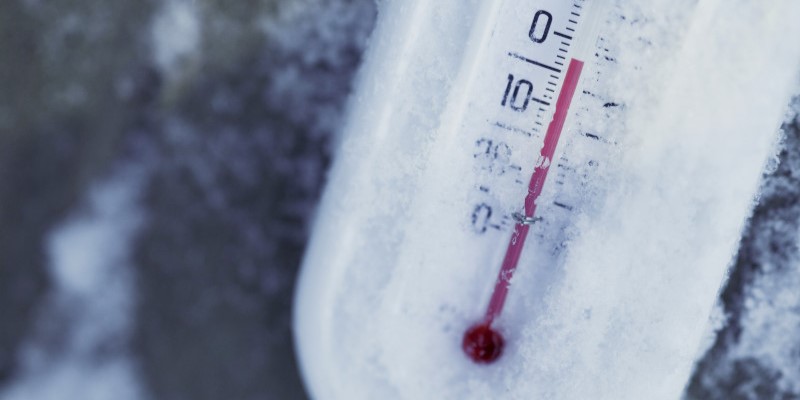
When temperatures drop, frozen pipes can quickly become a costly and disruptive problem. Just one burst pipe can potentially cause extensive water damage, halt operations and even force a temporary closure. For purpose-driven organizations that serve their communities, these interruptions can have significant and far-reaching impacts.
The good news? With a few proactive steps, you can help reduce the risk of frozen pipes and protect your property. Simple measures like maintaining adequate heat, adding insulation and installing temperature alert systems can make a difference. In this article, we’ll share practical tips to help you safeguard your building and hopefully avoid the headaches and expenses that come with frozen pipes.
Do not turn your heat off completely — even when your building will be unoccupied for a long period of time. Also, during periods of extreme cold, discontinue the use of lower nighttime temperatures. A cold building is the single greatest risk factor for frozen pipes.
Without insulation, the heat your system generates will escape through the attic and crawl space. During periods of extreme cold, you should also insulate your pipes.
Look for drafts and cold air leaks — even a small leak could lead to frozen pipes. When you close doors, double check to ensure they are completely latched.
During periods of extreme cold, this practice can relieve pressure and prevent pipes from bursting. It should be a faucet furthest from the building's water source if possible. It's also recommended to open cabinet doors to allow warm air to reach the pipes at all faucet locations.
If your building will not be in use for a period of time, you may want to turn off the water and drain your pipes to decrease your risk of freezing. In this case, you should designate someone to visit the building every few days to check for signs of a drop in temperature and water damage. After shutting off water to the building, make sure there is no standing water in the pipes by running all faucets and/or blowing out the lines with compressed air.
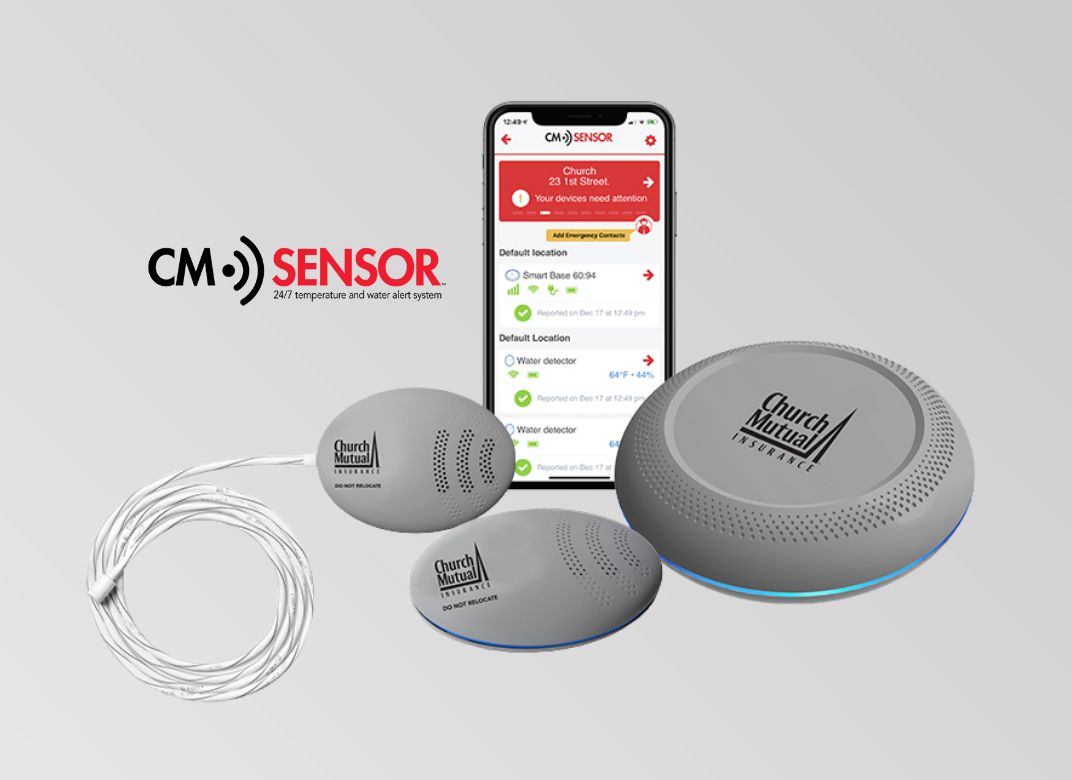
During the night or when your building is closed for an extended period of time, a temperature alert system can notify you of conditions that could cause frozen pipes, such as a faulty heating system. Church Mutual provides CM Sensor®, a temperature and water alert system, at no additional charge for eligible customers.
Open the faucets on frozen fixtures to relieve pressure and prevent pipes from bursting. Wrap frozen pipes with rags soaked in hot water and use a space heater in particularly cold areas. Also, open cabinet doors to allow warm air to circulate around the pipes.
Turn off your water immediately and call a plumber. This is where your insurance coverage matters: Church Mutual offers comprehensive solutions to help safeguard your organization and building when situations like frozen pipes occur.
Taking steps now to prevent frozen pipes can help reduce the risk of costly damage and minimize potential disruptions when temperatures drop. By following these precautions, you can better protect your building and support the continuity of your operations. Planning ahead can make a difference in helping your organization stay prepared, no matter the weather.


When temperatures drop, frozen pipes can quickly become a costly and disruptive problem. Just one burst pipe can potentially cause extensive water damage, halt operations and even force a temporary closure. For purpose-driven organizations that serve their communities, these interruptions can have significant and far-reaching impacts.
The good news? With a few proactive steps, you can help reduce the risk of frozen pipes and protect your property. Simple measures like maintaining adequate heat, adding insulation and installing temperature alert systems can make a difference. In this article, we’ll share practical tips to help you safeguard your building and hopefully avoid the headaches and expenses that come with frozen pipes.
Do not turn your heat off completely — even when your building will be unoccupied for a long period of time. Also, during periods of extreme cold, discontinue the use of lower nighttime temperatures. A cold building is the single greatest risk factor for frozen pipes.
Without insulation, the heat your system generates will escape through the attic and crawl space. During periods of extreme cold, you should also insulate your pipes.
Look for drafts and cold air leaks — even a small leak could lead to frozen pipes. When you close doors, double check to ensure they are completely latched.
During periods of extreme cold, this practice can relieve pressure and prevent pipes from bursting. It should be a faucet furthest from the building's water source if possible. It's also recommended to open cabinet doors to allow warm air to reach the pipes at all faucet locations.
If your building will not be in use for a period of time, you may want to turn off the water and drain your pipes to decrease your risk of freezing. In this case, you should designate someone to visit the building every few days to check for signs of a drop in temperature and water damage. After shutting off water to the building, make sure there is no standing water in the pipes by running all faucets and/or blowing out the lines with compressed air.
During the night or when your building is closed for an extended period of time, a temperature alert system can notify you of conditions that could cause frozen pipes, such as a faulty heating system. Church Mutual provides CM Sensor®, a temperature and water alert system, at no additional charge for eligible customers.
Open the faucets on frozen fixtures to relieve pressure and prevent pipes from bursting. Wrap frozen pipes with rags soaked in hot water and use a space heater in particularly cold areas. Also, open cabinet doors to allow warm air to circulate around the pipes.
Turn off your water immediately and call a plumber. This is where your insurance coverage matters: Church Mutual offers comprehensive solutions to help safeguard your organization and building when situations like frozen pipes occur.
Taking steps now to prevent frozen pipes can help reduce the risk of costly damage and minimize potential disruptions when temperatures drop. By following these precautions, you can better protect your building and support the continuity of your operations. Planning ahead can make a difference in helping your organization stay prepared, no matter the weather.
When temperatures drop, frozen pipes can quickly become a costly and disruptive problem. Just one burst pipe can potentially cause extensive water damage, halt operations and even force a temporary closure. For purpose-driven organizations that serve their communities, these interruptions can have significant and far-reaching impacts.
The good news? With a few proactive steps, you can help reduce the risk of frozen pipes and protect your property. Simple measures like maintaining adequate heat, adding insulation and installing temperature alert systems can make a difference. In this article, we’ll share practical tips to help you safeguard your building and hopefully avoid the headaches and expenses that come with frozen pipes.
Do not turn your heat off completely — even when your building will be unoccupied for a long period of time. Also, during periods of extreme cold, discontinue the use of lower nighttime temperatures. A cold building is the single greatest risk factor for frozen pipes.
Without insulation, the heat your system generates will escape through the attic and crawl space. During periods of extreme cold, you should also insulate your pipes.
Look for drafts and cold air leaks — even a small leak could lead to frozen pipes. When you close doors, double check to ensure they are completely latched.
During periods of extreme cold, this practice can relieve pressure and prevent pipes from bursting. It should be a faucet furthest from the building's water source if possible. It's also recommended to open cabinet doors to allow warm air to reach the pipes at all faucet locations.
If your building will not be in use for a period of time, you may want to turn off the water and drain your pipes to decrease your risk of freezing. In this case, you should designate someone to visit the building every few days to check for signs of a drop in temperature and water damage. After shutting off water to the building, make sure there is no standing water in the pipes by running all faucets and/or blowing out the lines with compressed air.
During the night or when your building is closed for an extended period of time, a temperature alert system can notify you of conditions that could cause frozen pipes, such as a faulty heating system. Church Mutual provides CM Sensor®, a temperature and water alert system, at no additional charge for eligible customers.
Open the faucets on frozen fixtures to relieve pressure and prevent pipes from bursting. Wrap frozen pipes with rags soaked in hot water and use a space heater in particularly cold areas. Also, open cabinet doors to allow warm air to circulate around the pipes.
Turn off your water immediately and call a plumber. This is where your insurance coverage matters: Church Mutual offers comprehensive solutions to help safeguard your organization and building when situations like frozen pipes occur.
Taking steps now to prevent frozen pipes can help reduce the risk of costly damage and minimize potential disruptions when temperatures drop. By following these precautions, you can better protect your building and support the continuity of your operations. Planning ahead can make a difference in helping your organization stay prepared, no matter the weather.