Hurricane Isaias:
If you were impacted by the storm, here's
key recovery considerations for the days and weeks ahead

Many nonprofit leaders use the term volunteer insurance when discussing coverage for volunteer activities and related exposures. In practice, volunteer-related risks are often addressed through a nonprofit's broader insurance program, including general liability coverage, unless volunteers are specifically excluded.
Depending on state laws and policy provisions, workers' compensation may also be available for certain volunteer-related injuries. Because volunteers are generally not employees, nonprofits should confirm how volunteer activities are treated under their insurance program and address any potential gaps before activities begin.
Volunteers play an essential role in many nonprofit programs, but they also create unique risks. Understanding how volunteer insurance for nonprofits fits within a broader nonprofit liability insurance program can help organizations protect their mission, finances and volunteers.
In most cases, nonprofits should confirm whether volunteers are covered under their existing insurance program and identify any potential coverage gaps before volunteer activities begin.
Generally, volunteers are covered under a nonprofit's general liability policy unless they are specifically excluded. Coverage varies by insurer and policy, making it important for nonprofits to review how volunteers are defined and covered under their insurance program.
Volunteer activities can expose nonprofits to medical expenses, liability claims, legal costs and other financial losses. As volunteer involvement increases, so does the potential for injuries, property damage and liability claims.
Many nonprofit leaders assume volunteers are automatically covered under their organization's liability policy. Some policies extend protection to volunteers acting on behalf of the organization, while others require endorsements or contain limitations.
When reviewing your general liability insurance, pay close attention to:
Liability insurance generally addresses third-party claims. If a volunteer causes bodily injury or property damage while performing authorized duties, the policy may respond.
Expert insight: According to Elisabeth Aleman, Assistant Vice President – Nonprofit, Human Services and Recreation, organizations should review policy language carefully and confirm how volunteers are treated under each policy, particularly when volunteers drive, work directly with clients, provide specialized services or are injured while serving.
Volunteer-related risks are typically addressed through an organization's broader insurance program rather than a standalone volunteer insurance policy. Depending on volunteer responsibilities and organizational activities, several types of coverage may apply.
General liability coverage may help protect the organization and, depending on policy language, volunteers from claims involving:
Coverage depends on how the policy defines volunteers and insured parties.
Organizations that rely on volunteers to drive on their behalf should evaluate automobile-related exposures. Examples include:
Organizations should evaluate whether hired and non-owned auto insurance coverage is needed for volunteer driving exposures.
Volunteer board members can face claims related to governance decisions, organizational oversight and employment-related matters. Management liability, which includes directors and officers (D&O) insurance, helps protect individuals serving in leadership roles.
Umbrella liability insurance may provide additional protection above underlying policies when covered claims exceed primary policy limits.
Depending on the policy, volunteer-related coverage may address:
Coverage varies by policy, insurer and organization. Review policy language to understand how volunteer-related claims are handled.
Volunteer-related insurance may exclude intentional or criminal acts, unauthorized activities, certain professional services and personal property losses. Exact exclusions depend on the policy.
Insurance generally does not cover intentional wrongdoing, criminal acts or deliberate harm.
Volunteers who provide specialized professional services may need professional liability insurance to avoid a coverage gap.
Examples include:
Workers’ compensation eligibility for volunteers varies by state and by the nature of the volunteer relationship. Nonprofits should confirm applicable requirements with their insurance professional and legal counsel.
Although volunteer-related risks are typically addressed through a nonprofit's broader insurance program rather than a standalone insurance policy, many organizations refer to these costs as volunteer insurance costs.
There is no standard cost associated with volunteer-related coverage. The cost impact depends on factors such as an organization's volunteer activities, operational risks and overall insurance program.
Common factors that influence cost include:
Cost should not be the only consideration. Nonprofits should evaluate coverage limits, exclusions and potential financial exposure to determine whether protection is adequate for their specific operations.
Protecting volunteers requires both insurance and sound risk management practices.
Examine all policies that may affect volunteer activities, including:
Confirm exactly how volunteers are treated under each policy.
Expert insight: "Insurance is only one part of protecting volunteers," says Aleman. "Clear volunteer responsibilities, safety training, supervision and incident reporting procedures can all play an important role in reducing risk and helping create a safer volunteer experience."
Written volunteer role descriptions help establish expectations and reduce confusion about approved activities.
Before assigning volunteers, ask:
Volunteer training should cover:
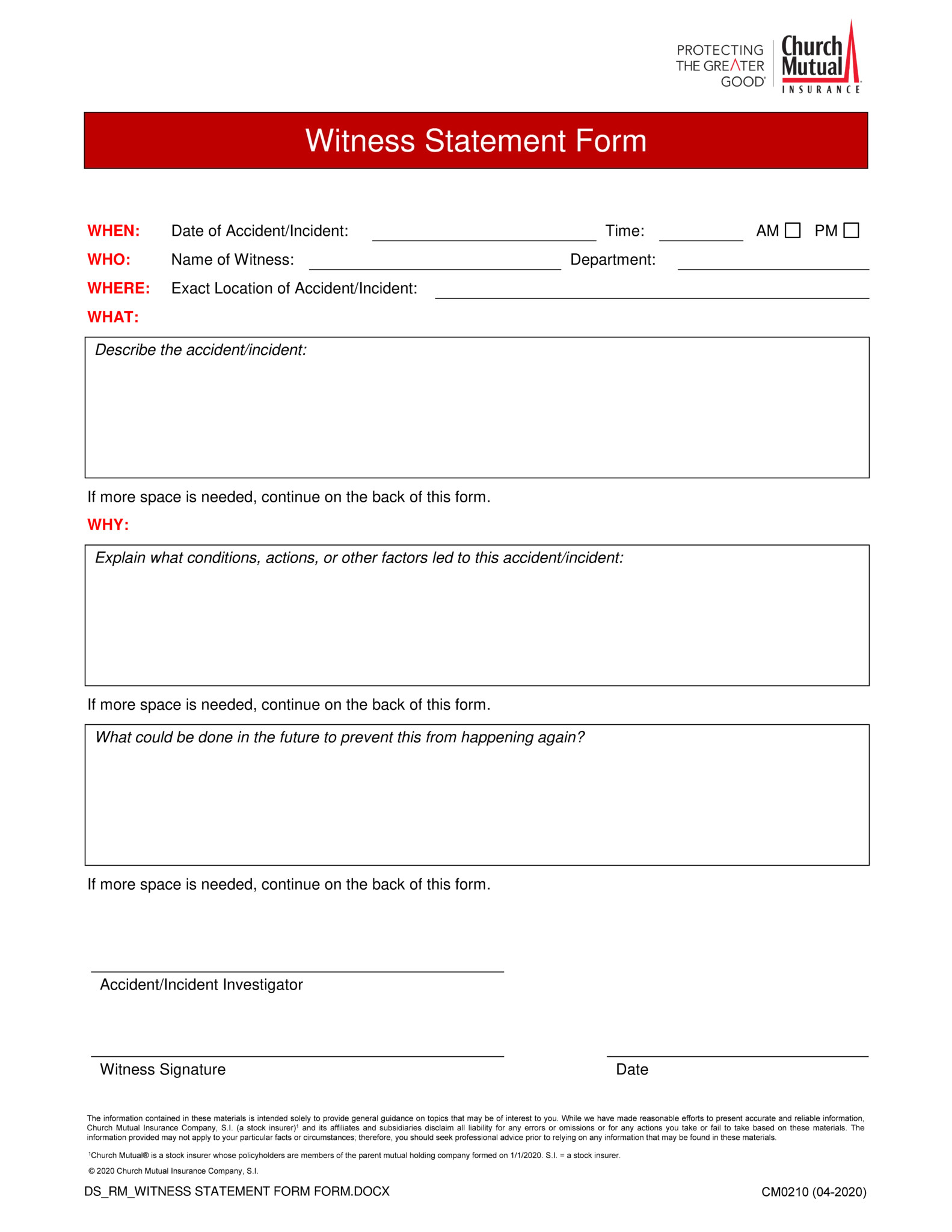
Accurate records and timely reporting can help streamline claims handling and support the organization’s response when incidents occur.
Volunteer protection should be part of a comprehensive risk management strategy. Organizations evaluating what type of insurance a nonprofit needs should assess volunteer exposures alongside property, liability, employment and governance risks.
To better understand broader liability exposures, review information about how nonprofit liability insurance works. Additional guidance on general liability insurance for nonprofits can help organizations determine whether volunteers are properly covered.
You can also explore risk management resources for nonprofits.
Expert reviewed by: Elisabeth Aleman, Assistant Vice President – Nonprofit, Human Services and Recreation. Elisabeth brings more than 20 years of experience in underwriting, risk management and insurance leadership.
Rather than purchasing a separate volunteer insurance policy, nonprofits should confirm that volunteer activities are appropriately addressed within their overall insurance program. General liability coverage often extends to volunteers unless specifically excluded, and organizations should evaluate whether additional coverage considerations apply based on volunteer responsibilities and activities.
Generally, yes. Some general liability policies extend to volunteers acting on behalf of the organization, while others exclude them or require an endorsement. It is important to review policy wording carefully and confirm with your insurer that volunteer activities are covered.
In many states, workers' compensation does not automatically extend to unpaid volunteers. However, eligibility and requirements vary by state, jurisdiction and volunteer role. Organizations should review these requirements with their insurance professional.
The answer depends on the organization's insurance program, applicable state laws and the circumstances of the injury. In some cases, workers' compensation may apply. In others, coverage may depend on how the organization's policies address volunteer-related injuries and activities. Nonprofits should review these scenarios with their insurance professional before an incident occurs.
Volunteer-related risks can affect your people, programs and finances. Reviewing your insurance program regularly can help identify coverage gaps and ensure volunteer activities are appropriately addressed.