Hurricane Isaias:
If you were impacted by the storm, here's
key recovery considerations for the days and weeks ahead

Most nonprofits rely on a core set of insurance coverages — including property, general liability, professional liability, commercial auto and workers’ compensation — to protect their operations. Depending on their size, activities and the populations they serve, many also carry directors and officers (D&O) liability, employment practices liability, cyber liability, volunteer coverage and sexual misconduct liability.
These coverage needs reflect the real risks nonprofits face every day, from accidents at events to claims involving leadership decisions, volunteers or core programs. Because nonprofits often operate with limited financial reserves, even a single uninsured incident can disrupt operations or threaten long‑term sustainability. Just as importantly, these events can impact an organization’s reputation in the community — affecting donor confidence, partnerships and public trust — underscoring the importance of having the right protection in place. As Elisabeth Aleman, Assistant Vice President – Nonprofit, Human Services and Recreation at Church Mutual, notes, even well‑managed nonprofits can face claims that create significant financial strain without the right insurance in place.
So, what insurance does a nonprofit need? The answer goes beyond minimum requirements or checking a box. Insurance plays a foundational role in helping organizations manage risk, protect leaders and volunteers, and maintain focus on their mission.
This guide introduces the core insurance coverages most nonprofits commonly consider, offering a clear, high‑level overview and direction to additional resources for deeper exploration. Rather than focusing on policy mechanics, it’s designed as a starting point for aligning coverage with your organization’s size, structure and risk profile.
While nonprofits face familiar operational risks in property ownership, staffing and public interaction, their exposure is often more complex. Limited financial buffers, reliance on volunteers and heightened public accountability all contribute to why nonprofit liability insurance requires a different approach than coverage designed with for‑profit entities in mind — especially since even a single uninsured claim can have an outsized financial and operational impact.
Several factors commonly increase nonprofit liability exposure:
According to Aleman, these combined factors — from volunteer involvement to public accountability — make nonprofit liability exposure more complex than that of traditional organizations. Purpose‑built nonprofit liability insurance can help organizations manage these risks while protecting financial stability, leadership and mission continuity.
Property insurance helps protect the physical assets nonprofits rely on to carry out their mission, including buildings, equipment and furnishings. These assets are often central to program delivery and daily operations, whether supporting services, administrative work or outreach efforts. Losses from fire, theft or severe weather can interrupt operations and create financial strain.
This coverage helps nonprofits recover more quickly after a loss and resume normal activities with less disruption. It is especially important for organizations that own property or depend on specialized or donated equipment that would be difficult or costly to replace.
General liability insurance helps protect nonprofits against third‑party claims involving bodily injury, property damage or personal injury that arise from everyday operations or events. Incidents can occur during routine activities such as hosting programs, welcoming visitors or using shared spaces, and legal defense costs alone can be significant — even when claims lack merit.
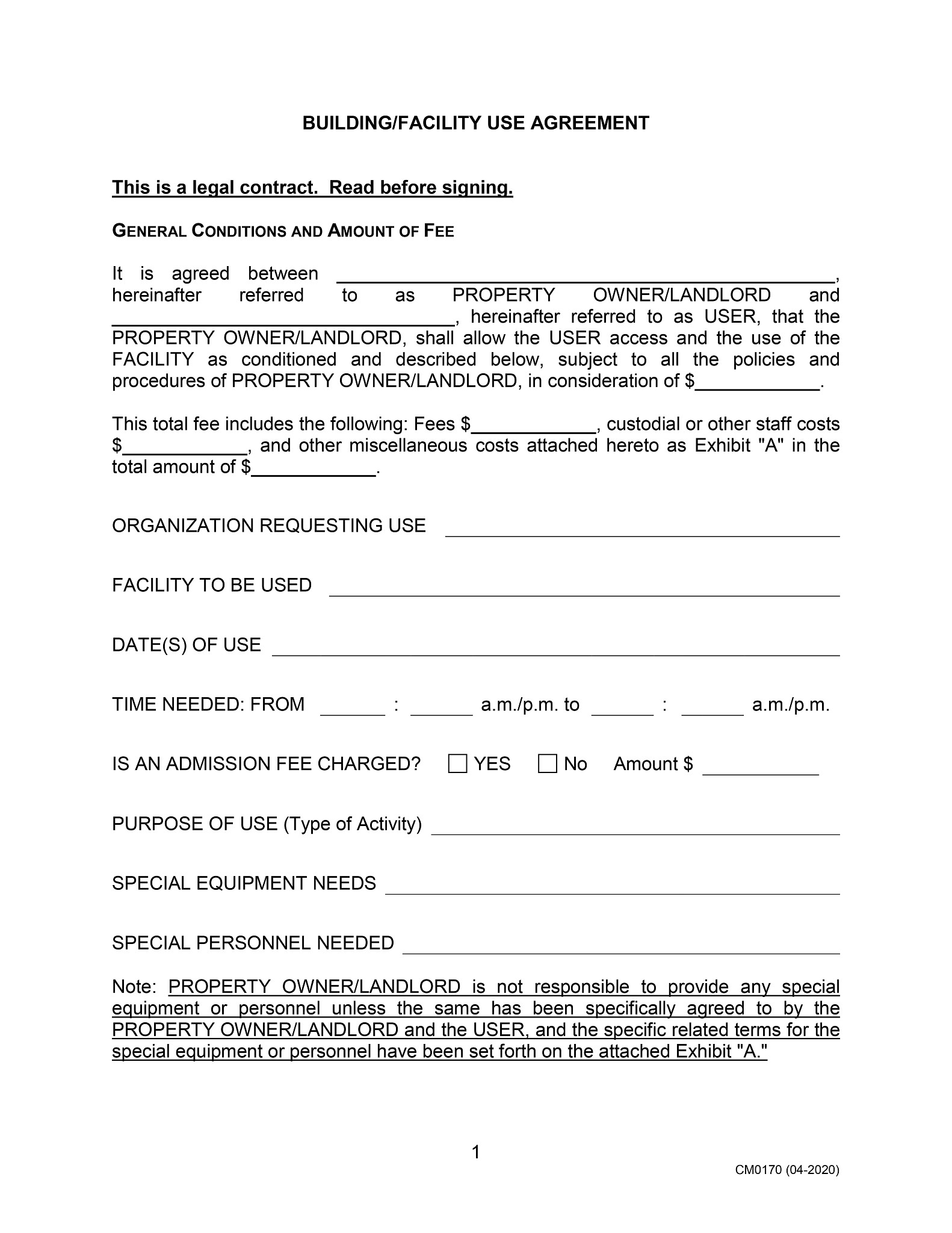
This coverage is also often required by landlords, venues, municipalities and grantmakers before approving space use, events or funding. Beyond meeting contractual requirements, it helps provide operational stability and confidence that day‑to‑day risks are being managed.
Professional liability insurance helps protect nonprofits from claims alleging negligence, mistakes or failures in professional judgment.
Because this exposure is typically excluded from general liability policies, professional liability fills an important gap. It helps cover defense costs and protects both the organization and the individuals delivering programs central to its mission.
Commercial auto insurance covers nonprofits that own or regularly use vehicles for mission‑related activities such as program delivery, transportation or events. It provides protection for both liability and physical damage resulting from accidents, theft or vandalism involving organization‑owned vehicles.
Designed specifically for organizations, it addresses risks tied to multiple drivers and frequent or mission‑related use. For nonprofits that rely on transportation to serve their communities, this coverage helps support safer operations and protect against costly disruptions.
Workers’ compensation insurance helps nonprofits support employees who are injured or become ill as a result of their work, providing coverage for medical care, rehabilitation costs and a portion of lost wages during recovery.
In addition to caring for employees, this coverage helps protect the organization from the financial impact of workplace incidents and potential legal liability. It also supports compliance with state requirements and reinforces a nonprofit’s role as a responsible employer committed to the safety and well‑being of its staff.
By helping organizations manage the cost of on‑the‑job injuries while supporting employees through recovery, workers’ compensation insurance promotes stability, strengthens workplace trust and allows nonprofits to stay focused on advancing their mission.
In addition to standard nonprofit insurance policies, organizations often need specialized coverages to address risks such as leadership liability, employment-related claims, cyber incidents and sexual misconduct and abuse-related risks. These policies help ensure more comprehensive protection across the full scope of nonprofit operations.
Directors and officers insurance for nonprofits — often referred to as D&O insurance — is a core part of management liability coverage, helping protect nonprofit board members and senior leaders from personal financial liability tied to governance and management decisions. Claims often involve financial oversight, employment decisions, fiduciary responsibilities or regulatory compliance, and can arise even when leaders act in good faith. As Aleman explains, many stem from governance decisions rather than clear wrongdoing, making defense costs a primary concern for nonprofit leaders.
Without D&O coverage, board members may be personally responsible for legal costs or settlements, which can affect an organization’s ability to attract and retain qualified leadership. For many nonprofits, this coverage plays a foundational role in supporting strong governance, leadership continuity and organizational credibility.
Employment practices liability insurance (EPLI) helps nonprofits respond to employment‑related claims such as discrimination, harassment, retaliation or wrongful termination. These claims can be brought by current or former employees, or even job applicants, and can arise even in organizations with strong values and practices.
Workplace disputes are often complex and costly to defend, regardless of outcome. EPLI helps protect organizational resources while acknowledging that managing people always carries some level of legal exposure, particularly for growing nonprofits or those with evolving HR needs.
Cyber liability insurance helps nonprofits respond to data breaches, ransomware attacks and other cyber incidents involving sensitive donor, employee or client information. As Aleman notes, cyber risk is increasing as organizations become more digitally reliant, including smaller nonprofits with limited IT resources.
Coverage often includes access to breach response services such as legal guidance, notification support and crisis management. These resources can help organizations respond quickly, reduce disruption and maintain trust with stakeholders.
Sexual misconduct coverage helps nonprofits respond to allegations of abuse or misconduct, providing support for legal defense, investigations and potential claims. It is especially important for organizations serving children, seniors or other vulnerable populations, where expectations for safety and oversight are high.
These situations can carry significant legal, operational and reputational consequences. Coverage helps organizations manage complex incidents, including defense costs, crisis response and claims related to alleged abuse, misconduct or gaps in supervision. Even unsubstantiated allegations can require careful handling and place strain on organizational resources.
As Aleman notes, insurance alone is not a substitute for prevention. Sexual misconduct coverage should be paired with strong safeguarding practices such as training, screening, clear policies and reporting procedures — supporting accountability, protecting those in your care and maintaining community trust.
Umbrella liability insurance provides nonprofit organizations with an added layer of protection by extending coverage beyond the limits of existing liability policies, such as general liability or commercial auto. It helps cover large or unexpected claims that exceed primary policy limits.
By helping protect against high-severity losses, umbrella liability insurance reduces financial strain and safeguards organizational assets. As part of a broader insurance strategy, it complements core and specialized coverages — supporting stability, leadership confidence and long‑term mission continuity.
Choosing insurance isn’t about carrying the most coverage, it’s about securing the right protection for your mission and operations. Effective insurance aligns with how your organization actually functions, reflecting real‑world activities, leadership responsibilities and risk exposure rather than generic assumptions.
As Aleman notes, the most effective insurance strategies start with understanding how an organization actually operates, rather than relying on standardized coverage assumptions. When evaluating coverage, nonprofit leaders should focus on a few core considerations, including:
Insurance choices should account for change over time. Growth in programming, staffing shifts, new service models or expanded geographic reach can all introduce new exposures. Regular reviews help ensure coverage keeps pace with the mission rather than lagging behind it.
Working with an insurance provider that understands nonprofit risk can make this process more effective. Specialized expertise helps tailor coverage, reduce gaps and avoid unnecessary overlap — turning insurance into a strategic asset that supports stability, leadership confidence and long‑term impact.
Expert reviewed by: Elisabeth Aleman, Assistant Vice President – Nonprofit, Human Services and Recreation. Elisabeth brings more than 20 years of experience in underwriting, risk management and insurance leadership.
Many nonprofits need core insurance like property, general liability, professional liability, workers’ compensation and commercial auto. Depending on their risks and operations, they may also need specialized coverages such as D&O, EPLI, cyber liability, sexual misconduct coverage and umbrella liability insurance.
Yes. General liability insurance protects nonprofits against third-party claims for bodily injury, property damage and personal injury. Without it, a single incident involving a visitor, volunteer or event attendee could expose the organization to significant legal costs.
Directors and officers (D&O) insurance protects board members and senior staff from personal liability arising from decisions made in their official capacity. It covers legal defense costs and settlements for claims alleging wrongful acts, mismanagement or breach of duty.
Nonprofit insurance costs vary depending on your organization’s size, activities, staffing and coverage needs. Because every nonprofit has a unique risk profile, pricing is typically customized. Church Mutual can help assess your needs and provide a tailored quote.
Yes. Volunteers create meaningful value for your organization, but they also introduce potential risks. In many cases, general liability coverage can extend to volunteers while they are acting on behalf of the organization. However, coverage can vary by policy, so it’s important to confirm how volunteers are treated and whether additional protection, such as supplemental volunteer coverage, is appropriate for your activities.


Most nonprofits rely on a core set of insurance coverages — including property, general liability, professional liability, commercial auto and workers’ compensation — to protect their operations. Depending on their size, activities and the populations they serve, many also carry directors and officers (D&O) liability, employment practices liability, cyber liability, volunteer coverage and sexual misconduct liability.
These coverage needs reflect the real risks nonprofits face every day, from accidents at events to claims involving leadership decisions, volunteers or core programs. Because nonprofits often operate with limited financial reserves, even a single uninsured incident can disrupt operations or threaten long‑term sustainability. Just as importantly, these events can impact an organization’s reputation in the community — affecting donor confidence, partnerships and public trust — underscoring the importance of having the right protection in place. As Elisabeth Aleman, Assistant Vice President – Nonprofit, Human Services and Recreation at Church Mutual, notes, even well‑managed nonprofits can face claims that create significant financial strain without the right insurance in place.
So, what insurance does a nonprofit need? The answer goes beyond minimum requirements or checking a box. Insurance plays a foundational role in helping organizations manage risk, protect leaders and volunteers, and maintain focus on their mission.
This guide introduces the core insurance coverages most nonprofits commonly consider, offering a clear, high‑level overview and direction to additional resources for deeper exploration. Rather than focusing on policy mechanics, it’s designed as a starting point for aligning coverage with your organization’s size, structure and risk profile.
While nonprofits face familiar operational risks in property ownership, staffing and public interaction, their exposure is often more complex. Limited financial buffers, reliance on volunteers and heightened public accountability all contribute to why nonprofit liability insurance requires a different approach than coverage designed with for‑profit entities in mind — especially since even a single uninsured claim can have an outsized financial and operational impact.
Several factors commonly increase nonprofit liability exposure:
According to Aleman, these combined factors — from volunteer involvement to public accountability — make nonprofit liability exposure more complex than that of traditional organizations. Purpose‑built nonprofit liability insurance can help organizations manage these risks while protecting financial stability, leadership and mission continuity.
Property insurance helps protect the physical assets nonprofits rely on to carry out their mission, including buildings, equipment and furnishings. These assets are often central to program delivery and daily operations, whether supporting services, administrative work or outreach efforts. Losses from fire, theft or severe weather can interrupt operations and create financial strain.
This coverage helps nonprofits recover more quickly after a loss and resume normal activities with less disruption. It is especially important for organizations that own property or depend on specialized or donated equipment that would be difficult or costly to replace.
General liability insurance helps protect nonprofits against third‑party claims involving bodily injury, property damage or personal injury that arise from everyday operations or events. Incidents can occur during routine activities such as hosting programs, welcoming visitors or using shared spaces, and legal defense costs alone can be significant — even when claims lack merit.
This coverage is also often required by landlords, venues, municipalities and grantmakers before approving space use, events or funding. Beyond meeting contractual requirements, it helps provide operational stability and confidence that day‑to‑day risks are being managed.
Professional liability insurance helps protect nonprofits from claims alleging negligence, mistakes or failures in professional judgment.
Because this exposure is typically excluded from general liability policies, professional liability fills an important gap. It helps cover defense costs and protects both the organization and the individuals delivering programs central to its mission.
Commercial auto insurance covers nonprofits that own or regularly use vehicles for mission‑related activities such as program delivery, transportation or events. It provides protection for both liability and physical damage resulting from accidents, theft or vandalism involving organization‑owned vehicles.
Designed specifically for organizations, it addresses risks tied to multiple drivers and frequent or mission‑related use. For nonprofits that rely on transportation to serve their communities, this coverage helps support safer operations and protect against costly disruptions.
Workers’ compensation insurance helps nonprofits support employees who are injured or become ill as a result of their work, providing coverage for medical care, rehabilitation costs and a portion of lost wages during recovery.
In addition to caring for employees, this coverage helps protect the organization from the financial impact of workplace incidents and potential legal liability. It also supports compliance with state requirements and reinforces a nonprofit’s role as a responsible employer committed to the safety and well‑being of its staff.
By helping organizations manage the cost of on‑the‑job injuries while supporting employees through recovery, workers’ compensation insurance promotes stability, strengthens workplace trust and allows nonprofits to stay focused on advancing their mission.
In addition to standard nonprofit insurance policies, organizations often need specialized coverages to address risks such as leadership liability, employment-related claims, cyber incidents and sexual misconduct and abuse-related risks. These policies help ensure more comprehensive protection across the full scope of nonprofit operations.
Directors and officers insurance for nonprofits — often referred to as D&O insurance — is a core part of management liability coverage, helping protect nonprofit board members and senior leaders from personal financial liability tied to governance and management decisions. Claims often involve financial oversight, employment decisions, fiduciary responsibilities or regulatory compliance, and can arise even when leaders act in good faith. As Aleman explains, many stem from governance decisions rather than clear wrongdoing, making defense costs a primary concern for nonprofit leaders.
Without D&O coverage, board members may be personally responsible for legal costs or settlements, which can affect an organization’s ability to attract and retain qualified leadership. For many nonprofits, this coverage plays a foundational role in supporting strong governance, leadership continuity and organizational credibility.
Employment practices liability insurance (EPLI) helps nonprofits respond to employment‑related claims such as discrimination, harassment, retaliation or wrongful termination. These claims can be brought by current or former employees, or even job applicants, and can arise even in organizations with strong values and practices.
Workplace disputes are often complex and costly to defend, regardless of outcome. EPLI helps protect organizational resources while acknowledging that managing people always carries some level of legal exposure, particularly for growing nonprofits or those with evolving HR needs.
Cyber liability insurance helps nonprofits respond to data breaches, ransomware attacks and other cyber incidents involving sensitive donor, employee or client information. As Aleman notes, cyber risk is increasing as organizations become more digitally reliant, including smaller nonprofits with limited IT resources.
Coverage often includes access to breach response services such as legal guidance, notification support and crisis management. These resources can help organizations respond quickly, reduce disruption and maintain trust with stakeholders.
Sexual misconduct coverage helps nonprofits respond to allegations of abuse or misconduct, providing support for legal defense, investigations and potential claims. It is especially important for organizations serving children, seniors or other vulnerable populations, where expectations for safety and oversight are high.
These situations can carry significant legal, operational and reputational consequences. Coverage helps organizations manage complex incidents, including defense costs, crisis response and claims related to alleged abuse, misconduct or gaps in supervision. Even unsubstantiated allegations can require careful handling and place strain on organizational resources.
As Aleman notes, insurance alone is not a substitute for prevention. Sexual misconduct coverage should be paired with strong safeguarding practices such as training, screening, clear policies and reporting procedures — supporting accountability, protecting those in your care and maintaining community trust.
Umbrella liability insurance provides nonprofit organizations with an added layer of protection by extending coverage beyond the limits of existing liability policies, such as general liability or commercial auto. It helps cover large or unexpected claims that exceed primary policy limits.
By helping protect against high-severity losses, umbrella liability insurance reduces financial strain and safeguards organizational assets. As part of a broader insurance strategy, it complements core and specialized coverages — supporting stability, leadership confidence and long‑term mission continuity.
Choosing insurance isn’t about carrying the most coverage, it’s about securing the right protection for your mission and operations. Effective insurance aligns with how your organization actually functions, reflecting real‑world activities, leadership responsibilities and risk exposure rather than generic assumptions.
As Aleman notes, the most effective insurance strategies start with understanding how an organization actually operates, rather than relying on standardized coverage assumptions. When evaluating coverage, nonprofit leaders should focus on a few core considerations, including:
Insurance choices should account for change over time. Growth in programming, staffing shifts, new service models or expanded geographic reach can all introduce new exposures. Regular reviews help ensure coverage keeps pace with the mission rather than lagging behind it.
Working with an insurance provider that understands nonprofit risk can make this process more effective. Specialized expertise helps tailor coverage, reduce gaps and avoid unnecessary overlap — turning insurance into a strategic asset that supports stability, leadership confidence and long‑term impact.
Expert reviewed by: Elisabeth Aleman, Assistant Vice President – Nonprofit, Human Services and Recreation. Elisabeth brings more than 20 years of experience in underwriting, risk management and insurance leadership.
Many nonprofits need core insurance like property, general liability, professional liability, workers’ compensation and commercial auto. Depending on their risks and operations, they may also need specialized coverages such as D&O, EPLI, cyber liability, sexual misconduct coverage and umbrella liability insurance.
Yes. General liability insurance protects nonprofits against third-party claims for bodily injury, property damage and personal injury. Without it, a single incident involving a visitor, volunteer or event attendee could expose the organization to significant legal costs.
Directors and officers (D&O) insurance protects board members and senior staff from personal liability arising from decisions made in their official capacity. It covers legal defense costs and settlements for claims alleging wrongful acts, mismanagement or breach of duty.
Nonprofit insurance costs vary depending on your organization’s size, activities, staffing and coverage needs. Because every nonprofit has a unique risk profile, pricing is typically customized. Church Mutual can help assess your needs and provide a tailored quote.
Yes. Volunteers create meaningful value for your organization, but they also introduce potential risks. In many cases, general liability coverage can extend to volunteers while they are acting on behalf of the organization. However, coverage can vary by policy, so it’s important to confirm how volunteers are treated and whether additional protection, such as supplemental volunteer coverage, is appropriate for your activities.
Most nonprofits rely on a core set of insurance coverages — including property, general liability, professional liability, commercial auto and workers’ compensation — to protect their operations. Depending on their size, activities and the populations they serve, many also carry directors and officers (D&O) liability, employment practices liability, cyber liability, volunteer coverage and sexual misconduct liability.
These coverage needs reflect the real risks nonprofits face every day, from accidents at events to claims involving leadership decisions, volunteers or core programs. Because nonprofits often operate with limited financial reserves, even a single uninsured incident can disrupt operations or threaten long‑term sustainability. Just as importantly, these events can impact an organization’s reputation in the community — affecting donor confidence, partnerships and public trust — underscoring the importance of having the right protection in place. As Elisabeth Aleman, Assistant Vice President – Nonprofit, Human Services and Recreation at Church Mutual, notes, even well‑managed nonprofits can face claims that create significant financial strain without the right insurance in place.
So, what insurance does a nonprofit need? The answer goes beyond minimum requirements or checking a box. Insurance plays a foundational role in helping organizations manage risk, protect leaders and volunteers, and maintain focus on their mission.
This guide introduces the core insurance coverages most nonprofits commonly consider, offering a clear, high‑level overview and direction to additional resources for deeper exploration. Rather than focusing on policy mechanics, it’s designed as a starting point for aligning coverage with your organization’s size, structure and risk profile.
While nonprofits face familiar operational risks in property ownership, staffing and public interaction, their exposure is often more complex. Limited financial buffers, reliance on volunteers and heightened public accountability all contribute to why nonprofit liability insurance requires a different approach than coverage designed with for‑profit entities in mind — especially since even a single uninsured claim can have an outsized financial and operational impact.
Several factors commonly increase nonprofit liability exposure:
According to Aleman, these combined factors — from volunteer involvement to public accountability — make nonprofit liability exposure more complex than that of traditional organizations. Purpose‑built nonprofit liability insurance can help organizations manage these risks while protecting financial stability, leadership and mission continuity.
Property insurance helps protect the physical assets nonprofits rely on to carry out their mission, including buildings, equipment and furnishings. These assets are often central to program delivery and daily operations, whether supporting services, administrative work or outreach efforts. Losses from fire, theft or severe weather can interrupt operations and create financial strain.
This coverage helps nonprofits recover more quickly after a loss and resume normal activities with less disruption. It is especially important for organizations that own property or depend on specialized or donated equipment that would be difficult or costly to replace.
General liability insurance helps protect nonprofits against third‑party claims involving bodily injury, property damage or personal injury that arise from everyday operations or events. Incidents can occur during routine activities such as hosting programs, welcoming visitors or using shared spaces, and legal defense costs alone can be significant — even when claims lack merit.
This coverage is also often required by landlords, venues, municipalities and grantmakers before approving space use, events or funding. Beyond meeting contractual requirements, it helps provide operational stability and confidence that day‑to‑day risks are being managed.
Professional liability insurance helps protect nonprofits from claims alleging negligence, mistakes or failures in professional judgment.
Because this exposure is typically excluded from general liability policies, professional liability fills an important gap. It helps cover defense costs and protects both the organization and the individuals delivering programs central to its mission.
Commercial auto insurance covers nonprofits that own or regularly use vehicles for mission‑related activities such as program delivery, transportation or events. It provides protection for both liability and physical damage resulting from accidents, theft or vandalism involving organization‑owned vehicles.
Designed specifically for organizations, it addresses risks tied to multiple drivers and frequent or mission‑related use. For nonprofits that rely on transportation to serve their communities, this coverage helps support safer operations and protect against costly disruptions.
Workers’ compensation insurance helps nonprofits support employees who are injured or become ill as a result of their work, providing coverage for medical care, rehabilitation costs and a portion of lost wages during recovery.
In addition to caring for employees, this coverage helps protect the organization from the financial impact of workplace incidents and potential legal liability. It also supports compliance with state requirements and reinforces a nonprofit’s role as a responsible employer committed to the safety and well‑being of its staff.
By helping organizations manage the cost of on‑the‑job injuries while supporting employees through recovery, workers’ compensation insurance promotes stability, strengthens workplace trust and allows nonprofits to stay focused on advancing their mission.
In addition to standard nonprofit insurance policies, organizations often need specialized coverages to address risks such as leadership liability, employment-related claims, cyber incidents and sexual misconduct and abuse-related risks. These policies help ensure more comprehensive protection across the full scope of nonprofit operations.
Directors and officers insurance for nonprofits — often referred to as D&O insurance — is a core part of management liability coverage, helping protect nonprofit board members and senior leaders from personal financial liability tied to governance and management decisions. Claims often involve financial oversight, employment decisions, fiduciary responsibilities or regulatory compliance, and can arise even when leaders act in good faith. As Aleman explains, many stem from governance decisions rather than clear wrongdoing, making defense costs a primary concern for nonprofit leaders.
Without D&O coverage, board members may be personally responsible for legal costs or settlements, which can affect an organization’s ability to attract and retain qualified leadership. For many nonprofits, this coverage plays a foundational role in supporting strong governance, leadership continuity and organizational credibility.
Employment practices liability insurance (EPLI) helps nonprofits respond to employment‑related claims such as discrimination, harassment, retaliation or wrongful termination. These claims can be brought by current or former employees, or even job applicants, and can arise even in organizations with strong values and practices.
Workplace disputes are often complex and costly to defend, regardless of outcome. EPLI helps protect organizational resources while acknowledging that managing people always carries some level of legal exposure, particularly for growing nonprofits or those with evolving HR needs.
Cyber liability insurance helps nonprofits respond to data breaches, ransomware attacks and other cyber incidents involving sensitive donor, employee or client information. As Aleman notes, cyber risk is increasing as organizations become more digitally reliant, including smaller nonprofits with limited IT resources.
Coverage often includes access to breach response services such as legal guidance, notification support and crisis management. These resources can help organizations respond quickly, reduce disruption and maintain trust with stakeholders.
Sexual misconduct coverage helps nonprofits respond to allegations of abuse or misconduct, providing support for legal defense, investigations and potential claims. It is especially important for organizations serving children, seniors or other vulnerable populations, where expectations for safety and oversight are high.
These situations can carry significant legal, operational and reputational consequences. Coverage helps organizations manage complex incidents, including defense costs, crisis response and claims related to alleged abuse, misconduct or gaps in supervision. Even unsubstantiated allegations can require careful handling and place strain on organizational resources.
As Aleman notes, insurance alone is not a substitute for prevention. Sexual misconduct coverage should be paired with strong safeguarding practices such as training, screening, clear policies and reporting procedures — supporting accountability, protecting those in your care and maintaining community trust.
Umbrella liability insurance provides nonprofit organizations with an added layer of protection by extending coverage beyond the limits of existing liability policies, such as general liability or commercial auto. It helps cover large or unexpected claims that exceed primary policy limits.
By helping protect against high-severity losses, umbrella liability insurance reduces financial strain and safeguards organizational assets. As part of a broader insurance strategy, it complements core and specialized coverages — supporting stability, leadership confidence and long‑term mission continuity.
Choosing insurance isn’t about carrying the most coverage, it’s about securing the right protection for your mission and operations. Effective insurance aligns with how your organization actually functions, reflecting real‑world activities, leadership responsibilities and risk exposure rather than generic assumptions.
As Aleman notes, the most effective insurance strategies start with understanding how an organization actually operates, rather than relying on standardized coverage assumptions. When evaluating coverage, nonprofit leaders should focus on a few core considerations, including:
Insurance choices should account for change over time. Growth in programming, staffing shifts, new service models or expanded geographic reach can all introduce new exposures. Regular reviews help ensure coverage keeps pace with the mission rather than lagging behind it.
Working with an insurance provider that understands nonprofit risk can make this process more effective. Specialized expertise helps tailor coverage, reduce gaps and avoid unnecessary overlap — turning insurance into a strategic asset that supports stability, leadership confidence and long‑term impact.
Expert reviewed by: Elisabeth Aleman, Assistant Vice President – Nonprofit, Human Services and Recreation. Elisabeth brings more than 20 years of experience in underwriting, risk management and insurance leadership.
Many nonprofits need core insurance like property, general liability, professional liability, workers’ compensation and commercial auto. Depending on their risks and operations, they may also need specialized coverages such as D&O, EPLI, cyber liability, sexual misconduct coverage and umbrella liability insurance.
Yes. General liability insurance protects nonprofits against third-party claims for bodily injury, property damage and personal injury. Without it, a single incident involving a visitor, volunteer or event attendee could expose the organization to significant legal costs.
Directors and officers (D&O) insurance protects board members and senior staff from personal liability arising from decisions made in their official capacity. It covers legal defense costs and settlements for claims alleging wrongful acts, mismanagement or breach of duty.
Nonprofit insurance costs vary depending on your organization’s size, activities, staffing and coverage needs. Because every nonprofit has a unique risk profile, pricing is typically customized. Church Mutual can help assess your needs and provide a tailored quote.
Yes. Volunteers create meaningful value for your organization, but they also introduce potential risks. In many cases, general liability coverage can extend to volunteers while they are acting on behalf of the organization. However, coverage can vary by policy, so it’s important to confirm how volunteers are treated and whether additional protection, such as supplemental volunteer coverage, is appropriate for your activities.