Hurricane Isaias:
If you were impacted by the storm, here's
key recovery considerations for the days and weeks ahead
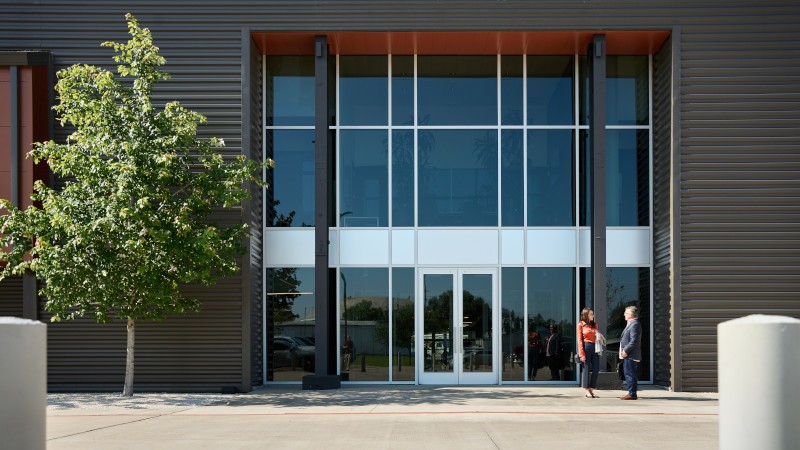
Nonprofit property insurance covers the physical assets an organization relies on to operate, including buildings, equipment, furniture, computers and program materials. It typically applies to covered losses caused by fire, theft, vandalism and certain weather-related events. Nonprofits that lease space may need separate coverage for contents and equipment not protected by a landlord's policy.
Whether your organization owns a facility, operates from leased space or manages multiple locations, nonprofit property insurance can help protect the buildings, technology, supplies and specialized equipment that support your mission and day-to-day operations.
Nonprofit property insurance protects the buildings, contents, equipment and supplies a nonprofit owns, leases or uses to carry out its mission. Like commercial property insurance, it helps cover repair or replacement costs when covered property is damaged by specified risks.
However, property insurance for nonprofit organizations often reflects the unique needs of mission-driven operations. You may also hear it referred to as commercial property insurance for nonprofits, business property insurance for nonprofits or property coverage for nonprofit organizations. Regardless of the term, the purpose is the same: protecting the physical assets that support your mission.
Nonprofits may also rely on donated property, grant-funded assets, community-use facilities and specialized equipment that should be considered when determining coverage limits.
Examples of covered property may include:
Property coverage is one part of a broader insurance strategy. Organizations evaluating their overall protection should also consider what type of insurance does a nonprofit need, including liability, vehicle and other specialized coverages.
Property insurance for nonprofits typically covers buildings, business personal property, equipment, program materials and other physical assets, depending on policy terms.
Most policies are designed to protect those assets from common causes of loss, such as theft, vandalism and certain types of weather-related damage.
If your nonprofit owns its facility, property coverage can help pay for repairs or rebuilding following covered damage. For many organizations, nonprofit building insurance helps reduce the financial impact of fire, wind, vandalism and other covered events.
This may include:
Many nonprofits rely on computers, technology, furniture and specialized tools to deliver services. Coverage for nonprofit-owned equipment and other business personal property can help organizations recover more quickly following a covered loss.
Mission delivery often depends on materials used for education, outreach, worship, community events and direct services.
Coverage may apply to:
Because these assets often represent significant investments of time and donor support, protecting them is important.
Property coverage may help reimburse losses involving stolen or vandalized property when covered by the policy. For nonprofits operating in community-access environments, this protection can help maintain continuity.
Many policies cover weather-related risks such as wind, hail and storms. Because coverage varies by location, insurer and policy terms, organizations should review policy details to understand covered events and where additional protection may be needed.
Nonprofit property insurance does not cover every type of loss. Common exclusions may include normal wear and tear, poor maintenance, cyber incidents, certain floods, earthquakes and liability claims, depending on the policy.
Common exclusions may include:
For example, a roof deteriorating due to age is generally considered a maintenance issue rather than a covered loss. Cyberattacks that compromise data or computer systems are typically addressed through cyber liability coverage rather than property insurance.
Property insurance also differs from liability protection. While property coverage protects physical assets, nonprofit liability insurance helps address claims involving bodily injury, property damage to others and legal defense costs.
Reviewing exclusions regularly can help identify potential coverage gaps before a loss occurs.
Renting a building does not eliminate the need for property coverage. While a landlord's policy generally protects the structure, nonprofits often need their own leased-space or contents coverage for furniture, computers, equipment and program materials.
A nonprofit tenant may still own or lease:
Lease agreements often require tenants to maintain certain insurance coverages. Reviewing lease requirements with an insurance professional can help ensure compliance and adequate protection.
The cost of nonprofit property insurance depends on factors such as property value, building characteristics, location, claims history, coverage limits and deductibles. Additional considerations may include fire protection systems, security measures, building updates, local weather risks and the number of insured locations.
Property value is one of the largest pricing drivers, which is why a nonprofit with a small leased office may have very different insurance costs than an organization that owns multiple buildings and specialized equipment. Because every organization's property portfolio and risk profile differs, there is no standard cost.
Although lower values may reduce premiums initially, underestimating replacement values can create significant problems at claim time. Organizations should focus on securing coverage limits that accurately reflect replacement costs rather than simply choosing the lowest premium.
Nonprofits can reduce the risk of being underinsured by reviewing replacement costs regularly, maintaining accurate inventories and updating coverage limits as assets and property values change.
Being underinsured means coverage limits are insufficient to repair, rebuild or replace property after a major loss. This often occurs when limits no longer reflect current replacement costs, potentially forcing organizations to divert donor funds, reduce services or delay recovery efforts.
Create a detailed inventory of:
Keep records of purchase dates, estimated values and supporting documentation. A complete inventory helps estimate replacement costs and confirm coverage limits remain adequate over time.
Construction costs, labor expenses and equipment prices can change significantly over time. Annual reviews help ensure coverage reflects current replacement costs rather than outdated estimates that could leave an organization underinsured after a major loss.
Many nonprofits receive donated furniture, computers and equipment. These assets should be included in insurance evaluations and replacement cost calculations to help avoid coverage gaps after a loss.
Coverage limits should reflect what it would cost to repair, rebuild or replace property today, not what an asset originally cost when purchased or donated. Reviewing replacement values regularly can help coverage keep pace with inflation and changing construction and equipment costs.
Renovations, facility expansions and technology upgrades can increase property values. Whenever significant investments are made, update property schedules and coverage limits accordingly. Regular policy reviews can help identify changing exposures, evaluate replacement costs and strengthen overall nonprofit insurance and risk management efforts.
Organizations looking for broader guidance can also explore the Church Mutual nonprofit insurance hub for insurance solutions and risk management resources tailored to nonprofit operations.
Expert reviewed by: Elisabeth Aleman, Assistant Vice President – Nonprofit, Human Services and Recreation. Elisabeth brings more than 20 years of experience in underwriting, risk management and insurance leadership.
Nonprofit property insurance covers physical assets such as buildings, equipment, furniture, computers and program materials. Coverage commonly applies to fire, theft, vandalism and certain weather events. Nonprofits that lease space may also need separate contents and equipment coverage.
Yes. A landlord's insurance generally protects the building, not a nonprofit's furniture, equipment, computers or program materials. Many leases also require tenants to carry their own contents and equipment coverage.
Building coverage protects the physical structure of a property, while contents coverage protects movable assets such as furniture, computers, equipment and program materials. Organizations that own facilities often need both, while tenants typically only need contents coverage.
The basic principles are similar, but nonprofit property insurance is designed around the needs of mission-driven organizations. It may account for donated equipment, grant-funded assets, community-use facilities and other nonprofit-specific exposures not always addressed by standard commercial property policies.