Hurricane Isaias:
If you were impacted by the storm, here's
key recovery considerations for the days and weeks ahead
Church Mutual Insurance
Insurance
By Industry
Houses of WorshipNonprofit & Human Services OrganizationsCamps, Sports & Outdoor RecreationEducation & Schools
By Coverage
Specialized CoverageProperty CoverageLiability CoverageWorkers’ Compensation
Resources
Risk Control
View AllChecklists & GuidesSafety ProductsVideos
Articles
View AllCamps, Sports, and Outdoor RecreationEducation and SchoolsHouses of WorshipNonprofit and Human Services
Partner Services
View AllNurse HotlineTelemedicineBackground Checks
Additional Resources
Customer CenterBroker CenterFAQs
Support
Get In Touch
ChatContact Options800-554-2642
Additional Support
Claims CenterPremium AuditPayment CenterFind Your Local RepBroker Center
About
Who We Are
Why Church MutualHistoryLeadershipTestimonialsCM CARES®Newsroom
Careers
Job OpeningsWorking HereCareer AreasDiversity & InclusionBenefitsEarly Career
pay a bill
Pay online:
Make A Payment
Visit our Payment Center for more info. We’ve upgraded our payment system. Read our FAQs for details.
File a Claim
Start Your Claim
Questions? Visit our Claims Center for more info.
Log In
Customer Accounts:
Customer Log In
CREATE ACCOUNT
Broker Accounts:
BROKER LOG IN
CREATE ACCOUNT
search
I’m looking for…
Questions? Check out our FAQs for more info.
Start a Quote
My organization is a
Thank you! Your submission has been received!
Oops! Something went wrong while submitting the form.
Start a Quote
US flagChurch Mutual gives backUS flag
Articles
Camps Sports & Outdoor Recreation
Education & Schools
Houses of Worship
Nonprofit & Human Services Organizations
Fire Preparedness & Prevention
Articles
Camps Sports & Outdoor Recreation
Education & Schools
Houses of Worship
Nonprofit & Human Services Organizations
Fire Preparedness & Prevention
11/19/2024
Information

Simple tips to help prevent candle fires

Simple tips to help prevent candle fires

While candles can be a beautiful addition to a worship space, they pose a major risk. In 2023, several Church Mutual customers experienced catastrophic losses when they left candles burning unattended, leading to a fire.

There are several flameless alternatives to traditional wax candles that can be considered, including electric candles and LED lights, among others.  Still, there are houses of worship that find burning candles to be an important part of religious ceremony. The National Candle Association, a coalition of more than 100 candle manufacturers across the United States, emphasizes the importance of practicing candle safety any time you use this open flame. The following are some guidelines for when you are incorporating candles into your worship service:

Before lighting your candles

  • Trim the wick – Long wicks can cause dripping, flaring or uneven burning, which becomes a fire risk. Use a wick trimmer, scissors or nail clippers to trim the wick to ¼ inch.‍
  • Clear the wax pool – Sometimes, wick trimmings or other debris will accumulate in the area where the candle wax drips. This can cause the wax to overflow or drip unevenly, so you should always clean it out before using the candle.
  • ‍Avoid makeshift candle holders – Always use containers that are specifically designed for candles. The containers should be heat-resistant and large enough to hold all the melted wax. If melted wax overflows and drips on other surfaces in your house of worship, it could start a fire.

While burning your candles

  • Never leave them unattended – If you are using them during a worship service, snuff them out immediately after the service is finished. Designate a person whose job it is to check for the candles—otherwise, they might get forgotten in busyness of people coming in and out of the worship space.
  • Place them at least three inches from each other – If they are too close, they could start melting one another, which could create a dangerous situation with the wax. They also might create their own drafts.
  • Keep an eye on your flame – If it becomes too high or flickers repeatedly, let the candle cool, trim the wick and check for unwanted drafts before re-lighting.

When extinguishing your candles

  • Use a candle snuffer – That’s the safest way to stop hot wax from splattering, thereby causing a potential fire hazard.
  • Check the candle – There are times when you might think a candle is out, but there is still a glowing ember. That is when you are at risk for a fire.
  • Avoid using water – Water can cause hot wax to splatter. It also could break the glass container in which the candle is housed or cause a crack, which could create a problem the next time you are trying to use the candle.
Click here to access additional fire preparedness and prevention articles, resources and more designed to help you manage risk and protect your people, property and purpose.

‍

The information contained in these materials is intended solely to provide general guidance on topics that may be of interest to you. While we have made reasonable efforts to present accurate and reliable information, Church Mutual Insurance Company, S.I. and its affiliates disclaim all liability for any errors or omissions or for any actions you take or fail to take based on these materials. The information provided may not apply to your particular facts or circumstances; therefore, you should seek professional advice prior to relying on any information that may be found in these materials.
Share this article with others:
FacebookLinkedinMailLink
URL copied to clipboard!
Explore more risk resources:
By Category
ArticlesChecklists &GuidesSafety ProductsVideos
By Organization
Camps, Sports & Outdoor RecreationEducation & SchoolsHouses of WorshipNonprofit & Human Service Organizations
By Topic
Buildings & GroundsBusiness PlanningCOVID-19 Response & RecoveryCybersecurityFinancial TipsFire Preparedness & PreventionInjury & Illness PreventionMaintenanceSecurity & Crime PreventionSevere Weather PreparednessSexual Abuse PreventionStaff & Volunteer Safety & ManagementTransportation SafetyTravel

Related Risk Management Articles

view all articles
Fire Preparedness and Prevention: Your Guide to Protecting Your OrganizationFire Preparedness and Prevention: Your Guide to Protecting Your Organization

Fire Preparedness and Prevention: Your Guide to Protecting Your Organization

read the article
Arrow
Evacuation safetyEvacuation safety

Evacuation safety

read the article
Arrow
Brilliant displays, smart precautions: Fireworks safety for your next eventBrilliant displays, smart precautions: Fireworks safety for your next event

Brilliant displays, smart precautions: Fireworks safety for your next event

read the article
Arrow
Articles
Camps Sports & Outdoor Recreation
Education & Schools
Houses of Worship
Nonprofit & Human Services Organizations
Fire Preparedness & Prevention

Simple tips to help prevent candle fires

While candles can be a beautiful addition to a worship space, they pose a major risk. In 2023, several Church Mutual customers experienced catastrophic losses when they left candles burning unattended, leading to a fire.

There are several flameless alternatives to traditional wax candles that can be considered, including electric candles and LED lights, among others.  Still, there are houses of worship that find burning candles to be an important part of religious ceremony. The National Candle Association, a coalition of more than 100 candle manufacturers across the United States, emphasizes the importance of practicing candle safety any time you use this open flame. The following are some guidelines for when you are incorporating candles into your worship service:

Before lighting your candles

  • Trim the wick – Long wicks can cause dripping, flaring or uneven burning, which becomes a fire risk. Use a wick trimmer, scissors or nail clippers to trim the wick to ¼ inch.‍
  • Clear the wax pool – Sometimes, wick trimmings or other debris will accumulate in the area where the candle wax drips. This can cause the wax to overflow or drip unevenly, so you should always clean it out before using the candle.
  • ‍Avoid makeshift candle holders – Always use containers that are specifically designed for candles. The containers should be heat-resistant and large enough to hold all the melted wax. If melted wax overflows and drips on other surfaces in your house of worship, it could start a fire.

While burning your candles

  • Never leave them unattended – If you are using them during a worship service, snuff them out immediately after the service is finished. Designate a person whose job it is to check for the candles—otherwise, they might get forgotten in busyness of people coming in and out of the worship space.
  • Place them at least three inches from each other – If they are too close, they could start melting one another, which could create a dangerous situation with the wax. They also might create their own drafts.
  • Keep an eye on your flame – If it becomes too high or flickers repeatedly, let the candle cool, trim the wick and check for unwanted drafts before re-lighting.

When extinguishing your candles

  • Use a candle snuffer – That’s the safest way to stop hot wax from splattering, thereby causing a potential fire hazard.
  • Check the candle – There are times when you might think a candle is out, but there is still a glowing ember. That is when you are at risk for a fire.
  • Avoid using water – Water can cause hot wax to splatter. It also could break the glass container in which the candle is housed or cause a crack, which could create a problem the next time you are trying to use the candle.
Click here to access additional fire preparedness and prevention articles, resources and more designed to help you manage risk and protect your people, property and purpose.

‍

The information contained in these materials is intended solely to provide general guidance on topics that may be of interest to you. While we have made reasonable efforts to present accurate and reliable information, Church Mutual Insurance Company, S.I. and its affiliates disclaim all liability for any errors or omissions or for any actions you take or fail to take based on these materials. The information provided may not apply to your particular facts or circumstances; therefore, you should seek professional advice prior to relying on any information that may be found in these materials.

Related Risk Management Videos

view all videos
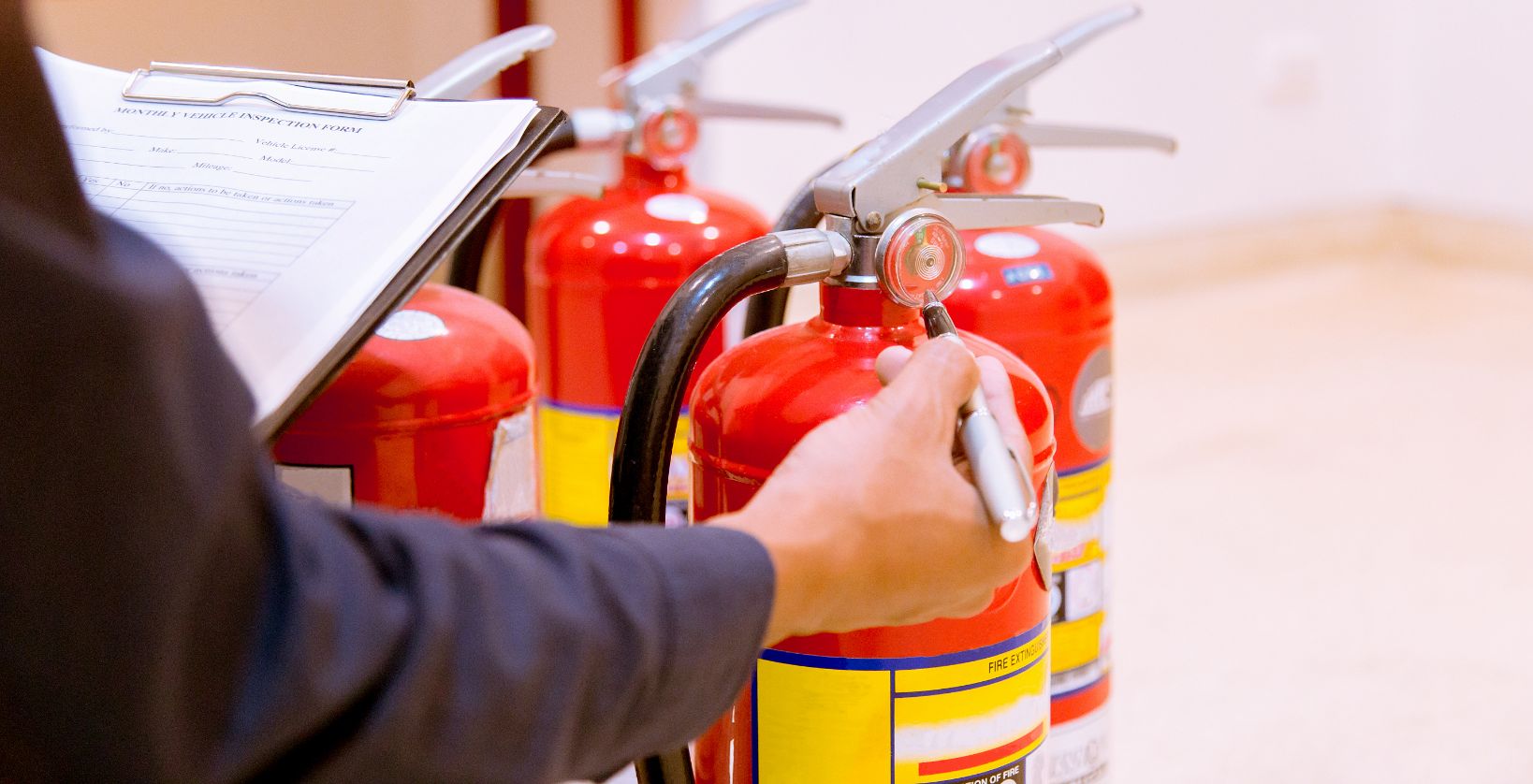
Fire Preparedness & PreventionFire Preparedness & Prevention

Fire Preparedness & Prevention

Watch the Video
Arrow
Articles
Information
Safety Products are NO COST for Church Mutual customers.

Simple tips to help prevent candle fires

first-time enrollment
order additional devices
Order In Portal
Simple tips to help prevent candle fires

Related Risk Management Safety Products

view all safety products
CM Wildfire Solutions™CM Wildfire Solutions™

CM Wildfire Solutions™

Learn More & Order
Arrow
Articles
Camps Sports & Outdoor Recreation
Education & Schools
Houses of Worship
Nonprofit & Human Services Organizations
Fire Preparedness & Prevention

Simple tips to help prevent candle fires

download now
open in a new tab
Simple tips to help prevent candle fires

While candles can be a beautiful addition to a worship space, they pose a major risk. In 2023, several Church Mutual customers experienced catastrophic losses when they left candles burning unattended, leading to a fire.

There are several flameless alternatives to traditional wax candles that can be considered, including electric candles and LED lights, among others.  Still, there are houses of worship that find burning candles to be an important part of religious ceremony. The National Candle Association, a coalition of more than 100 candle manufacturers across the United States, emphasizes the importance of practicing candle safety any time you use this open flame. The following are some guidelines for when you are incorporating candles into your worship service:

Before lighting your candles

  • Trim the wick – Long wicks can cause dripping, flaring or uneven burning, which becomes a fire risk. Use a wick trimmer, scissors or nail clippers to trim the wick to ¼ inch.‍
  • Clear the wax pool – Sometimes, wick trimmings or other debris will accumulate in the area where the candle wax drips. This can cause the wax to overflow or drip unevenly, so you should always clean it out before using the candle.
  • ‍Avoid makeshift candle holders – Always use containers that are specifically designed for candles. The containers should be heat-resistant and large enough to hold all the melted wax. If melted wax overflows and drips on other surfaces in your house of worship, it could start a fire.

While burning your candles

  • Never leave them unattended – If you are using them during a worship service, snuff them out immediately after the service is finished. Designate a person whose job it is to check for the candles—otherwise, they might get forgotten in busyness of people coming in and out of the worship space.
  • Place them at least three inches from each other – If they are too close, they could start melting one another, which could create a dangerous situation with the wax. They also might create their own drafts.
  • Keep an eye on your flame – If it becomes too high or flickers repeatedly, let the candle cool, trim the wick and check for unwanted drafts before re-lighting.

When extinguishing your candles

  • Use a candle snuffer – That’s the safest way to stop hot wax from splattering, thereby causing a potential fire hazard.
  • Check the candle – There are times when you might think a candle is out, but there is still a glowing ember. That is when you are at risk for a fire.
  • Avoid using water – Water can cause hot wax to splatter. It also could break the glass container in which the candle is housed or cause a crack, which could create a problem the next time you are trying to use the candle.
Click here to access additional fire preparedness and prevention articles, resources and more designed to help you manage risk and protect your people, property and purpose.

‍

The information contained in these materials is intended solely to provide general guidance on topics that may be of interest to you. While we have made reasonable efforts to present accurate and reliable information, Church Mutual Insurance Company, S.I. and its affiliates disclaim all liability for any errors or omissions or for any actions you take or fail to take based on these materials. The information provided may not apply to your particular facts or circumstances; therefore, you should seek professional advice prior to relying on any information that may be found in these materials.
download now
open in a new tab

Related Risk Management Checklists & Guides

view all checklists & guides
Fire Preparedness Tabletop ExerciseSimple tips to help prevent candle fires

Fire Preparedness Tabletop Exercise

Get the Guide
Arrow
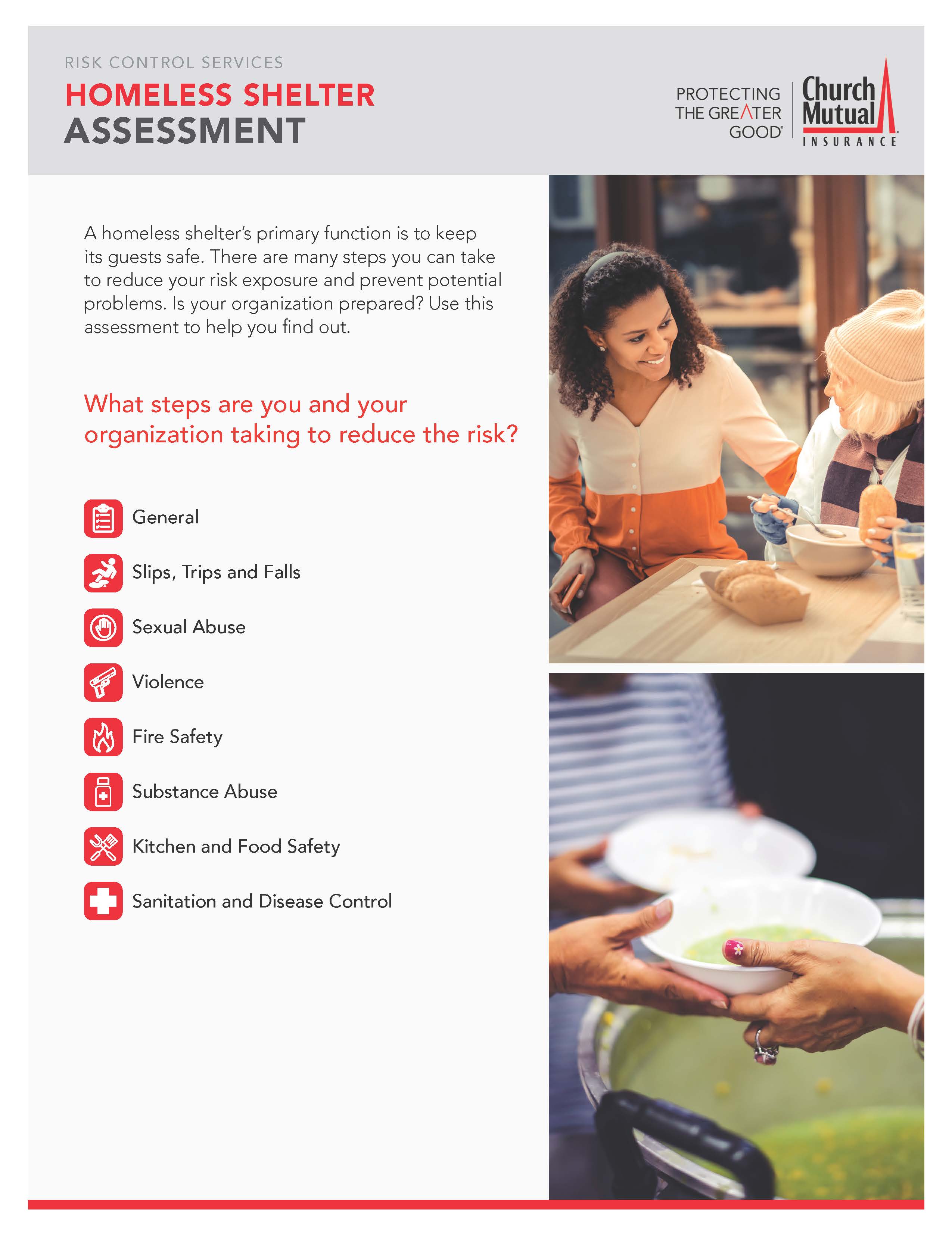
Homeless Shelter AssessmentSimple tips to help prevent candle fires

Homeless Shelter Assessment

Get the Guide
Arrow
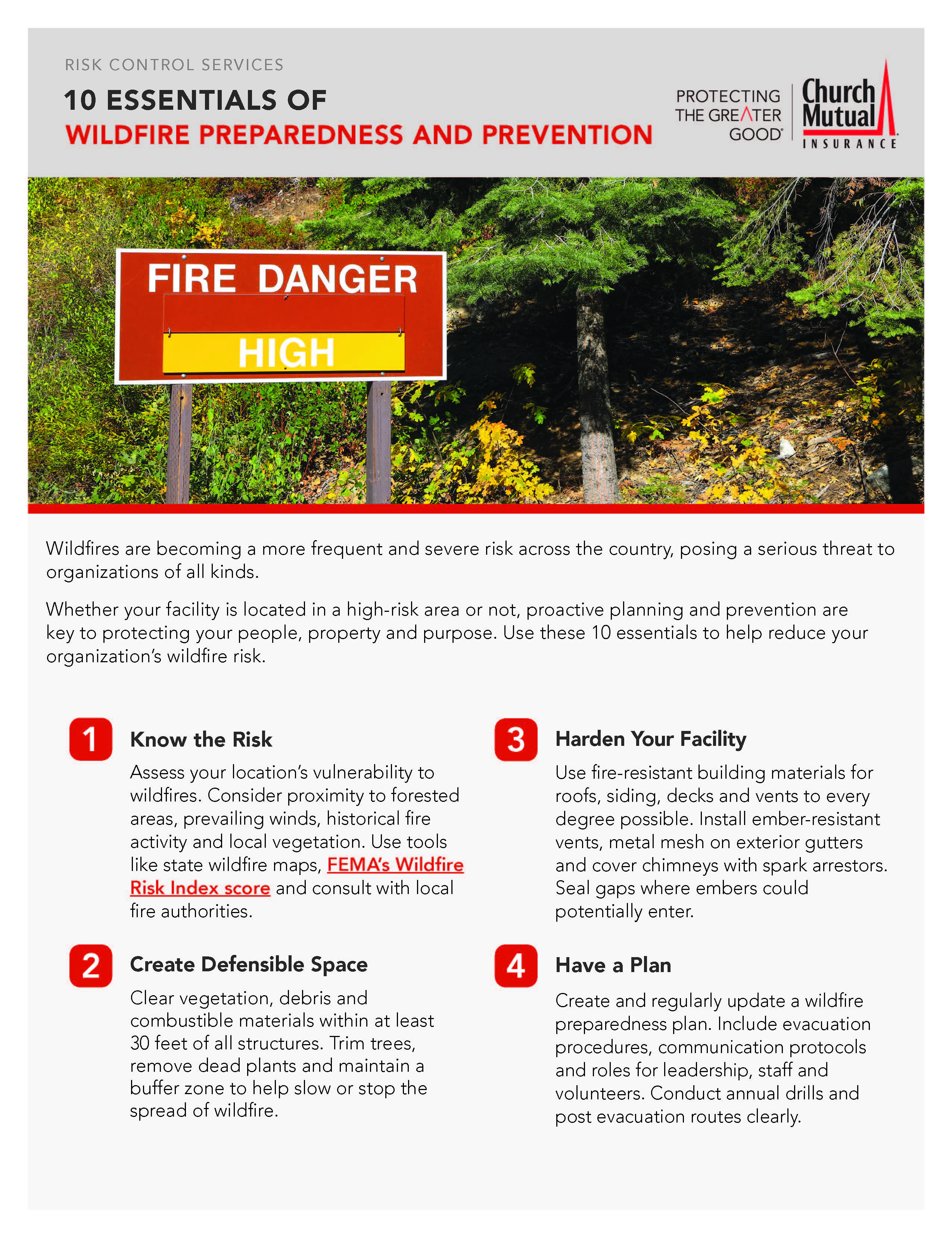
10 Essentials of Wildfire Preparedness and PreventionSimple tips to help prevent candle fires

10 Essentials of Wildfire Preparedness and Prevention

Get the Guide
Arrow
Church Mutual Insurance
Facebook
LinkedIn
Youtube
Instagram
800-554-2642
Quick Links
Request a QuotePay a BillFile a ClaimFind Your Local Rep
Get Answers
Contact UsClaims CenterPayment CenterCustomer CenterBroker CenterNewsroom
Careers
Job OpeningsWorking HereCareer AreasDiversity & InclusionBenefitsEarly Career
Site Map
|
Consent Preferences
|
Legal & Privacy Policy

Church Mutual Insurance Company, S.I. (a stock insurer) | P.O. Box 357 | 3000 Schuster Lane | Merrill, WI 54452-0357 | Telephone (800) 554-2642 or (715) 536-5577
© 2026 Church Mutual Insurance Company, S.I. All rights reserved. Protecting the Greater Good is a registered trademark of Church Mutual Insurance Company, S.I.

¹ Church Mutual is a stock insurer whose policyholders are members of the parent mutual holding company formed on 1/1/20. S.I. = a stock insurer.