Hurricane Isaias:
If you were impacted by the storm, here's
key recovery considerations for the days and weeks ahead

Welcome to your definitive guide to staff and volunteer safety and management—a vital resource for anyone responsible for overseeing the well-being and coordination of teams, especially in settings as diverse as houses of worship, nonprofits, schools and camps.
In this guide, we’ll explore the critical strategies that safeguard and empower your most valuable asset—your people. By adhering to the principles outlined here, you'll foster a culture of safety and enthusiasm, minimize risks and enhance team cohesion. Let’s work toward ensuring your staff and volunteers are not only protected but are also thriving, engaged and motivated year-round!
Keeping your staff and volunteers safe and well-managed is not only the right thing to do — it’s also key to maintaining a strong, successful organization. Your team members are the backbone of your organization, and prioritizing their health, safety and overall satisfaction extends beyond merely meeting standards. It’s about crafting an environment in which everyone feels valued and secure. The extensive advantages of prioritizing your team include:
Let’s continue with essential strategies to ensure the safety and effective management of your staff and volunteers. From comprehensive training to creating a safety-first culture, each element is designed to not only protect but also enhance the functionality and cohesion of your team.
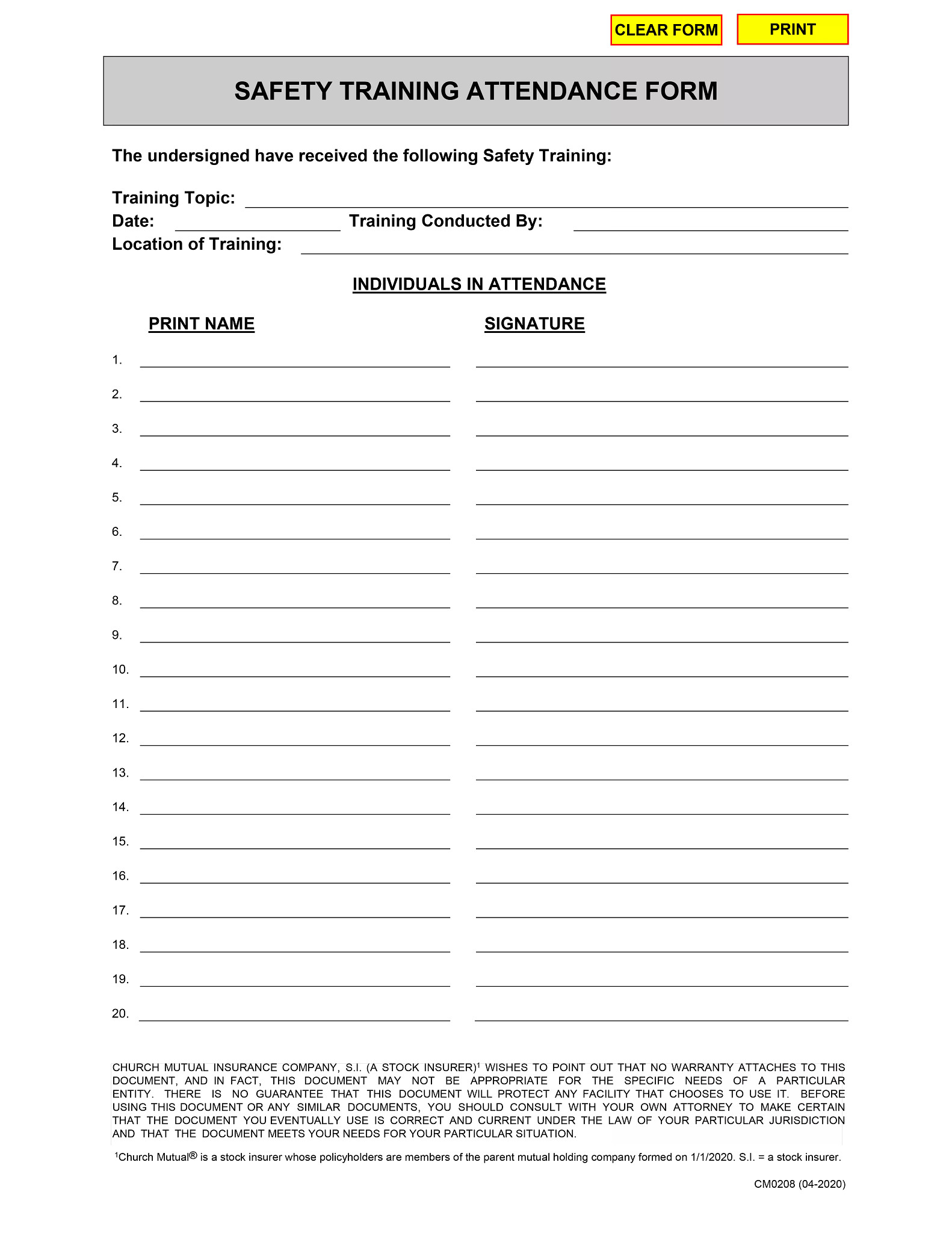
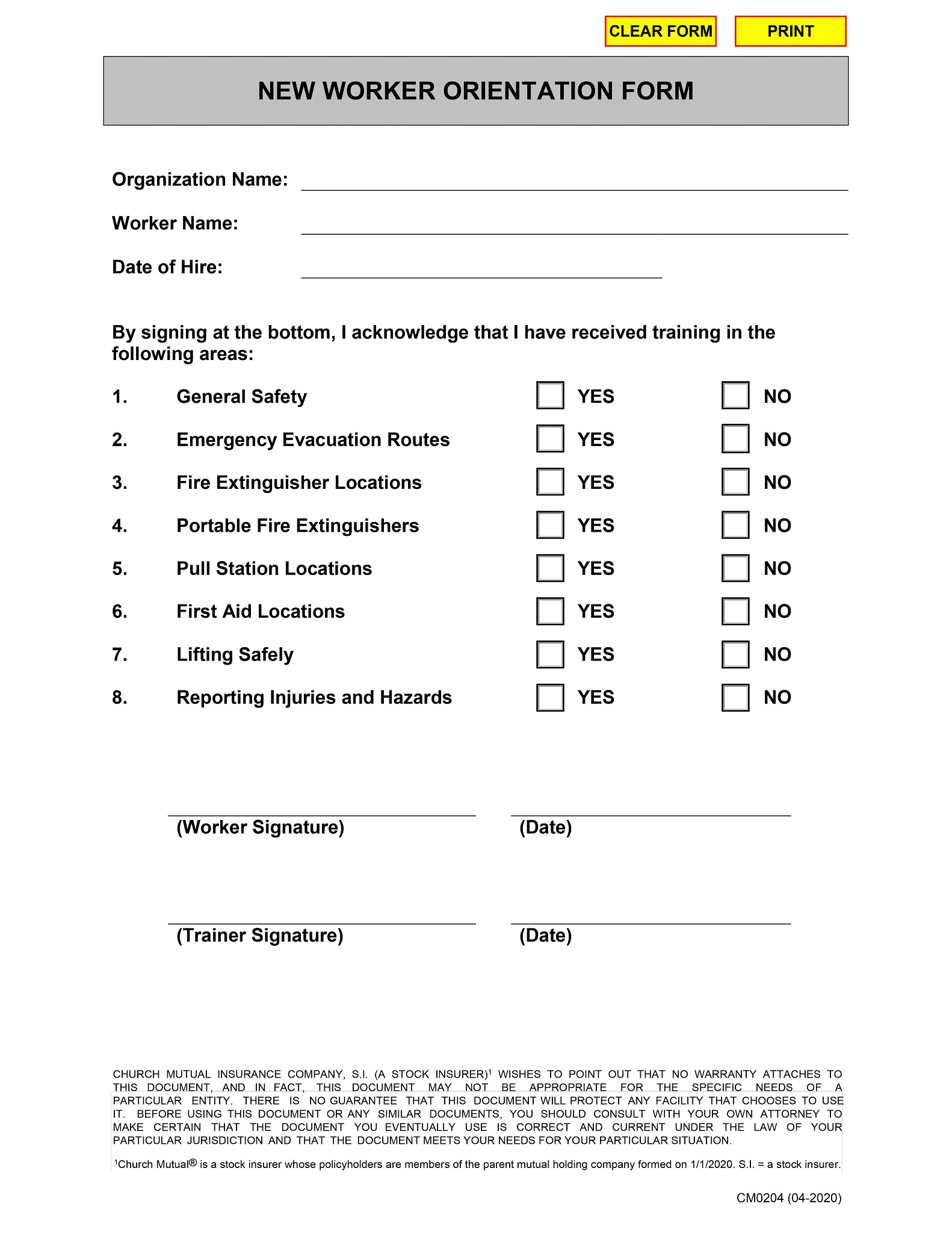
The cornerstone of a robust safety and management strategy is a comprehensive training program. Regular and thorough training sessions are crucial because they ensure every member of your team is knowledgeable about safety protocols, understands their specific roles and is equipped to handle their responsibilities effectively. This foundational training not only minimizes the risk of accidents but also boosts confidence and competence among staff and volunteers.
This is critical in preparing your team for unforeseen events. Training everyone in basic first aid, CPR and emergency evacuation procedures can make a significant difference in managing accidents and crises effectively. Tailoring this training to specific scenarios that could arise in your environment makes your team even more prepared.
Each role within an organization carries unique responsibilities and risks. Providing training that is specific to the duties of each position ensures staff and volunteers are not only effective but also safe while performing their tasks. For instance, a volunteer assigned to handle kitchen equipment like industrial mixers or stoves would need detailed safety and operational training, which wouldn't apply to those working in administrative roles.
The landscape of safety standards and operational procedures is constantly evolving. Offering ongoing training sessions helps keep your team up to date with the latest best practices and technologies. This can include workshops on new software tools, updates on regulatory changes or even guest speakers who specialize in industry-specific safety and management topics.
By investing in these varied training programs, organizations can create a proactive culture of safety and continuous improvement. This not only protects the organization legally and operationally but also demonstrates a commitment to the well-being and professional growth of every individual involved.
A safety-first culture is one in which every decision and action is guided by the principle of maintaining safety above all else. This approach doesn't just apply to reacting when things go wrong — it's about proactive prevention, making sure safety is integrated into every aspect of your organization's operations.
In a safety-first environment, safety signs and instructions are visible throughout the facilities. Meetings and communications frequently address safety topics, reinforcing their importance. Safety protocols are not just followed; they are habits ingrained in the daily routines of all team members. Furthermore, leadership sets the tone by consistently prioritizing safety in their decision-making and resource allocation.
By embedding these practices into the fabric of your organization, you create a sustainable safety-first culture. This not only reduces the likelihood of accidents and incidents but also promotes a safer, more supportive environment for everyone involved.
Regular evaluations of workplace safety and volunteer activities are essential to identify potential hazards and implement corrective actions. By integrating these risk assessments and audits into the regular operations of your organization, you can maintain a proactive stance on safety and compliance, thereby safeguarding your staff, volunteers and the overall integrity of your operations.
Keeping your organization safe and compliant starts with a solid plan for regular audits. Let's dive into a straightforward, step-by-step guide on how to put effective auditing processes into action, ensuring every corner of your operation is up to par:
Creating a "feedback-rich" environment means establishing a culture in which open and constructive feedback is not only encouraged but also regularly sought and valued. This type of environment supports continuous learning and adaptation, which are essential for organizational growth and safety enhancement. A feedback-rich environment is characterized by:
Creating a feedback-rich environment is transformative. It not only enhances safety by catching risks early but also boosts morale as team members see their input making a real difference. Furthermore, it sparks innovation and helps the organization stay adaptable, turning challenges into opportunities for growth.
To harness the power of feedback, it's crucial to establish clear and accessible channels for it. Regular feedback sessions, effective training for managers on feedback techniques and a commitment to act on the insights gathered pave the way for continuous improvement. Celebrating successes further fuels the cycle of positive change, emphasizing the impact of everyone’s contributions.
Ensuring the safety and effective management of staff and volunteers can vary significantly depending on the type of organization. Below, we list a few tailored approaches for houses of worship, nonprofits, schools and camps, addressing their unique environments and challenges.
Houses of worship not only serve as spiritual centers but also as community hubs, which means they often host a diverse range of activities and events. Key safety and management considerations include:
Nonprofits and human services organizations operate in varied fields, each with its own specific risks and management needs. Effective safety and management practices for these organizations include:
Schools are dynamic environments in which safety and management are particularly critical due to the presence of children and young adults. Essential strategies include:
Camps provide unique recreational and educational experiences in often remote or outdoor settings, requiring specific safety measures and management strategies:
Managing the safety and well-being of staff and volunteers extends beyond mere compliance—it's a foundational aspect of organizational success. By adopting the safety and management strategies outlined in this guide, you not only ensure a protective environment but also foster a culture of engagement and productivity. From detailed training programs to the creation of a safety-first ethos, each initiative contributes significantly to the overall effectiveness of your organization.
Partnering with a dedicated insurance provider like Church Mutual can further elevate these efforts. We offer tailored insurance solutions and resources specifically designed for the unique needs of houses of worship, nonprofits, schools and camps. Our expertise is crucial in supporting your organization through the complexities of safety and volunteer management, ensuring your team is well-protected and your operations run smoothly. Partner with us to enhance your strategies and secure a safe, efficient and welcoming environment for all members of your community.
Still have questions? Check out our FAQs below to get more insights on protecting and managing your staff and volunteers. From safety protocols to creating a supportive environment, we've got you covered!
1. Why is staff and volunteer safety important?
Ensuring the safety of staff and volunteers reduces the risk of workplace accidents and injuries, boosts morale, increases productivity and helps maintain a strong, successful organization.
2. What are the key benefits of prioritizing staff and volunteer management?
Benefits include enhanced safety, increased productivity, improved morale, reduced turnover, legal compliance, enhanced reputation, better crisis management and financial savings.
3. How can we create a safety-first culture in our organization?
A safety-first culture involves visible safety signs, regular safety training, clear communication of safety protocols, leadership involvement, employee engagement, volunteer screenings, positive reinforcement and continuous improvement.
4. What types of training should we provide to our staff and volunteers?
Training should include emergency response training (first aid, CPR, evacuation procedures), role-specific tasks and ongoing educational opportunities to keep up with evolving safety standards and best practices.
5. How can we effectively manage volunteers with diverse backgrounds and skills?
Tailor training programs to accommodate diverse skills, establish clear incident reporting systems, ensure accessibility for volunteers with disabilities and foster an inclusive environment.
6. What are some strategies for regular risk assessments and audits?
Conduct workplace safety audits, ergonomic assessments, environmental audits, fire safety inspections, security assessments, volunteer activity reviews and compliance audits to identify potential hazards and implement corrective actions.
7. How can feedback improve our safety and management practices?
Creating a feedback-rich environment allows for open communication, regular feedback opportunities, responsive leadership and transparency. This enhances safety, boosts morale, fosters innovation and helps the organization adapt to new challenges.
8. What specific safety measures should be implemented in schools?
Schools should conduct regular safety drills, adhere to strict child safety protocols, offer professional development for staff and ensure robust cleaning routines, especially in high-touch areas.
9. How can camps ensure the safety of their staff and volunteers?
Camps should provide outdoor safety skills training, implement weather preparedness plans, offer activity-specific training, ensure water quality and conduct regular safety checks on all facilities and equipment.
10. How can we effectively respond to emergencies in houses of worship?
Develop and regularly update emergency response plans, implement rigorous background checks for volunteers and conduct regular safety training sessions focusing on fire safety, medical emergencies and secure handling of ceremonial items.


Welcome to your definitive guide to staff and volunteer safety and management—a vital resource for anyone responsible for overseeing the well-being and coordination of teams, especially in settings as diverse as houses of worship, nonprofits, schools and camps.
In this guide, we’ll explore the critical strategies that safeguard and empower your most valuable asset—your people. By adhering to the principles outlined here, you'll foster a culture of safety and enthusiasm, minimize risks and enhance team cohesion. Let’s work toward ensuring your staff and volunteers are not only protected but are also thriving, engaged and motivated year-round!
Keeping your staff and volunteers safe and well-managed is not only the right thing to do — it’s also key to maintaining a strong, successful organization. Your team members are the backbone of your organization, and prioritizing their health, safety and overall satisfaction extends beyond merely meeting standards. It’s about crafting an environment in which everyone feels valued and secure. The extensive advantages of prioritizing your team include:
Let’s continue with essential strategies to ensure the safety and effective management of your staff and volunteers. From comprehensive training to creating a safety-first culture, each element is designed to not only protect but also enhance the functionality and cohesion of your team.
The cornerstone of a robust safety and management strategy is a comprehensive training program. Regular and thorough training sessions are crucial because they ensure every member of your team is knowledgeable about safety protocols, understands their specific roles and is equipped to handle their responsibilities effectively. This foundational training not only minimizes the risk of accidents but also boosts confidence and competence among staff and volunteers.
This is critical in preparing your team for unforeseen events. Training everyone in basic first aid, CPR and emergency evacuation procedures can make a significant difference in managing accidents and crises effectively. Tailoring this training to specific scenarios that could arise in your environment makes your team even more prepared.
Each role within an organization carries unique responsibilities and risks. Providing training that is specific to the duties of each position ensures staff and volunteers are not only effective but also safe while performing their tasks. For instance, a volunteer assigned to handle kitchen equipment like industrial mixers or stoves would need detailed safety and operational training, which wouldn't apply to those working in administrative roles.
The landscape of safety standards and operational procedures is constantly evolving. Offering ongoing training sessions helps keep your team up to date with the latest best practices and technologies. This can include workshops on new software tools, updates on regulatory changes or even guest speakers who specialize in industry-specific safety and management topics.
By investing in these varied training programs, organizations can create a proactive culture of safety and continuous improvement. This not only protects the organization legally and operationally but also demonstrates a commitment to the well-being and professional growth of every individual involved.
A safety-first culture is one in which every decision and action is guided by the principle of maintaining safety above all else. This approach doesn't just apply to reacting when things go wrong — it's about proactive prevention, making sure safety is integrated into every aspect of your organization's operations.
In a safety-first environment, safety signs and instructions are visible throughout the facilities. Meetings and communications frequently address safety topics, reinforcing their importance. Safety protocols are not just followed; they are habits ingrained in the daily routines of all team members. Furthermore, leadership sets the tone by consistently prioritizing safety in their decision-making and resource allocation.
By embedding these practices into the fabric of your organization, you create a sustainable safety-first culture. This not only reduces the likelihood of accidents and incidents but also promotes a safer, more supportive environment for everyone involved.
Regular evaluations of workplace safety and volunteer activities are essential to identify potential hazards and implement corrective actions. By integrating these risk assessments and audits into the regular operations of your organization, you can maintain a proactive stance on safety and compliance, thereby safeguarding your staff, volunteers and the overall integrity of your operations.
Keeping your organization safe and compliant starts with a solid plan for regular audits. Let's dive into a straightforward, step-by-step guide on how to put effective auditing processes into action, ensuring every corner of your operation is up to par:
Creating a "feedback-rich" environment means establishing a culture in which open and constructive feedback is not only encouraged but also regularly sought and valued. This type of environment supports continuous learning and adaptation, which are essential for organizational growth and safety enhancement. A feedback-rich environment is characterized by:
Creating a feedback-rich environment is transformative. It not only enhances safety by catching risks early but also boosts morale as team members see their input making a real difference. Furthermore, it sparks innovation and helps the organization stay adaptable, turning challenges into opportunities for growth.
To harness the power of feedback, it's crucial to establish clear and accessible channels for it. Regular feedback sessions, effective training for managers on feedback techniques and a commitment to act on the insights gathered pave the way for continuous improvement. Celebrating successes further fuels the cycle of positive change, emphasizing the impact of everyone’s contributions.
Ensuring the safety and effective management of staff and volunteers can vary significantly depending on the type of organization. Below, we list a few tailored approaches for houses of worship, nonprofits, schools and camps, addressing their unique environments and challenges.
Houses of worship not only serve as spiritual centers but also as community hubs, which means they often host a diverse range of activities and events. Key safety and management considerations include:
Nonprofits and human services organizations operate in varied fields, each with its own specific risks and management needs. Effective safety and management practices for these organizations include:
Schools are dynamic environments in which safety and management are particularly critical due to the presence of children and young adults. Essential strategies include:
Camps provide unique recreational and educational experiences in often remote or outdoor settings, requiring specific safety measures and management strategies:
Managing the safety and well-being of staff and volunteers extends beyond mere compliance—it's a foundational aspect of organizational success. By adopting the safety and management strategies outlined in this guide, you not only ensure a protective environment but also foster a culture of engagement and productivity. From detailed training programs to the creation of a safety-first ethos, each initiative contributes significantly to the overall effectiveness of your organization.
Partnering with a dedicated insurance provider like Church Mutual can further elevate these efforts. We offer tailored insurance solutions and resources specifically designed for the unique needs of houses of worship, nonprofits, schools and camps. Our expertise is crucial in supporting your organization through the complexities of safety and volunteer management, ensuring your team is well-protected and your operations run smoothly. Partner with us to enhance your strategies and secure a safe, efficient and welcoming environment for all members of your community.
Still have questions? Check out our FAQs below to get more insights on protecting and managing your staff and volunteers. From safety protocols to creating a supportive environment, we've got you covered!
1. Why is staff and volunteer safety important?
Ensuring the safety of staff and volunteers reduces the risk of workplace accidents and injuries, boosts morale, increases productivity and helps maintain a strong, successful organization.
2. What are the key benefits of prioritizing staff and volunteer management?
Benefits include enhanced safety, increased productivity, improved morale, reduced turnover, legal compliance, enhanced reputation, better crisis management and financial savings.
3. How can we create a safety-first culture in our organization?
A safety-first culture involves visible safety signs, regular safety training, clear communication of safety protocols, leadership involvement, employee engagement, volunteer screenings, positive reinforcement and continuous improvement.
4. What types of training should we provide to our staff and volunteers?
Training should include emergency response training (first aid, CPR, evacuation procedures), role-specific tasks and ongoing educational opportunities to keep up with evolving safety standards and best practices.
5. How can we effectively manage volunteers with diverse backgrounds and skills?
Tailor training programs to accommodate diverse skills, establish clear incident reporting systems, ensure accessibility for volunteers with disabilities and foster an inclusive environment.
6. What are some strategies for regular risk assessments and audits?
Conduct workplace safety audits, ergonomic assessments, environmental audits, fire safety inspections, security assessments, volunteer activity reviews and compliance audits to identify potential hazards and implement corrective actions.
7. How can feedback improve our safety and management practices?
Creating a feedback-rich environment allows for open communication, regular feedback opportunities, responsive leadership and transparency. This enhances safety, boosts morale, fosters innovation and helps the organization adapt to new challenges.
8. What specific safety measures should be implemented in schools?
Schools should conduct regular safety drills, adhere to strict child safety protocols, offer professional development for staff and ensure robust cleaning routines, especially in high-touch areas.
9. How can camps ensure the safety of their staff and volunteers?
Camps should provide outdoor safety skills training, implement weather preparedness plans, offer activity-specific training, ensure water quality and conduct regular safety checks on all facilities and equipment.
10. How can we effectively respond to emergencies in houses of worship?
Develop and regularly update emergency response plans, implement rigorous background checks for volunteers and conduct regular safety training sessions focusing on fire safety, medical emergencies and secure handling of ceremonial items.
Welcome to your definitive guide to staff and volunteer safety and management—a vital resource for anyone responsible for overseeing the well-being and coordination of teams, especially in settings as diverse as houses of worship, nonprofits, schools and camps.
In this guide, we’ll explore the critical strategies that safeguard and empower your most valuable asset—your people. By adhering to the principles outlined here, you'll foster a culture of safety and enthusiasm, minimize risks and enhance team cohesion. Let’s work toward ensuring your staff and volunteers are not only protected but are also thriving, engaged and motivated year-round!
Keeping your staff and volunteers safe and well-managed is not only the right thing to do — it’s also key to maintaining a strong, successful organization. Your team members are the backbone of your organization, and prioritizing their health, safety and overall satisfaction extends beyond merely meeting standards. It’s about crafting an environment in which everyone feels valued and secure. The extensive advantages of prioritizing your team include:
Let’s continue with essential strategies to ensure the safety and effective management of your staff and volunteers. From comprehensive training to creating a safety-first culture, each element is designed to not only protect but also enhance the functionality and cohesion of your team.
The cornerstone of a robust safety and management strategy is a comprehensive training program. Regular and thorough training sessions are crucial because they ensure every member of your team is knowledgeable about safety protocols, understands their specific roles and is equipped to handle their responsibilities effectively. This foundational training not only minimizes the risk of accidents but also boosts confidence and competence among staff and volunteers.
This is critical in preparing your team for unforeseen events. Training everyone in basic first aid, CPR and emergency evacuation procedures can make a significant difference in managing accidents and crises effectively. Tailoring this training to specific scenarios that could arise in your environment makes your team even more prepared.
Each role within an organization carries unique responsibilities and risks. Providing training that is specific to the duties of each position ensures staff and volunteers are not only effective but also safe while performing their tasks. For instance, a volunteer assigned to handle kitchen equipment like industrial mixers or stoves would need detailed safety and operational training, which wouldn't apply to those working in administrative roles.
The landscape of safety standards and operational procedures is constantly evolving. Offering ongoing training sessions helps keep your team up to date with the latest best practices and technologies. This can include workshops on new software tools, updates on regulatory changes or even guest speakers who specialize in industry-specific safety and management topics.
By investing in these varied training programs, organizations can create a proactive culture of safety and continuous improvement. This not only protects the organization legally and operationally but also demonstrates a commitment to the well-being and professional growth of every individual involved.
A safety-first culture is one in which every decision and action is guided by the principle of maintaining safety above all else. This approach doesn't just apply to reacting when things go wrong — it's about proactive prevention, making sure safety is integrated into every aspect of your organization's operations.
In a safety-first environment, safety signs and instructions are visible throughout the facilities. Meetings and communications frequently address safety topics, reinforcing their importance. Safety protocols are not just followed; they are habits ingrained in the daily routines of all team members. Furthermore, leadership sets the tone by consistently prioritizing safety in their decision-making and resource allocation.
By embedding these practices into the fabric of your organization, you create a sustainable safety-first culture. This not only reduces the likelihood of accidents and incidents but also promotes a safer, more supportive environment for everyone involved.
Regular evaluations of workplace safety and volunteer activities are essential to identify potential hazards and implement corrective actions. By integrating these risk assessments and audits into the regular operations of your organization, you can maintain a proactive stance on safety and compliance, thereby safeguarding your staff, volunteers and the overall integrity of your operations.
Keeping your organization safe and compliant starts with a solid plan for regular audits. Let's dive into a straightforward, step-by-step guide on how to put effective auditing processes into action, ensuring every corner of your operation is up to par:
Creating a "feedback-rich" environment means establishing a culture in which open and constructive feedback is not only encouraged but also regularly sought and valued. This type of environment supports continuous learning and adaptation, which are essential for organizational growth and safety enhancement. A feedback-rich environment is characterized by:
Creating a feedback-rich environment is transformative. It not only enhances safety by catching risks early but also boosts morale as team members see their input making a real difference. Furthermore, it sparks innovation and helps the organization stay adaptable, turning challenges into opportunities for growth.
To harness the power of feedback, it's crucial to establish clear and accessible channels for it. Regular feedback sessions, effective training for managers on feedback techniques and a commitment to act on the insights gathered pave the way for continuous improvement. Celebrating successes further fuels the cycle of positive change, emphasizing the impact of everyone’s contributions.
Ensuring the safety and effective management of staff and volunteers can vary significantly depending on the type of organization. Below, we list a few tailored approaches for houses of worship, nonprofits, schools and camps, addressing their unique environments and challenges.
Houses of worship not only serve as spiritual centers but also as community hubs, which means they often host a diverse range of activities and events. Key safety and management considerations include:
Nonprofits and human services organizations operate in varied fields, each with its own specific risks and management needs. Effective safety and management practices for these organizations include:
Schools are dynamic environments in which safety and management are particularly critical due to the presence of children and young adults. Essential strategies include:
Camps provide unique recreational and educational experiences in often remote or outdoor settings, requiring specific safety measures and management strategies:
Managing the safety and well-being of staff and volunteers extends beyond mere compliance—it's a foundational aspect of organizational success. By adopting the safety and management strategies outlined in this guide, you not only ensure a protective environment but also foster a culture of engagement and productivity. From detailed training programs to the creation of a safety-first ethos, each initiative contributes significantly to the overall effectiveness of your organization.
Partnering with a dedicated insurance provider like Church Mutual can further elevate these efforts. We offer tailored insurance solutions and resources specifically designed for the unique needs of houses of worship, nonprofits, schools and camps. Our expertise is crucial in supporting your organization through the complexities of safety and volunteer management, ensuring your team is well-protected and your operations run smoothly. Partner with us to enhance your strategies and secure a safe, efficient and welcoming environment for all members of your community.
Still have questions? Check out our FAQs below to get more insights on protecting and managing your staff and volunteers. From safety protocols to creating a supportive environment, we've got you covered!
1. Why is staff and volunteer safety important?
Ensuring the safety of staff and volunteers reduces the risk of workplace accidents and injuries, boosts morale, increases productivity and helps maintain a strong, successful organization.
2. What are the key benefits of prioritizing staff and volunteer management?
Benefits include enhanced safety, increased productivity, improved morale, reduced turnover, legal compliance, enhanced reputation, better crisis management and financial savings.
3. How can we create a safety-first culture in our organization?
A safety-first culture involves visible safety signs, regular safety training, clear communication of safety protocols, leadership involvement, employee engagement, volunteer screenings, positive reinforcement and continuous improvement.
4. What types of training should we provide to our staff and volunteers?
Training should include emergency response training (first aid, CPR, evacuation procedures), role-specific tasks and ongoing educational opportunities to keep up with evolving safety standards and best practices.
5. How can we effectively manage volunteers with diverse backgrounds and skills?
Tailor training programs to accommodate diverse skills, establish clear incident reporting systems, ensure accessibility for volunteers with disabilities and foster an inclusive environment.
6. What are some strategies for regular risk assessments and audits?
Conduct workplace safety audits, ergonomic assessments, environmental audits, fire safety inspections, security assessments, volunteer activity reviews and compliance audits to identify potential hazards and implement corrective actions.
7. How can feedback improve our safety and management practices?
Creating a feedback-rich environment allows for open communication, regular feedback opportunities, responsive leadership and transparency. This enhances safety, boosts morale, fosters innovation and helps the organization adapt to new challenges.
8. What specific safety measures should be implemented in schools?
Schools should conduct regular safety drills, adhere to strict child safety protocols, offer professional development for staff and ensure robust cleaning routines, especially in high-touch areas.
9. How can camps ensure the safety of their staff and volunteers?
Camps should provide outdoor safety skills training, implement weather preparedness plans, offer activity-specific training, ensure water quality and conduct regular safety checks on all facilities and equipment.
10. How can we effectively respond to emergencies in houses of worship?
Develop and regularly update emergency response plans, implement rigorous background checks for volunteers and conduct regular safety training sessions focusing on fire safety, medical emergencies and secure handling of ceremonial items.