Hurricane Isaias:
If you were impacted by the storm, here's
key recovery considerations for the days and weeks ahead
Cyber incidents can affect organizations of every size and mission. A successful cyberattack or data breach can disrupt operations, compromise sensitive information and impact the trust organizations work hard to build.
Cybersecurity is not a one-time project. Regular evaluation, training and improvement can help organizations keep pace with changing technology and emerging threats.
The Cybersecurity Toolkit is designed for mission-driven organizations that rely on technology to support their people, programs and operations, including:
Whether your organization has dedicated IT resources or cybersecurity responsibilities are shared among staff and volunteers, these resources can help support stronger cybersecurity practices.
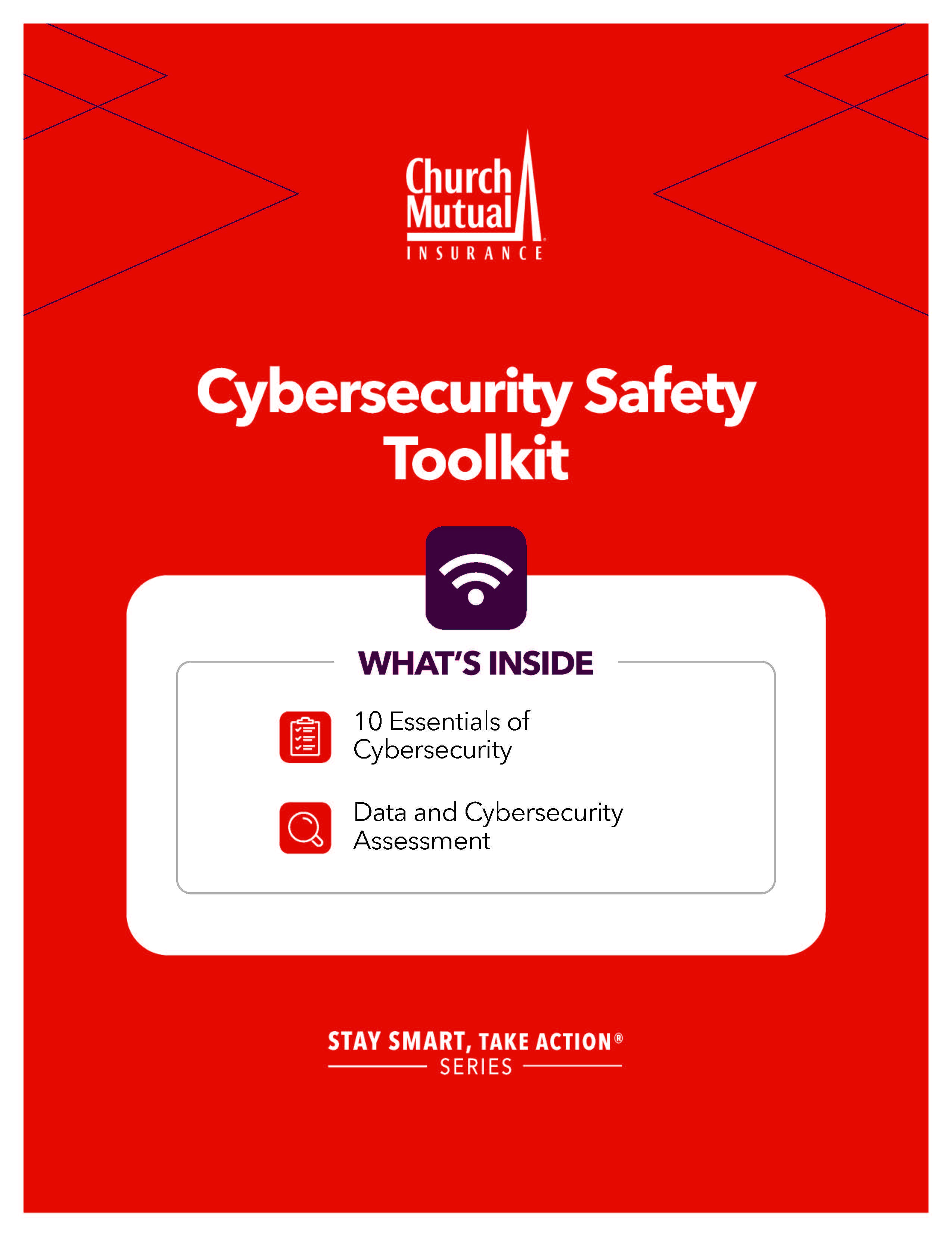
The Cybersecurity Toolkit combines foundational cybersecurity guidance with a comprehensive preparedness assessment designed to help organizations move from awareness to action.
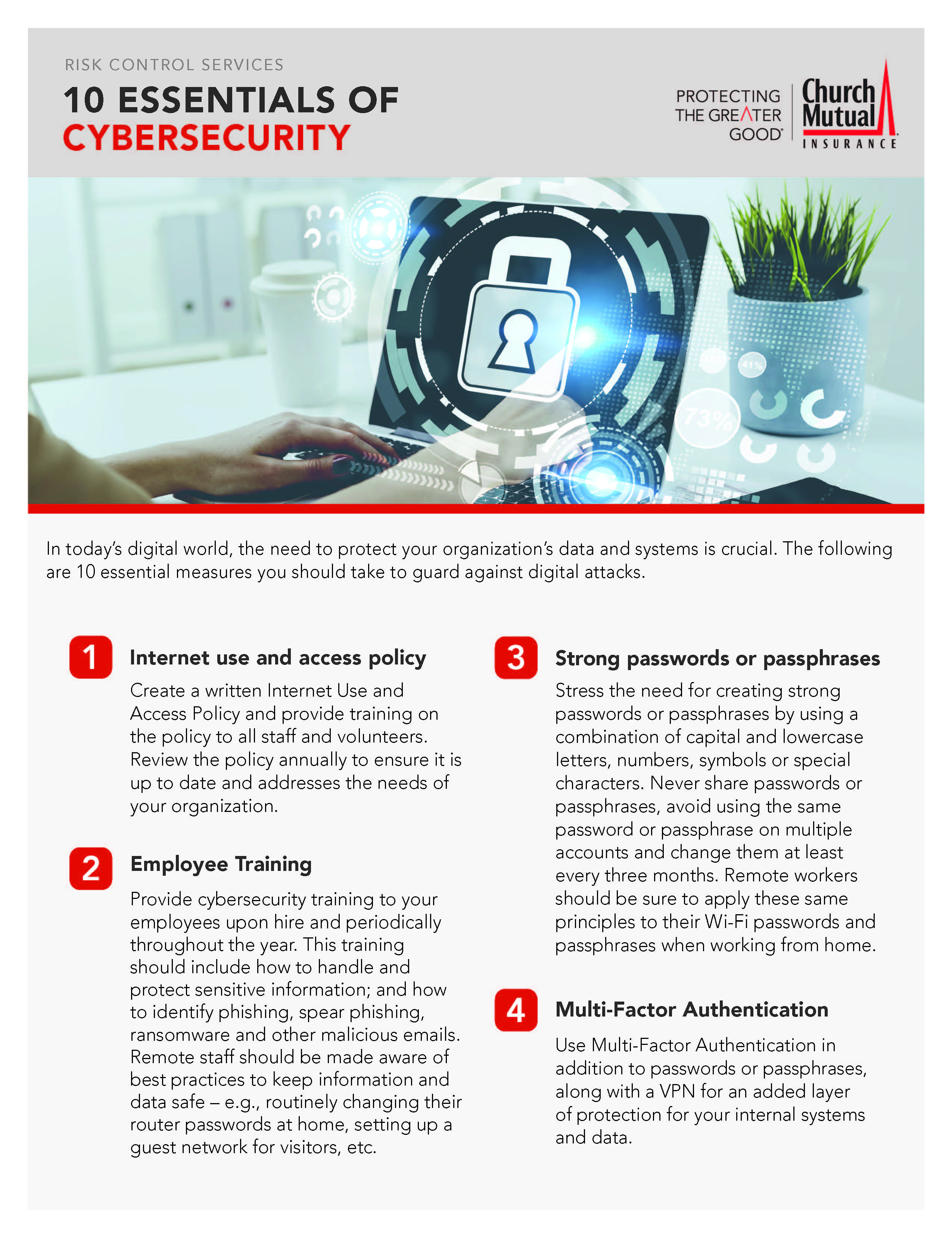
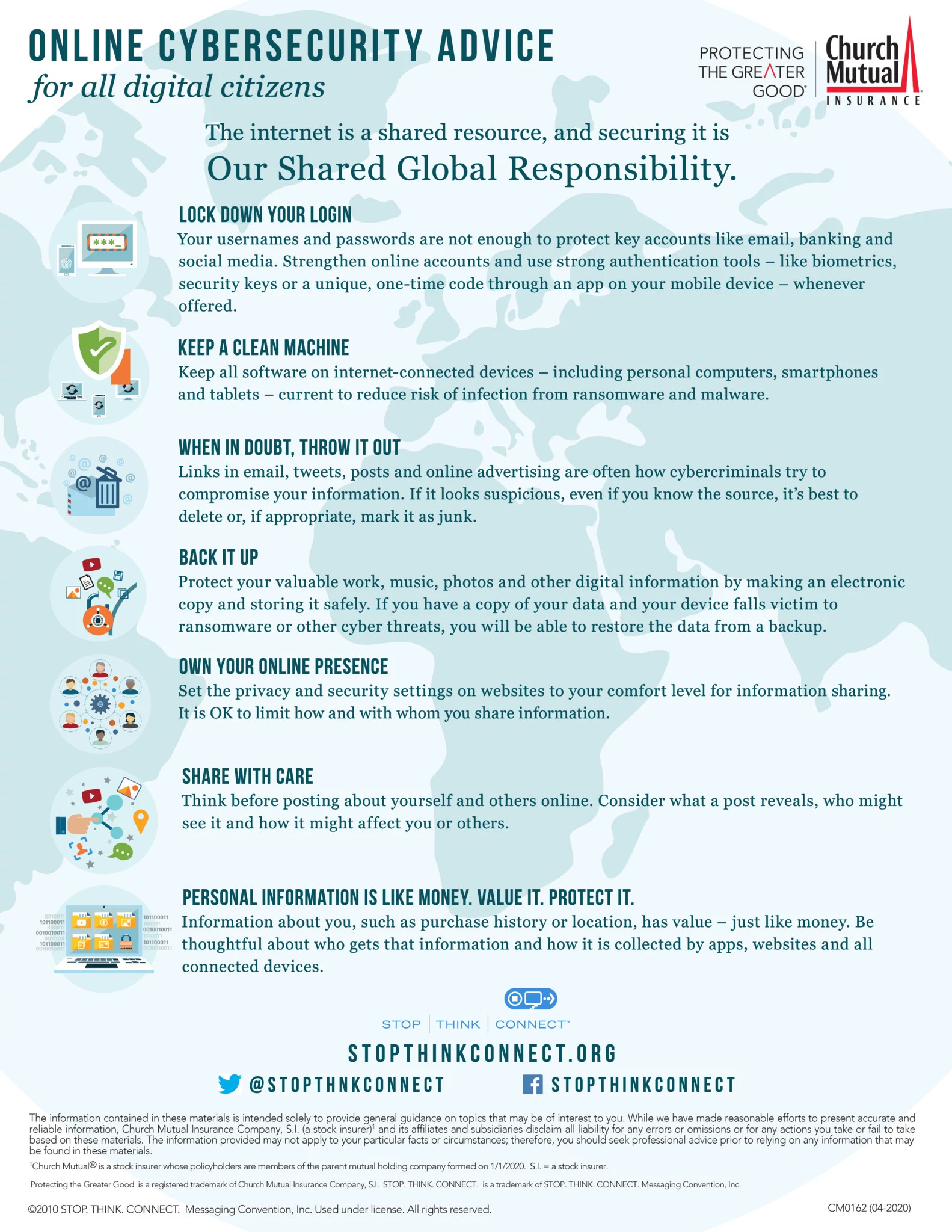
The 10 Essentials of Cybersecurity provides practical guidance around foundational measures organizations can take to help protect their information and systems. Key topics include:
These cybersecurity essentials can help organizations understand common risks and implement practical safeguards that support stronger cybersecurity practices.
Understanding your current cybersecurity posture is an important first step toward improvement.
The Data and Cybersecurity Assessment helps organizations evaluate preparedness across four critical areas:
Through a structured self-assessment, organizations can:
The assessment is intended to support reflection and continuous improvement and can be revisited regularly as technology and organizational needs evolve.
Cybercriminals frequently target employees and volunteers through email, text messages and other communications designed to obtain sensitive information or system access. Ongoing cybersecurity training can help individuals recognize and respond appropriately to suspicious activity.
Poor password practices remain a common cybersecurity vulnerability. Strong passwords, passphrases and multi-factor authentication provide additional layers of protection against unauthorized access.
Unpatched software and unsupported applications can create opportunities for cyberattacks. Keeping systems up to date and removing unused applications can help reduce exposure to cyber threats.
Cyberattacks, ransomware and system failures can result in lost or inaccessible information. Regular backups and recovery planning can help organizations restore operations more quickly following an incident.
Not every employee, volunteer or contractor requires access to sensitive information. Limiting access through appropriate permissions and role-based controls can help reduce cybersecurity risk.
Organizations that have documented cybersecurity policies, response procedures and business continuity planning are often better positioned to respond when cybersecurity events occur.
Organizations can use the toolkit to:
Resources can be used individually or together and revisited as technology, staffing and organizational risks change over time.
Cybersecurity starts with prevention. Written policies, employee training, strong authentication practices, regular system updates, backups and incident preparedness can help organizations reduce cyber risk and strengthen resilience. The resources included in this toolkit are designed to help organizations evaluate current practices, identify vulnerabilities and implement foundational cybersecurity safeguards.
While no organization can eliminate cyber risk entirely, proactive cybersecurity efforts can help reduce exposure and improve preparedness. As part of a broader risk management strategy, some organizations may also explore cyber liability insurance to help address the financial and operational impacts of a cyber incident.
When combined with strong cybersecurity practices, cyber liability coverage can play a supporting role in helping organizations respond to cyber events and continue serving their mission.
A cybersecurity assessment is a structured review of an organization's policies, systems, people and practices to help identify strengths, vulnerabilities and opportunities for improvement. The Data and Cybersecurity Assessment included in this toolkit is designed to support that process.
Employees and volunteers are often a primary target of cyberattacks. Regular training can help people recognize phishing attempts, protect sensitive information and follow secure cybersecurity practices.
No. The Cybersecurity Toolkit is designed to support organizations of varying sizes and levels of cybersecurity maturity. Many of the resources focus on practical, foundational measures that can be implemented regardless of organization size.
Organizations should review cybersecurity practices regularly and whenever there are significant changes to technology, personnel, systems or operations. Ongoing evaluation helps ensure cybersecurity efforts remain effective as threats evolve.
Protecting your organization's information, systems and operations requires ongoing attention. Strong cybersecurity practices are built through planning, awareness, training and continuous improvement.
Use the resources in our Cybersecurity Toolkit to evaluate your current cybersecurity practices, identify opportunities for improvement and take meaningful steps toward protecting the information, systems and people your organization relies on every day.


Technology plays an essential role in how mission-driven organizations serve their communities, manage operations and store sensitive information. As cyber threats continue to evolve, organizations of all sizes face risks such as phishing attacks, ransomware, unauthorized access, data breaches and system disruptions. A proactive approach to cybersecurity can help reduce vulnerabilities, support business continuity and strengthen organizational resilience.
The Cybersecurity Toolkit brings together practical resources designed to help organizations evaluate current cybersecurity practices, identify opportunities for improvement and implement foundational safeguards that help protect data, systems and people. Whether you're developing your cybersecurity program or strengthening existing practices, these resources provide a structured path forward.
Cyber incidents can affect organizations of every size and mission. A successful cyberattack or data breach can disrupt operations, compromise sensitive information and impact the trust organizations work hard to build.
Cybersecurity is not a one-time project. Regular evaluation, training and improvement can help organizations keep pace with changing technology and emerging threats.
The Cybersecurity Toolkit is designed for mission-driven organizations that rely on technology to support their people, programs and operations, including:
Whether your organization has dedicated IT resources or cybersecurity responsibilities are shared among staff and volunteers, these resources can help support stronger cybersecurity practices.
The Cybersecurity Toolkit combines foundational cybersecurity guidance with a comprehensive preparedness assessment designed to help organizations move from awareness to action.
The 10 Essentials of Cybersecurity provides practical guidance around foundational measures organizations can take to help protect their information and systems. Key topics include:
These cybersecurity essentials can help organizations understand common risks and implement practical safeguards that support stronger cybersecurity practices.
Understanding your current cybersecurity posture is an important first step toward improvement.
The Data and Cybersecurity Assessment helps organizations evaluate preparedness across four critical areas:
Through a structured self-assessment, organizations can:
The assessment is intended to support reflection and continuous improvement and can be revisited regularly as technology and organizational needs evolve.
Cybercriminals frequently target employees and volunteers through email, text messages and other communications designed to obtain sensitive information or system access. Ongoing cybersecurity training can help individuals recognize and respond appropriately to suspicious activity.
Poor password practices remain a common cybersecurity vulnerability. Strong passwords, passphrases and multi-factor authentication provide additional layers of protection against unauthorized access.
Unpatched software and unsupported applications can create opportunities for cyberattacks. Keeping systems up to date and removing unused applications can help reduce exposure to cyber threats.
Cyberattacks, ransomware and system failures can result in lost or inaccessible information. Regular backups and recovery planning can help organizations restore operations more quickly following an incident.
Not every employee, volunteer or contractor requires access to sensitive information. Limiting access through appropriate permissions and role-based controls can help reduce cybersecurity risk.
Organizations that have documented cybersecurity policies, response procedures and business continuity planning are often better positioned to respond when cybersecurity events occur.
Organizations can use the toolkit to:
Resources can be used individually or together and revisited as technology, staffing and organizational risks change over time.
Cybersecurity starts with prevention. Written policies, employee training, strong authentication practices, regular system updates, backups and incident preparedness can help organizations reduce cyber risk and strengthen resilience. The resources included in this toolkit are designed to help organizations evaluate current practices, identify vulnerabilities and implement foundational cybersecurity safeguards.
While no organization can eliminate cyber risk entirely, proactive cybersecurity efforts can help reduce exposure and improve preparedness. As part of a broader risk management strategy, some organizations may also explore cyber liability insurance to help address the financial and operational impacts of a cyber incident.
When combined with strong cybersecurity practices, cyber liability coverage can play a supporting role in helping organizations respond to cyber events and continue serving their mission.
A cybersecurity assessment is a structured review of an organization's policies, systems, people and practices to help identify strengths, vulnerabilities and opportunities for improvement. The Data and Cybersecurity Assessment included in this toolkit is designed to support that process.
Employees and volunteers are often a primary target of cyberattacks. Regular training can help people recognize phishing attempts, protect sensitive information and follow secure cybersecurity practices.
No. The Cybersecurity Toolkit is designed to support organizations of varying sizes and levels of cybersecurity maturity. Many of the resources focus on practical, foundational measures that can be implemented regardless of organization size.
Organizations should review cybersecurity practices regularly and whenever there are significant changes to technology, personnel, systems or operations. Ongoing evaluation helps ensure cybersecurity efforts remain effective as threats evolve.
Protecting your organization's information, systems and operations requires ongoing attention. Strong cybersecurity practices are built through planning, awareness, training and continuous improvement.
Use the resources in our Cybersecurity Toolkit to evaluate your current cybersecurity practices, identify opportunities for improvement and take meaningful steps toward protecting the information, systems and people your organization relies on every day.
Technology plays an essential role in how mission-driven organizations serve their communities, manage operations and store sensitive information. As cyber threats continue to evolve, organizations of all sizes face risks such as phishing attacks, ransomware, unauthorized access, data breaches and system disruptions. A proactive approach to cybersecurity can help reduce vulnerabilities, support business continuity and strengthen organizational resilience.
The Cybersecurity Toolkit brings together practical resources designed to help organizations evaluate current cybersecurity practices, identify opportunities for improvement and implement foundational safeguards that help protect data, systems and people. Whether you're developing your cybersecurity program or strengthening existing practices, these resources provide a structured path forward.
Technology plays an essential role in how mission-driven organizations serve their communities, manage operations and store sensitive information. As cyber threats continue to evolve, organizations of all sizes face risks such as phishing attacks, ransomware, unauthorized access, data breaches and system disruptions. A proactive approach to cybersecurity can help reduce vulnerabilities, support business continuity and strengthen organizational resilience.
The Cybersecurity Toolkit brings together practical resources designed to help organizations evaluate current cybersecurity practices, identify opportunities for improvement and implement foundational safeguards that help protect data, systems and people. Whether you're developing your cybersecurity program or strengthening existing practices, these resources provide a structured path forward.
Cyber incidents can affect organizations of every size and mission. A successful cyberattack or data breach can disrupt operations, compromise sensitive information and impact the trust organizations work hard to build.
Cybersecurity is not a one-time project. Regular evaluation, training and improvement can help organizations keep pace with changing technology and emerging threats.
The Cybersecurity Toolkit is designed for mission-driven organizations that rely on technology to support their people, programs and operations, including:
Whether your organization has dedicated IT resources or cybersecurity responsibilities are shared among staff and volunteers, these resources can help support stronger cybersecurity practices.
The Cybersecurity Toolkit combines foundational cybersecurity guidance with a comprehensive preparedness assessment designed to help organizations move from awareness to action.
The 10 Essentials of Cybersecurity provides practical guidance around foundational measures organizations can take to help protect their information and systems. Key topics include:
These cybersecurity essentials can help organizations understand common risks and implement practical safeguards that support stronger cybersecurity practices.
Understanding your current cybersecurity posture is an important first step toward improvement.
The Data and Cybersecurity Assessment helps organizations evaluate preparedness across four critical areas:
Through a structured self-assessment, organizations can:
The assessment is intended to support reflection and continuous improvement and can be revisited regularly as technology and organizational needs evolve.
Cybercriminals frequently target employees and volunteers through email, text messages and other communications designed to obtain sensitive information or system access. Ongoing cybersecurity training can help individuals recognize and respond appropriately to suspicious activity.
Poor password practices remain a common cybersecurity vulnerability. Strong passwords, passphrases and multi-factor authentication provide additional layers of protection against unauthorized access.
Unpatched software and unsupported applications can create opportunities for cyberattacks. Keeping systems up to date and removing unused applications can help reduce exposure to cyber threats.
Cyberattacks, ransomware and system failures can result in lost or inaccessible information. Regular backups and recovery planning can help organizations restore operations more quickly following an incident.
Not every employee, volunteer or contractor requires access to sensitive information. Limiting access through appropriate permissions and role-based controls can help reduce cybersecurity risk.
Organizations that have documented cybersecurity policies, response procedures and business continuity planning are often better positioned to respond when cybersecurity events occur.
Organizations can use the toolkit to:
Resources can be used individually or together and revisited as technology, staffing and organizational risks change over time.
Cybersecurity starts with prevention. Written policies, employee training, strong authentication practices, regular system updates, backups and incident preparedness can help organizations reduce cyber risk and strengthen resilience. The resources included in this toolkit are designed to help organizations evaluate current practices, identify vulnerabilities and implement foundational cybersecurity safeguards.
While no organization can eliminate cyber risk entirely, proactive cybersecurity efforts can help reduce exposure and improve preparedness. As part of a broader risk management strategy, some organizations may also explore cyber liability insurance to help address the financial and operational impacts of a cyber incident.
When combined with strong cybersecurity practices, cyber liability coverage can play a supporting role in helping organizations respond to cyber events and continue serving their mission.
A cybersecurity assessment is a structured review of an organization's policies, systems, people and practices to help identify strengths, vulnerabilities and opportunities for improvement. The Data and Cybersecurity Assessment included in this toolkit is designed to support that process.
Employees and volunteers are often a primary target of cyberattacks. Regular training can help people recognize phishing attempts, protect sensitive information and follow secure cybersecurity practices.
No. The Cybersecurity Toolkit is designed to support organizations of varying sizes and levels of cybersecurity maturity. Many of the resources focus on practical, foundational measures that can be implemented regardless of organization size.
Organizations should review cybersecurity practices regularly and whenever there are significant changes to technology, personnel, systems or operations. Ongoing evaluation helps ensure cybersecurity efforts remain effective as threats evolve.
Protecting your organization's information, systems and operations requires ongoing attention. Strong cybersecurity practices are built through planning, awareness, training and continuous improvement.
Use the resources in our Cybersecurity Toolkit to evaluate your current cybersecurity practices, identify opportunities for improvement and take meaningful steps toward protecting the information, systems and people your organization relies on every day.