Hurricane Isaias:
If you were impacted by the storm, here's
key recovery considerations for the days and weeks ahead

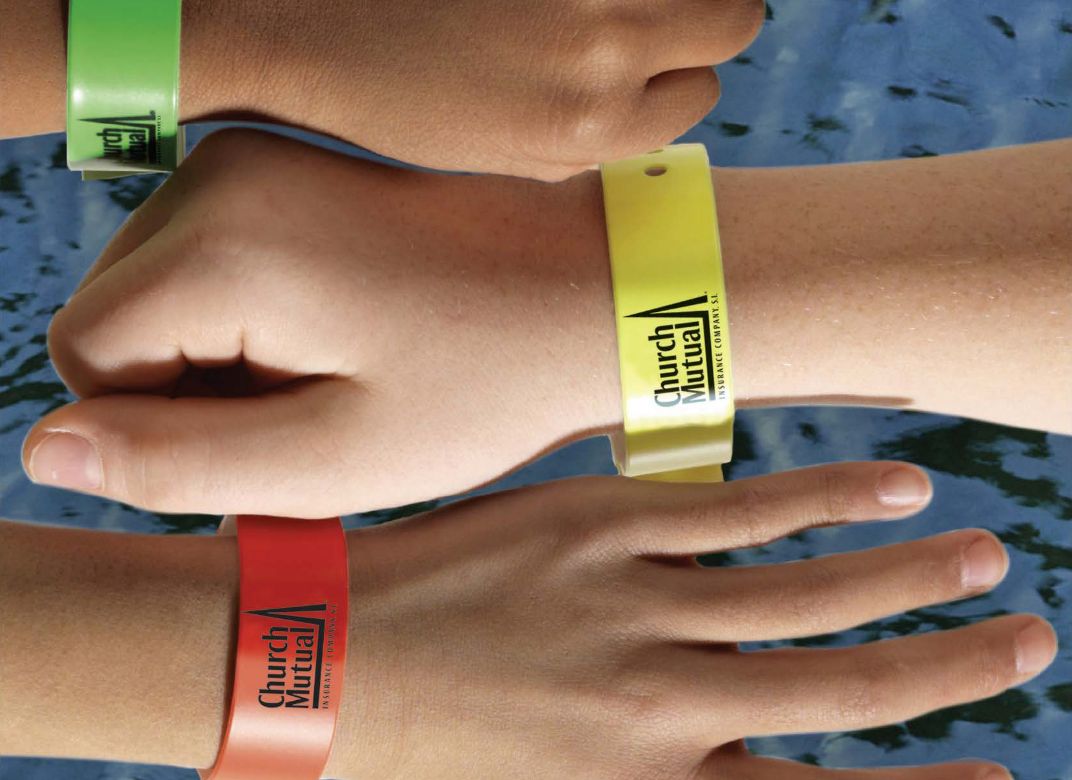
Summer has arrived, which means people will be seeking opportunities to cool off, splash about or relax at their favorite watering holes - whether that is a pool, lake or pond, ocean or river, water playground or even a hot tub. Swimming at summer camp is no different. It is often at the heart of the daily program schedule as a favorite activity for both campers and staff. We have all heard the warning: Anywhere there is water, there is a risk of drowning. However, downing is not the only major water-related risk you should be prepared to prevent. Recreational water can be a ripe breeding ground for diseases that can spread quickly when water is contaminated with germs.
Recreational water illnesses (RWIs) are spread by swallowing, breathing or having contact with contaminated water. RWIs can lead to a variety of skin, ear, respiratory, ocular, neurologic and gastrointestinal problems. Cryptosporidium, Giardia, Shigella, norovirus and E. Coli are the most commonly encountered RWIs. According to the Centers for Disease Control and Prevention, people usually have about .14 grams of feces (similar to a few grains of sand) on their body at any given time. Every swimmer who enters the water shares the bacteria in it. Swallowing even a small amount of water infected with diarrhea-causing bacteria can get you sick.
While you can’t completely control your water environment, your job as a camp administrator or staff member is to make it as safe as possible so disease doesn’t spread. Here, Church Mutual offers suggestions for avoiding RWIs.
Swimmers:
Pool Operators and Personnel:
The last thing you want at your camp is an outbreak of an RWI. To ensure a fun, healthy and RWI-free swimming experience, make sure to heed the suggestions above.
For more tips on staying safe at camp, visit our Camps, Sports & Outdoor Recreation page.


Summer has arrived, which means people will be seeking opportunities to cool off, splash about or relax at their favorite watering holes - whether that is a pool, lake or pond, ocean or river, water playground or even a hot tub. Swimming at summer camp is no different. It is often at the heart of the daily program schedule as a favorite activity for both campers and staff. We have all heard the warning: Anywhere there is water, there is a risk of drowning. However, downing is not the only major water-related risk you should be prepared to prevent. Recreational water can be a ripe breeding ground for diseases that can spread quickly when water is contaminated with germs.
Recreational water illnesses (RWIs) are spread by swallowing, breathing or having contact with contaminated water. RWIs can lead to a variety of skin, ear, respiratory, ocular, neurologic and gastrointestinal problems. Cryptosporidium, Giardia, Shigella, norovirus and E. Coli are the most commonly encountered RWIs. According to the Centers for Disease Control and Prevention, people usually have about .14 grams of feces (similar to a few grains of sand) on their body at any given time. Every swimmer who enters the water shares the bacteria in it. Swallowing even a small amount of water infected with diarrhea-causing bacteria can get you sick.
While you can’t completely control your water environment, your job as a camp administrator or staff member is to make it as safe as possible so disease doesn’t spread. Here, Church Mutual offers suggestions for avoiding RWIs.
Swimmers:
Pool Operators and Personnel:
The last thing you want at your camp is an outbreak of an RWI. To ensure a fun, healthy and RWI-free swimming experience, make sure to heed the suggestions above.
For more tips on staying safe at camp, visit our Camps, Sports & Outdoor Recreation page.
Summer has arrived, which means people will be seeking opportunities to cool off, splash about or relax at their favorite watering holes - whether that is a pool, lake or pond, ocean or river, water playground or even a hot tub. Swimming at summer camp is no different. It is often at the heart of the daily program schedule as a favorite activity for both campers and staff. We have all heard the warning: Anywhere there is water, there is a risk of drowning. However, downing is not the only major water-related risk you should be prepared to prevent. Recreational water can be a ripe breeding ground for diseases that can spread quickly when water is contaminated with germs.
Recreational water illnesses (RWIs) are spread by swallowing, breathing or having contact with contaminated water. RWIs can lead to a variety of skin, ear, respiratory, ocular, neurologic and gastrointestinal problems. Cryptosporidium, Giardia, Shigella, norovirus and E. Coli are the most commonly encountered RWIs. According to the Centers for Disease Control and Prevention, people usually have about .14 grams of feces (similar to a few grains of sand) on their body at any given time. Every swimmer who enters the water shares the bacteria in it. Swallowing even a small amount of water infected with diarrhea-causing bacteria can get you sick.
While you can’t completely control your water environment, your job as a camp administrator or staff member is to make it as safe as possible so disease doesn’t spread. Here, Church Mutual offers suggestions for avoiding RWIs.
Swimmers:
Pool Operators and Personnel:
The last thing you want at your camp is an outbreak of an RWI. To ensure a fun, healthy and RWI-free swimming experience, make sure to heed the suggestions above.
For more tips on staying safe at camp, visit our Camps, Sports & Outdoor Recreation page.