Slips, trips and falls may sound minor compared to other workplace hazards, but the numbers tell a different story. Many injuries reported to Church Mutual Insurance Company, S.I. are caused by slips, trips or falls.
These accidents don’t just lead to medical costs and downtime—they can also create long-term safety concerns for staff, volunteers and visitors.
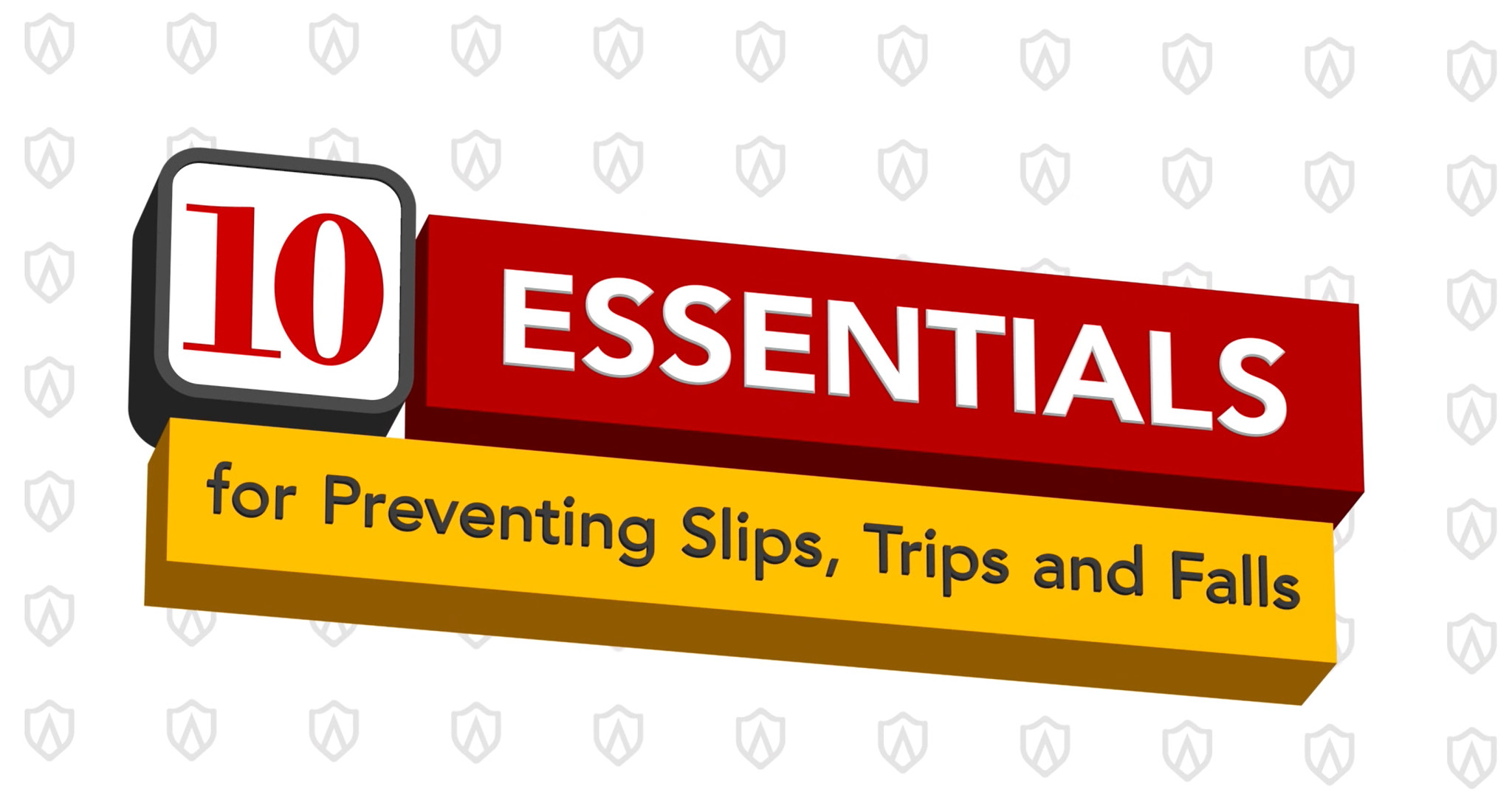
Fortunately, most incidents are preventable with the right precautions in place. That’s why we created the 10 Essentials for Slip, Trip and Fall Prevention: a straightforward guide to help organizations of all sizes identify risks, establish safe practices and protect the people who walk through their doors every day.
Slips and trips happen quickly, often during ordinary activities like carrying boxes, walking down a hallway or entering a building on a rainy day. Because these incidents are so common, they can easily be overlooked until after an accident occurs. The essentials outlined in this resource encourage organizations to be proactive rather than reactive, reducing hazards before they lead to injuries.
The guide emphasizes several high-impact areas where prevention can make an immediate difference:
Prevention also depends on paying attention to smaller but equally important factors. Extension cords should be covered or rerouted to eliminate tripping hazards. Ladders and step stools need to be inspected before every use, with damaged equipment immediately discarded. Exterior surfaces should be treated for ice and water pooling, and potholes or uneven pavement must be repaired quickly.
The guide also reminds organizations that some jobs—especially those at great heights—are best left to trained professionals. Outsourcing risky work helps transfer liability and keeps staff and volunteers safe from unnecessary hazards.
This preview only scratches the surface. The full 10 Essentials for Slip, Trip and Fall Prevention guide delivers detailed explanations, examples and actionable steps your team can start implementing right away. It provides a structured framework for creating safer walkways, workspaces and outdoor areas, ensuring your organization is prepared year-round.


Practice good housekeeping, adhere to accessibility guidelines and don't forget cord management. Learn about these and more fall prevention essentials.
Slips, trips and falls may sound minor compared to other workplace hazards, but the numbers tell a different story. Many injuries reported to Church Mutual Insurance Company, S.I. are caused by slips, trips or falls.
These accidents don’t just lead to medical costs and downtime—they can also create long-term safety concerns for staff, volunteers and visitors.
Fortunately, most incidents are preventable with the right precautions in place. That’s why we created the 10 Essentials for Slip, Trip and Fall Prevention: a straightforward guide to help organizations of all sizes identify risks, establish safe practices and protect the people who walk through their doors every day.
Slips and trips happen quickly, often during ordinary activities like carrying boxes, walking down a hallway or entering a building on a rainy day. Because these incidents are so common, they can easily be overlooked until after an accident occurs. The essentials outlined in this resource encourage organizations to be proactive rather than reactive, reducing hazards before they lead to injuries.
The guide emphasizes several high-impact areas where prevention can make an immediate difference:
Prevention also depends on paying attention to smaller but equally important factors. Extension cords should be covered or rerouted to eliminate tripping hazards. Ladders and step stools need to be inspected before every use, with damaged equipment immediately discarded. Exterior surfaces should be treated for ice and water pooling, and potholes or uneven pavement must be repaired quickly.
The guide also reminds organizations that some jobs—especially those at great heights—are best left to trained professionals. Outsourcing risky work helps transfer liability and keeps staff and volunteers safe from unnecessary hazards.
This preview only scratches the surface. The full 10 Essentials for Slip, Trip and Fall Prevention guide delivers detailed explanations, examples and actionable steps your team can start implementing right away. It provides a structured framework for creating safer walkways, workspaces and outdoor areas, ensuring your organization is prepared year-round.
Practice good housekeeping, adhere to accessibility guidelines and don't forget cord management. Learn about these and more fall prevention essentials.
Practice good housekeeping, adhere to accessibility guidelines and don't forget cord management. Learn about these and more fall prevention essentials.
Slips, trips and falls may sound minor compared to other workplace hazards, but the numbers tell a different story. Many injuries reported to Church Mutual Insurance Company, S.I. are caused by slips, trips or falls.
These accidents don’t just lead to medical costs and downtime—they can also create long-term safety concerns for staff, volunteers and visitors.
Fortunately, most incidents are preventable with the right precautions in place. That’s why we created the 10 Essentials for Slip, Trip and Fall Prevention: a straightforward guide to help organizations of all sizes identify risks, establish safe practices and protect the people who walk through their doors every day.
Slips and trips happen quickly, often during ordinary activities like carrying boxes, walking down a hallway or entering a building on a rainy day. Because these incidents are so common, they can easily be overlooked until after an accident occurs. The essentials outlined in this resource encourage organizations to be proactive rather than reactive, reducing hazards before they lead to injuries.
The guide emphasizes several high-impact areas where prevention can make an immediate difference:
Prevention also depends on paying attention to smaller but equally important factors. Extension cords should be covered or rerouted to eliminate tripping hazards. Ladders and step stools need to be inspected before every use, with damaged equipment immediately discarded. Exterior surfaces should be treated for ice and water pooling, and potholes or uneven pavement must be repaired quickly.
The guide also reminds organizations that some jobs—especially those at great heights—are best left to trained professionals. Outsourcing risky work helps transfer liability and keeps staff and volunteers safe from unnecessary hazards.
This preview only scratches the surface. The full 10 Essentials for Slip, Trip and Fall Prevention guide delivers detailed explanations, examples and actionable steps your team can start implementing right away. It provides a structured framework for creating safer walkways, workspaces and outdoor areas, ensuring your organization is prepared year-round.