Hurricane Isaias:
If you were impacted by the storm, here's
key recovery considerations for the days and weeks ahead
Church Mutual Insurance
Insurance
By Industry
Houses of WorshipNonprofit & Human Services OrganizationsCamps, Sports & Outdoor RecreationEducation & Schools
By Coverage
Specialized CoverageProperty CoverageLiability CoverageWorkers’ Compensation
Resources
Risk Control
View AllChecklists & GuidesSafety ProductsVideos
Articles
View AllCamps, Sports, and Outdoor RecreationEducation and SchoolsHouses of WorshipNonprofit and Human Services
Partner Services
View AllNurse HotlineTelemedicineBackground Checks
Additional Resources
Customer CenterBroker CenterFAQs
Support
Get In Touch
ChatContact Options800-554-2642
Additional Support
Claims CenterPremium AuditPayment CenterFind Your Local RepBroker Center
About
Who We Are
Why Church MutualHistoryLeadershipTestimonialsCM CARES®Newsroom
Careers
Job OpeningsWorking HereCareer AreasDiversity & InclusionBenefitsEarly Career
pay a bill
Pay online:
Make A Payment
Visit our Payment Center for more info. We’ve upgraded our payment system. Read our FAQs for details.
File a Claim
Start Your Claim
Questions? Visit our Claims Center for more info.
Log In
Customer Accounts:
Customer Log In
CREATE ACCOUNT
Broker Accounts:
BROKER LOG IN
CREATE ACCOUNT
search
I’m looking for…
Questions? Check out our FAQs for more info.
Start a Quote
My organization is a
Thank you! Your submission has been received!
Oops! Something went wrong while submitting the form.
Start a Quote
US flagChurch Mutual gives backUS flag
Articles
Houses of Worship
Nonprofit & Human Services Organizations
Education & Schools
Camps Sports & Outdoor Recreation
Security & Crime Prevention
Maintenance
Articles
Houses of Worship
Nonprofit & Human Services Organizations
Education & Schools
Camps Sports & Outdoor Recreation
Security & Crime Prevention
Maintenance
3/24/2025
Information

Five ways to keep your facilities secure

Five ways to keep your facilities secure

Ensuring the security of your facilities is crucial for protecting your people, property and mission. Implementing effective security measures can help prevent crime and create a safer environment for your people. Here are five best practices that can help enhance your organization’s facility security and crime prevention efforts.

1. Conduct regular security assessments

Regular security assessments are the foundation of a robust security strategy. These assessments help identify vulnerabilities and areas that need improvement. Here's how to conduct an effective security assessment:

  • Engage security professionals: Hire experienced security consultants or connect with your local police department to evaluate your facilities. They can provide an unbiased assessment and recommend solutions.
  • Review existing security measures: Assess the effectiveness of your current security systems, including alarms, surveillance cameras and access controls.
  • Identify vulnerable areas: Pay special attention to entry points, parking lots and secluded areas. These are often the most vulnerable spots.
  • Update security plans: Based on the assessment findings, update your security plans and protocols. Ensure all staff members are aware of the changes.

To enhance your organization's security efforts, view and download our security assessment, and consider sharing our article, “Proactive prevention to keep your buildings and grounds safe,” with your facilities manager for additional optimization tips.

2. Implement access control systems

Controlling who can enter your facilities is essential for maintaining security. Access control systems can range from simple locks to advanced biometric systems. Consider the following options:

  • Key card systems: To reinforce the need for strong key control policies and procedures, issue key cards to authorized personnel, which can be programmed to grant access to specific areas and easily deactivated if lost or stolen. Our article, “One Burglary Occurs Every 14 Seconds,” further emphasizes the importance of robust key card systems.
  • Biometric systems: Enhance security in high-risk areas by implementing fingerprint or facial recognition systems to verify individual identities. Use our Authorization and Request for Criminal Records Verification form to obtain permission from your staff and key volunteers for additional screening. Our partner, Trusted Employees, can also be a great resource to help you complete criminal background checks.
  • Visitor management: Implement a visitor management system to track and monitor visitors. Require visitors to sign in and wear identification badges while on the premises.

3. Enhance surveillance and monitoring

Surveillance systems are a critical component of facility security. They deter potential criminals and provide valuable evidence in case of an incident. Here are some tips for effective surveillance:

  • Install high-quality cameras: Use high-resolution cameras with night vision capabilities to ensure clear footage in all lighting conditions.
  • Cover key areas: Position cameras to cover entry points, parking lots, hallways and other high-traffic areas. Ensure there are no blind spots.
  • Monitor in real-time: Set up a monitoring station where security personnel can watch live feeds. Consider using motion detection technology to alert staff of suspicious activity.
  • Store footage securely: Ensure all footage is stored securely and can be easily accessed when needed. Use cloud storage solutions for added security and redundancy.

The following resources may also be of help as you look to improve your organization’s safety and security programs:

  • Church security management systems are maturing.
  • Prevent property crime.
  • Proactive prevention to keep your buildings and grounds safe.
  • Do you need a security grant?

4. Train staff and volunteers

Your staff and volunteers play a crucial role in maintaining security. Proper training ensures they know how to respond to security threats and emergencies. Include the following in your training programs:

  • ‍Emergency procedures: Train staff on emergency procedures, including evacuation plans, lockdown protocols and how to report suspicious activity.‍
  • Conflict resolution: Equip staff with conflict resolution skills to handle disputes and de-escalate potentially dangerous situations.‍
  • Security awareness: Educate staff on the importance of security and encourage them to be vigilant. Regularly update them on new security policies and procedures.‍
  • Drills and simulations: Conduct regular drills and simulations to practice emergency responses. This helps staff become familiar with their roles and responsibilities during an incident. Our article, “Learn to recognize armed intruder pre-attack behaviors,” can provide further information and insight to help equip your staff and volunteers.

5. Foster a security-conscious culture

Creating a culture of security within your organization is essential for long-term success. When everyone is committed to security, it becomes a shared responsibility. Here are some ways to foster a security-conscious culture:

  • ‍Leadership commitment: Ensure leadership prioritizes security and sets a positive example. When leaders are committed, it encourages others to follow suit.‍
  • Open communication: Encourage open communication about security concerns by creating channels for staff and members to report suspicious activity or suggest improvements. Hold meetings after special events to evaluate the effectiveness of your security efforts and identify necessary changes.‍
  • Regular updates: Keep everyone informed about security updates and changes. Use newsletters, meetings and bulletin boards to share information.‍
  • Recognize and reward: Recognize and reward individuals who contribute to security efforts. This can motivate others to take security seriously and participate actively.

For more information on enhancing a security conscious culture at your organization, read our article, “Be prepared for workplace violence.”

By implementing these best practices, you can significantly enhance the security of your facilities and create a safer environment for everyone involved. Remember, security is an ongoing process that requires regular evaluation and adaptation to new threats. Stay proactive and committed to protecting your organization and its people.

Click here for additional information, resources and more that can help your organization bolster its security efforts, as well as reduce and deter the threat of crime.

‍

The information contained in these materials is intended solely to provide general guidance on topics that may be of interest to you. While we have made reasonable efforts to present accurate and reliable information, Church Mutual Insurance Company, S.I. and its affiliates disclaim all liability for any errors or omissions or for any actions you take or fail to take based on these materials. The information provided may not apply to your particular facts or circumstances; therefore, you should seek professional advice prior to relying on any information that may be found in these materials.
Share this article with others:
FacebookLinkedinMailLink
URL copied to clipboard!
Explore more risk resources:
By Category
ArticlesChecklists &GuidesSafety ProductsVideos
By Organization
Camps, Sports & Outdoor RecreationEducation & SchoolsHouses of WorshipNonprofit & Human Service Organizations
By Topic
Buildings & GroundsBusiness PlanningCOVID-19 Response & RecoveryCybersecurityFinancial TipsFire Preparedness & PreventionInjury & Illness PreventionMaintenanceSecurity & Crime PreventionSevere Weather PreparednessSexual Abuse PreventionStaff & Volunteer Safety & ManagementTransportation SafetyTravel

Related Risk Management Articles

view all articles
Keep your building safe from wayward vehiclesKeep your building safe from wayward vehicles

Keep your building safe from wayward vehicles

read the article
Arrow
Trunk-or-treat without the tricks: A guide to event safety and liabilityTrunk-or-treat without the tricks: A guide to event safety and liability

Trunk-or-treat without the tricks: A guide to event safety and liability

read the article
Arrow
Proactive prevention keeps buildings, grounds safeProactive prevention keeps buildings, grounds safe

Proactive prevention keeps buildings, grounds safe

read the article
Arrow
Articles
Houses of Worship
Nonprofit & Human Services Organizations
Education & Schools
Camps Sports & Outdoor Recreation
Security & Crime Prevention
Maintenance

Five ways to keep your facilities secure

Ensuring the security of your facilities is crucial for protecting your people, property and mission. Implementing effective security measures can help prevent crime and create a safer environment for your people. Here are five best practices that can help enhance your organization’s facility security and crime prevention efforts.

1. Conduct regular security assessments

Regular security assessments are the foundation of a robust security strategy. These assessments help identify vulnerabilities and areas that need improvement. Here's how to conduct an effective security assessment:

  • Engage security professionals: Hire experienced security consultants or connect with your local police department to evaluate your facilities. They can provide an unbiased assessment and recommend solutions.
  • Review existing security measures: Assess the effectiveness of your current security systems, including alarms, surveillance cameras and access controls.
  • Identify vulnerable areas: Pay special attention to entry points, parking lots and secluded areas. These are often the most vulnerable spots.
  • Update security plans: Based on the assessment findings, update your security plans and protocols. Ensure all staff members are aware of the changes.

To enhance your organization's security efforts, view and download our security assessment, and consider sharing our article, “Proactive prevention to keep your buildings and grounds safe,” with your facilities manager for additional optimization tips.

2. Implement access control systems

Controlling who can enter your facilities is essential for maintaining security. Access control systems can range from simple locks to advanced biometric systems. Consider the following options:

  • Key card systems: To reinforce the need for strong key control policies and procedures, issue key cards to authorized personnel, which can be programmed to grant access to specific areas and easily deactivated if lost or stolen. Our article, “One Burglary Occurs Every 14 Seconds,” further emphasizes the importance of robust key card systems.
  • Biometric systems: Enhance security in high-risk areas by implementing fingerprint or facial recognition systems to verify individual identities. Use our Authorization and Request for Criminal Records Verification form to obtain permission from your staff and key volunteers for additional screening. Our partner, Trusted Employees, can also be a great resource to help you complete criminal background checks.
  • Visitor management: Implement a visitor management system to track and monitor visitors. Require visitors to sign in and wear identification badges while on the premises.

3. Enhance surveillance and monitoring

Surveillance systems are a critical component of facility security. They deter potential criminals and provide valuable evidence in case of an incident. Here are some tips for effective surveillance:

  • Install high-quality cameras: Use high-resolution cameras with night vision capabilities to ensure clear footage in all lighting conditions.
  • Cover key areas: Position cameras to cover entry points, parking lots, hallways and other high-traffic areas. Ensure there are no blind spots.
  • Monitor in real-time: Set up a monitoring station where security personnel can watch live feeds. Consider using motion detection technology to alert staff of suspicious activity.
  • Store footage securely: Ensure all footage is stored securely and can be easily accessed when needed. Use cloud storage solutions for added security and redundancy.

The following resources may also be of help as you look to improve your organization’s safety and security programs:

  • Church security management systems are maturing.
  • Prevent property crime.
  • Proactive prevention to keep your buildings and grounds safe.
  • Do you need a security grant?

4. Train staff and volunteers

Your staff and volunteers play a crucial role in maintaining security. Proper training ensures they know how to respond to security threats and emergencies. Include the following in your training programs:

  • ‍Emergency procedures: Train staff on emergency procedures, including evacuation plans, lockdown protocols and how to report suspicious activity.‍
  • Conflict resolution: Equip staff with conflict resolution skills to handle disputes and de-escalate potentially dangerous situations.‍
  • Security awareness: Educate staff on the importance of security and encourage them to be vigilant. Regularly update them on new security policies and procedures.‍
  • Drills and simulations: Conduct regular drills and simulations to practice emergency responses. This helps staff become familiar with their roles and responsibilities during an incident. Our article, “Learn to recognize armed intruder pre-attack behaviors,” can provide further information and insight to help equip your staff and volunteers.

5. Foster a security-conscious culture

Creating a culture of security within your organization is essential for long-term success. When everyone is committed to security, it becomes a shared responsibility. Here are some ways to foster a security-conscious culture:

  • ‍Leadership commitment: Ensure leadership prioritizes security and sets a positive example. When leaders are committed, it encourages others to follow suit.‍
  • Open communication: Encourage open communication about security concerns by creating channels for staff and members to report suspicious activity or suggest improvements. Hold meetings after special events to evaluate the effectiveness of your security efforts and identify necessary changes.‍
  • Regular updates: Keep everyone informed about security updates and changes. Use newsletters, meetings and bulletin boards to share information.‍
  • Recognize and reward: Recognize and reward individuals who contribute to security efforts. This can motivate others to take security seriously and participate actively.

For more information on enhancing a security conscious culture at your organization, read our article, “Be prepared for workplace violence.”

By implementing these best practices, you can significantly enhance the security of your facilities and create a safer environment for everyone involved. Remember, security is an ongoing process that requires regular evaluation and adaptation to new threats. Stay proactive and committed to protecting your organization and its people.

Click here for additional information, resources and more that can help your organization bolster its security efforts, as well as reduce and deter the threat of crime.

‍

The information contained in these materials is intended solely to provide general guidance on topics that may be of interest to you. While we have made reasonable efforts to present accurate and reliable information, Church Mutual Insurance Company, S.I. and its affiliates disclaim all liability for any errors or omissions or for any actions you take or fail to take based on these materials. The information provided may not apply to your particular facts or circumstances; therefore, you should seek professional advice prior to relying on any information that may be found in these materials.

Related Risk Management Videos

view all videos
Armed Intruder PreparednessArmed Intruder Preparedness

Armed Intruder Preparedness

Watch the Video
Arrow
Armed Intruder Seminar Series: Introduction to ALICE 2020Armed Intruder Seminar Series: Introduction to ALICE 2020

Armed Intruder Seminar Series: Introduction to ALICE 2020

Watch the Video
Arrow
Security & Crime PreventionSecurity & Crime Prevention

Security & Crime Prevention

Watch the Video
Arrow
Articles
Information
Safety Products are NO COST for Church Mutual customers.

Five ways to keep your facilities secure

first-time enrollment
order additional devices
Order In Portal
Five ways to keep your facilities secure

Related Risk Management Safety Products

view all safety products
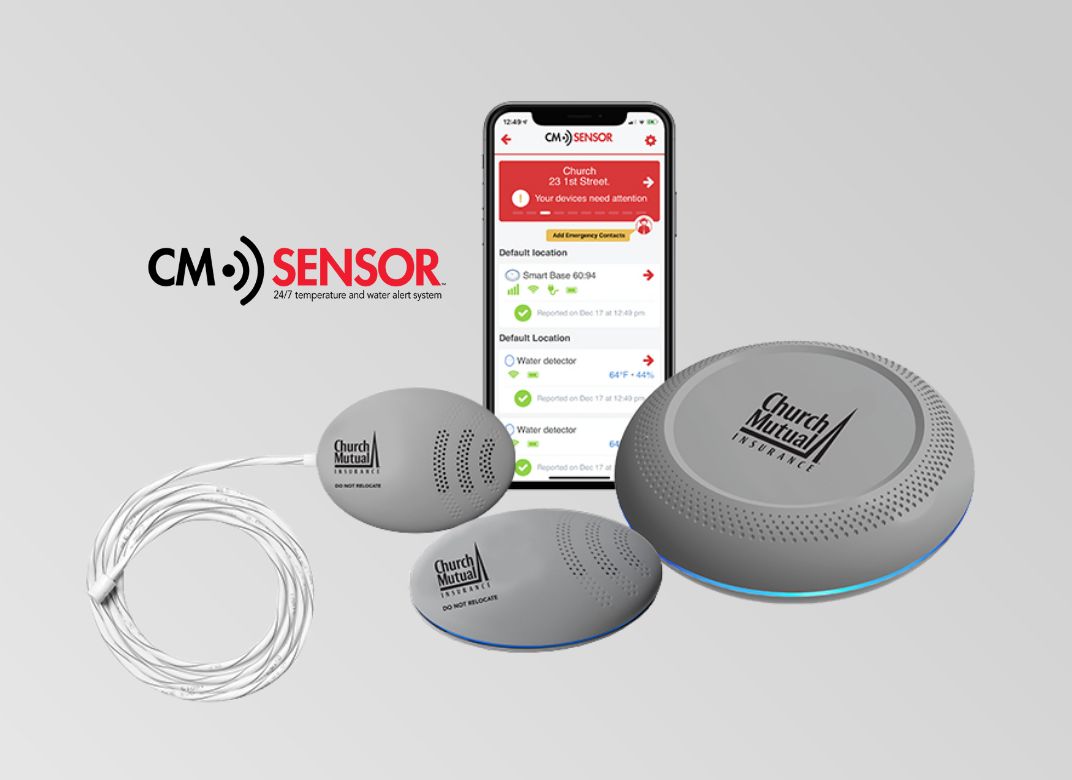
CM Sensor® 24/7 Temperature and Water Alert SystemCM Sensor® 24/7 Temperature and Water Alert System

CM Sensor® 24/7 Temperature and Water Alert System

Learn More & Order
Arrow
Articles
Houses of Worship
Nonprofit & Human Services Organizations
Education & Schools
Camps Sports & Outdoor Recreation
Security & Crime Prevention
Maintenance

Five ways to keep your facilities secure

download now
open in a new tab
Five ways to keep your facilities secure

Ensuring the security of your facilities is crucial for protecting your people, property and mission. Implementing effective security measures can help prevent crime and create a safer environment for your people. Here are five best practices that can help enhance your organization’s facility security and crime prevention efforts.

1. Conduct regular security assessments

Regular security assessments are the foundation of a robust security strategy. These assessments help identify vulnerabilities and areas that need improvement. Here's how to conduct an effective security assessment:

  • Engage security professionals: Hire experienced security consultants or connect with your local police department to evaluate your facilities. They can provide an unbiased assessment and recommend solutions.
  • Review existing security measures: Assess the effectiveness of your current security systems, including alarms, surveillance cameras and access controls.
  • Identify vulnerable areas: Pay special attention to entry points, parking lots and secluded areas. These are often the most vulnerable spots.
  • Update security plans: Based on the assessment findings, update your security plans and protocols. Ensure all staff members are aware of the changes.

To enhance your organization's security efforts, view and download our security assessment, and consider sharing our article, “Proactive prevention to keep your buildings and grounds safe,” with your facilities manager for additional optimization tips.

2. Implement access control systems

Controlling who can enter your facilities is essential for maintaining security. Access control systems can range from simple locks to advanced biometric systems. Consider the following options:

  • Key card systems: To reinforce the need for strong key control policies and procedures, issue key cards to authorized personnel, which can be programmed to grant access to specific areas and easily deactivated if lost or stolen. Our article, “One Burglary Occurs Every 14 Seconds,” further emphasizes the importance of robust key card systems.
  • Biometric systems: Enhance security in high-risk areas by implementing fingerprint or facial recognition systems to verify individual identities. Use our Authorization and Request for Criminal Records Verification form to obtain permission from your staff and key volunteers for additional screening. Our partner, Trusted Employees, can also be a great resource to help you complete criminal background checks.
  • Visitor management: Implement a visitor management system to track and monitor visitors. Require visitors to sign in and wear identification badges while on the premises.

3. Enhance surveillance and monitoring

Surveillance systems are a critical component of facility security. They deter potential criminals and provide valuable evidence in case of an incident. Here are some tips for effective surveillance:

  • Install high-quality cameras: Use high-resolution cameras with night vision capabilities to ensure clear footage in all lighting conditions.
  • Cover key areas: Position cameras to cover entry points, parking lots, hallways and other high-traffic areas. Ensure there are no blind spots.
  • Monitor in real-time: Set up a monitoring station where security personnel can watch live feeds. Consider using motion detection technology to alert staff of suspicious activity.
  • Store footage securely: Ensure all footage is stored securely and can be easily accessed when needed. Use cloud storage solutions for added security and redundancy.

The following resources may also be of help as you look to improve your organization’s safety and security programs:

  • Church security management systems are maturing.
  • Prevent property crime.
  • Proactive prevention to keep your buildings and grounds safe.
  • Do you need a security grant?

4. Train staff and volunteers

Your staff and volunteers play a crucial role in maintaining security. Proper training ensures they know how to respond to security threats and emergencies. Include the following in your training programs:

  • ‍Emergency procedures: Train staff on emergency procedures, including evacuation plans, lockdown protocols and how to report suspicious activity.‍
  • Conflict resolution: Equip staff with conflict resolution skills to handle disputes and de-escalate potentially dangerous situations.‍
  • Security awareness: Educate staff on the importance of security and encourage them to be vigilant. Regularly update them on new security policies and procedures.‍
  • Drills and simulations: Conduct regular drills and simulations to practice emergency responses. This helps staff become familiar with their roles and responsibilities during an incident. Our article, “Learn to recognize armed intruder pre-attack behaviors,” can provide further information and insight to help equip your staff and volunteers.

5. Foster a security-conscious culture

Creating a culture of security within your organization is essential for long-term success. When everyone is committed to security, it becomes a shared responsibility. Here are some ways to foster a security-conscious culture:

  • ‍Leadership commitment: Ensure leadership prioritizes security and sets a positive example. When leaders are committed, it encourages others to follow suit.‍
  • Open communication: Encourage open communication about security concerns by creating channels for staff and members to report suspicious activity or suggest improvements. Hold meetings after special events to evaluate the effectiveness of your security efforts and identify necessary changes.‍
  • Regular updates: Keep everyone informed about security updates and changes. Use newsletters, meetings and bulletin boards to share information.‍
  • Recognize and reward: Recognize and reward individuals who contribute to security efforts. This can motivate others to take security seriously and participate actively.

For more information on enhancing a security conscious culture at your organization, read our article, “Be prepared for workplace violence.”

By implementing these best practices, you can significantly enhance the security of your facilities and create a safer environment for everyone involved. Remember, security is an ongoing process that requires regular evaluation and adaptation to new threats. Stay proactive and committed to protecting your organization and its people.

Click here for additional information, resources and more that can help your organization bolster its security efforts, as well as reduce and deter the threat of crime.

‍

The information contained in these materials is intended solely to provide general guidance on topics that may be of interest to you. While we have made reasonable efforts to present accurate and reliable information, Church Mutual Insurance Company, S.I. and its affiliates disclaim all liability for any errors or omissions or for any actions you take or fail to take based on these materials. The information provided may not apply to your particular facts or circumstances; therefore, you should seek professional advice prior to relying on any information that may be found in these materials.
download now
open in a new tab

Related Risk Management Checklists & Guides

view all checklists & guides
Keeping Your Playground S.A.F.E.Five ways to keep your facilities secure

Keeping Your Playground S.A.F.E.

Get the Guide
Arrow
10 Essentials of Playground SafetyFive ways to keep your facilities secure

10 Essentials of Playground Safety

Get the Guide
Arrow
Self-Inspection Safety Checklist for Food-Focused NonprofitsFive ways to keep your facilities secure

Self-Inspection Safety Checklist for Food-Focused Nonprofits

Get the Guide
Arrow
Church Mutual Insurance
Facebook
LinkedIn
Youtube
Instagram
800-554-2642
Quick Links
Request a QuotePay a BillFile a ClaimFind Your Local Rep
Get Answers
Contact UsClaims CenterPayment CenterCustomer CenterBroker CenterNewsroom
Careers
Job OpeningsWorking HereCareer AreasDiversity & InclusionBenefitsEarly Career
Site Map
|
Consent Preferences
|
Legal & Privacy Policy

Church Mutual Insurance Company, S.I. (a stock insurer) | P.O. Box 357 | 3000 Schuster Lane | Merrill, WI 54452-0357 | Telephone (800) 554-2642 or (715) 536-5577
© 2026 Church Mutual Insurance Company, S.I. All rights reserved. Protecting the Greater Good is a registered trademark of Church Mutual Insurance Company, S.I.

¹ Church Mutual is a stock insurer whose policyholders are members of the parent mutual holding company formed on 1/1/20. S.I. = a stock insurer.