Hurricane Isaias:
If you were impacted by the storm, here's
key recovery considerations for the days and weeks ahead

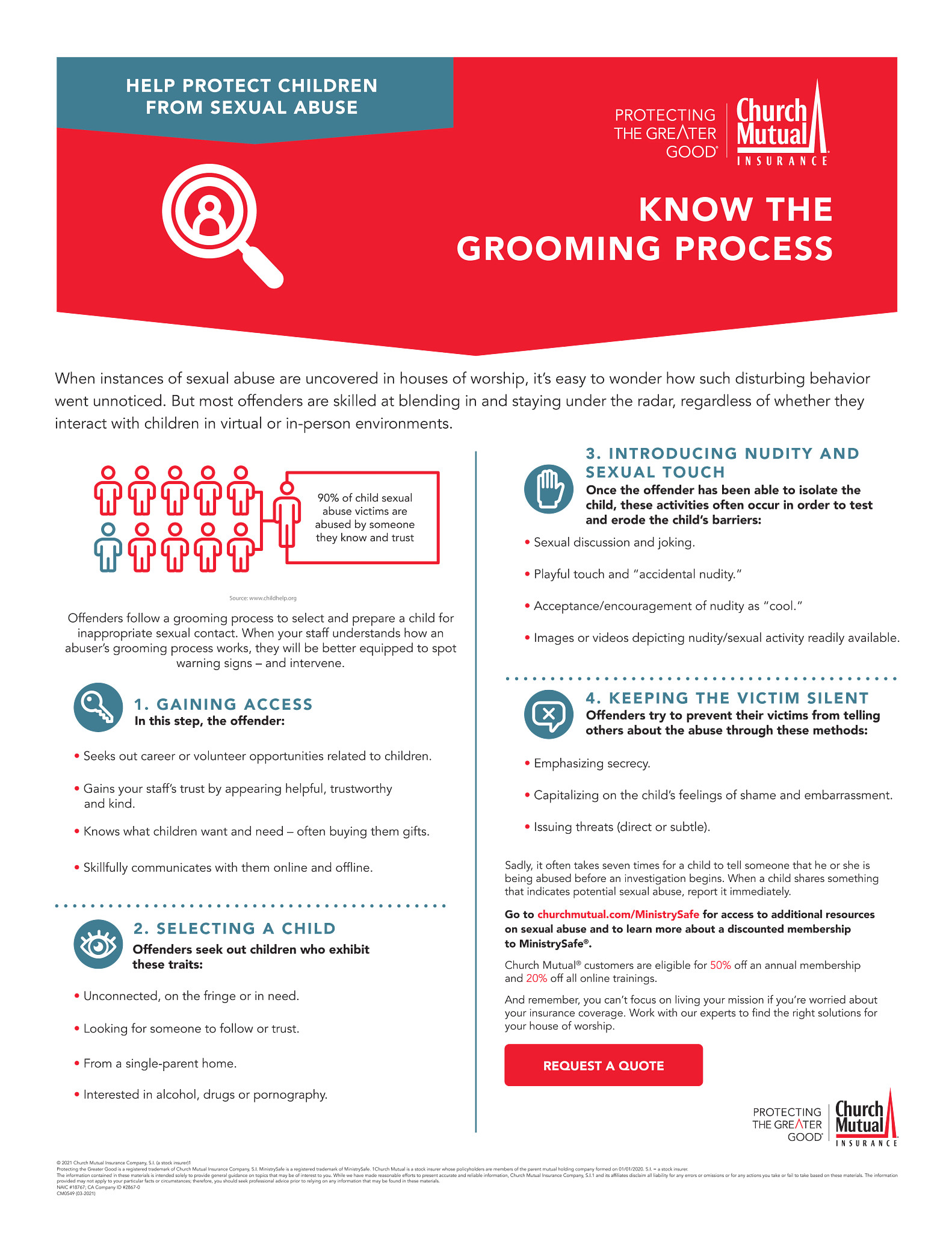
Screening adults who will have contact with your campers is an important safety measure for camps. However, not all abusers are adults.
In 2022, the American Camp Association (ACA) Crisis Hotline reported 16% of its calls were related to allegations of abuse — 67% of which were peer-to-peer incidents. Most common were camper-to-camper bullying and instances of sexual abuse and/or misconduct. Peer-to-peer abuse can also take the form of physical violence, teasing or hazing.
This creates a critical need to update policies and procedures to ensure your staff are prepared to better identify and prevent abuse. It’s also important to teach campers about positive social interactions and respect for boundaries through education and practice.
Reducing the risk of peer-to-peer abuse is a complex task, but here are a few steps you can take to strengthen your prevention practices:
When children are abused, whether by an adult or peer, it can have a lasting, potentially damaging impact. Allegations of abuse under your watch puts your camp’s reputation on the line. If abuse between campers happens at your camp, ultimately, it’s your responsibility.
To learn more about abuse prevention and what your organization can do to proactively reduce this highly sensitive risk, visit churchmutual.com/abuse.


Screening adults who will have contact with your campers is an important safety measure for camps. However, not all abusers are adults.
In 2022, the American Camp Association (ACA) Crisis Hotline reported 16% of its calls were related to allegations of abuse — 67% of which were peer-to-peer incidents. Most common were camper-to-camper bullying and instances of sexual abuse and/or misconduct. Peer-to-peer abuse can also take the form of physical violence, teasing or hazing.
This creates a critical need to update policies and procedures to ensure your staff are prepared to better identify and prevent abuse. It’s also important to teach campers about positive social interactions and respect for boundaries through education and practice.
Reducing the risk of peer-to-peer abuse is a complex task, but here are a few steps you can take to strengthen your prevention practices:
When children are abused, whether by an adult or peer, it can have a lasting, potentially damaging impact. Allegations of abuse under your watch puts your camp’s reputation on the line. If abuse between campers happens at your camp, ultimately, it’s your responsibility.
To learn more about abuse prevention and what your organization can do to proactively reduce this highly sensitive risk, visit churchmutual.com/abuse.
Screening adults who will have contact with your campers is an important safety measure for camps. However, not all abusers are adults.
In 2022, the American Camp Association (ACA) Crisis Hotline reported 16% of its calls were related to allegations of abuse — 67% of which were peer-to-peer incidents. Most common were camper-to-camper bullying and instances of sexual abuse and/or misconduct. Peer-to-peer abuse can also take the form of physical violence, teasing or hazing.
This creates a critical need to update policies and procedures to ensure your staff are prepared to better identify and prevent abuse. It’s also important to teach campers about positive social interactions and respect for boundaries through education and practice.
Reducing the risk of peer-to-peer abuse is a complex task, but here are a few steps you can take to strengthen your prevention practices:
When children are abused, whether by an adult or peer, it can have a lasting, potentially damaging impact. Allegations of abuse under your watch puts your camp’s reputation on the line. If abuse between campers happens at your camp, ultimately, it’s your responsibility.
To learn more about abuse prevention and what your organization can do to proactively reduce this highly sensitive risk, visit churchmutual.com/abuse.






.jpg)