Hurricane Isaias:
If you were impacted by the storm, here's
key recovery considerations for the days and weeks ahead

Security threats can affect organizations in many ways. Incidents such as theft, vandalism, unauthorized access and violence can occur with little warning and may result in:
A proactive security approach can help organizations:
Effective security is not a one-time effort. It requires ongoing assessment, planning and improvement as facilities, operations and risks evolve.
The Security and Crime Prevention Toolkit combines foundational security guidance with practical assessment resources to help organizations identify vulnerabilities, evaluate current practices and prioritize improvements.
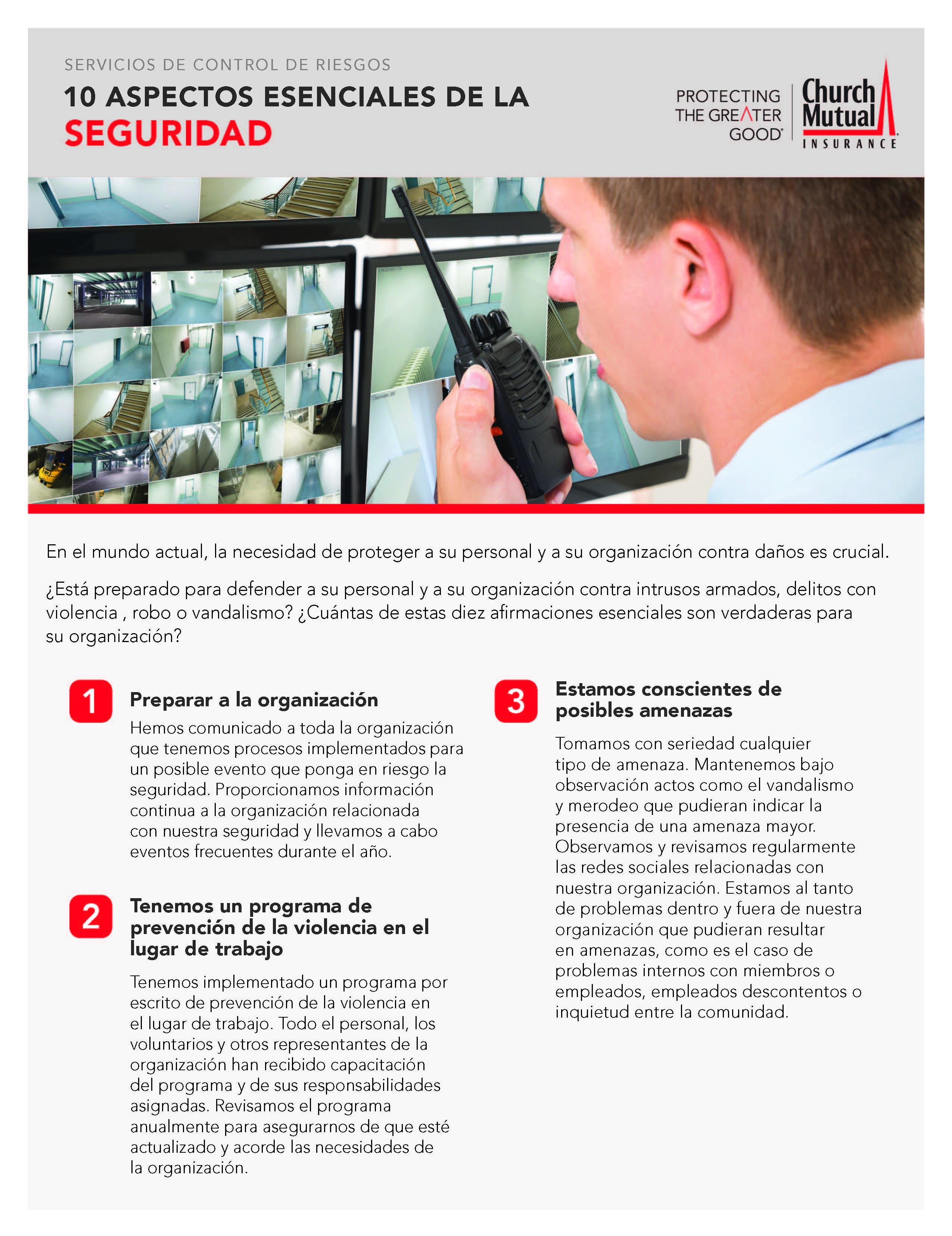
This foundational resource outlines key security principles organizations can use to help defend against theft, vandalism, unauthorized access and acts of violence.
The guidance can help organizations:
The 10 Essentials provide a practical framework for creating or enhancing a security program that protects both people and property.
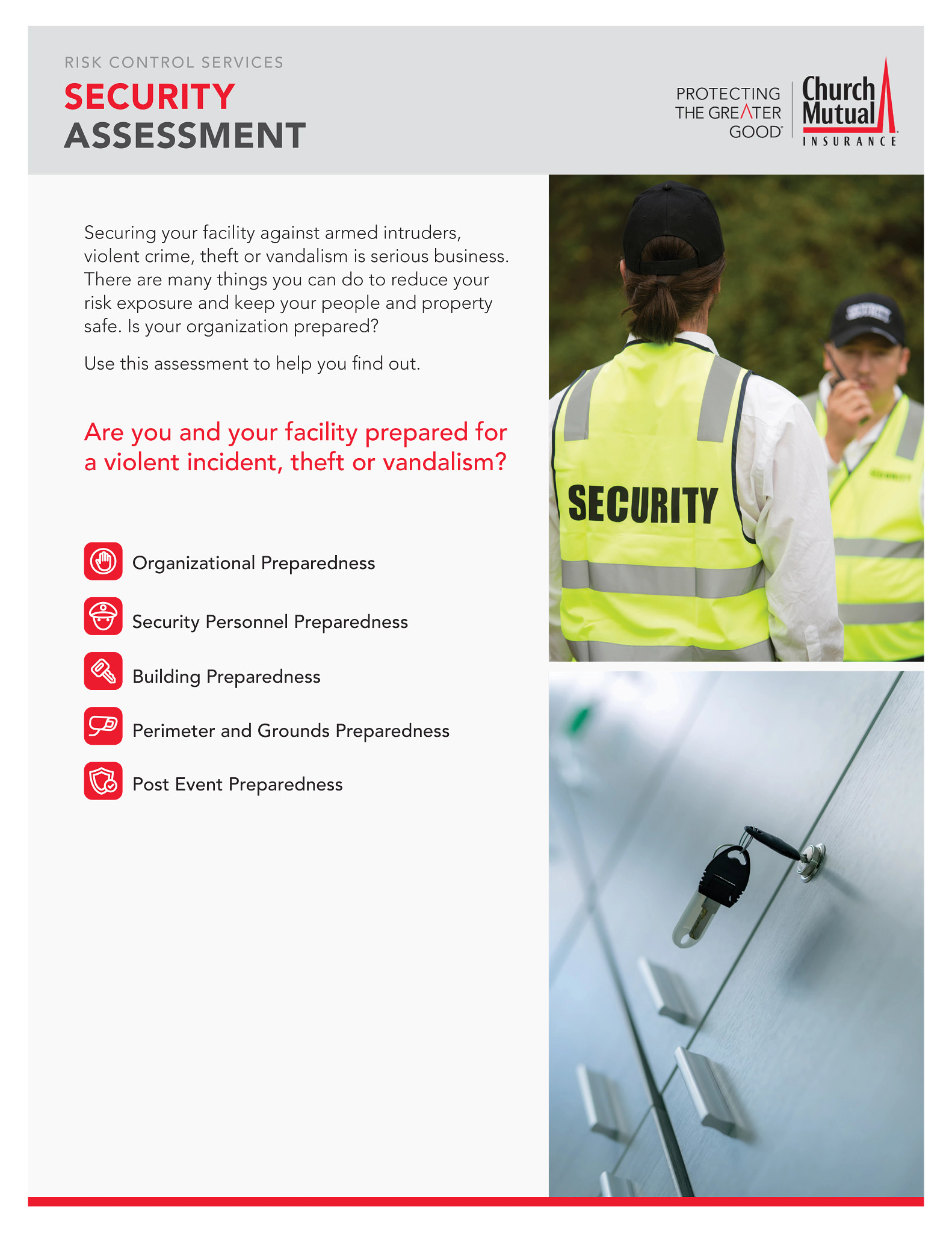
The Security Assessment helps organizations evaluate their current security posture through structured questions focused on facility safety, crime prevention and preparedness.
It can help organizations:
The assessment encourages thoughtful evaluation and continuous improvement, helping organizations make informed decisions about future security investments and initiatives.
Organizations may use this toolkit to:
Whether your organization is responding to a recent incident, addressing emerging concerns or simply looking to improve preparedness, the toolkit provides a practical starting point for strengthening security.
The Security and Crime Prevention Toolkit is designed for mission-driven organizations seeking to strengthen facility security and reduce crime-related risks, including:
Whether you're building a security program from the ground up or refining existing measures, these resources can help organizations of all sizes improve readiness and support a safer environment.
Strong security practices can help reduce risk, but even well-prepared organizations may experience crime-related losses. In addition to taking proactive steps to protect people and property, organizations may also want to consider how insurance can help protect their finances when an incident occurs.
Crime insurance is designed to help protect organizations from financial losses resulting from criminal acts. Depending on the policy, coverage may include losses related to theft, burglary, fraud, employee dishonesty, cybercrime and counterfeiting.
The toolkit focuses on common security and crime-related concerns, including theft, vandalism, unauthorized access, property crime and other security vulnerabilities that may impact people, property or operations.
No. The resources are designed to be flexible and scalable, making them useful for organizations of varying sizes, budgets and facility types.
Organizations should review security practices regularly and whenever significant changes occur, such as facility expansions, operational changes, staffing transitions or after a security-related incident.
No. The toolkit is intended to complement security planning efforts and can help organizations identify areas where additional expertise, consultation or specialized services may be beneficial.
By downloading the full toolkit, your organization can:
A safer organization starts with understanding risks and taking action to address them. The Security and Crime Prevention Toolkit provides practical resources to help you assess vulnerabilities, strengthen safeguards and support a more secure environment.


A security and crime prevention toolkit can help organizations identify security vulnerabilities, evaluate current practices and implement measures that reduce the risk of theft, vandalism, unauthorized access and other security threats.
Protecting people, property and operations requires more than reacting to incidents after they occur. A proactive approach to security can help organizations identify risks, strengthen safeguards and improve preparedness before an event disrupts daily activities.
The Security and Crime Prevention Toolkit brings together practical resources to help mission-driven organizations assess their security posture, identify opportunities for improvement and take meaningful steps to help protect their people, property and operations.
Whether you're establishing a security program, reviewing existing measures or looking for ways to enhance crime prevention efforts, this toolkit provides guidance and assessment tools to support informed decision-making and continuous improvement.
Security threats can affect organizations in many ways. Incidents such as theft, vandalism, unauthorized access and violence can occur with little warning and may result in:
A proactive security approach can help organizations:
Effective security is not a one-time effort. It requires ongoing assessment, planning and improvement as facilities, operations and risks evolve.
The Security and Crime Prevention Toolkit combines foundational security guidance with practical assessment resources to help organizations identify vulnerabilities, evaluate current practices and prioritize improvements.
This foundational resource outlines key security principles organizations can use to help defend against theft, vandalism, unauthorized access and acts of violence.
The guidance can help organizations:
The 10 Essentials provide a practical framework for creating or enhancing a security program that protects both people and property.
The Security Assessment helps organizations evaluate their current security posture through structured questions focused on facility safety, crime prevention and preparedness.
It can help organizations:
The assessment encourages thoughtful evaluation and continuous improvement, helping organizations make informed decisions about future security investments and initiatives.
Organizations may use this toolkit to:
Whether your organization is responding to a recent incident, addressing emerging concerns or simply looking to improve preparedness, the toolkit provides a practical starting point for strengthening security.
The Security and Crime Prevention Toolkit is designed for mission-driven organizations seeking to strengthen facility security and reduce crime-related risks, including:
Whether you're building a security program from the ground up or refining existing measures, these resources can help organizations of all sizes improve readiness and support a safer environment.
Strong security practices can help reduce risk, but even well-prepared organizations may experience crime-related losses. In addition to taking proactive steps to protect people and property, organizations may also want to consider how insurance can help protect their finances when an incident occurs.
Crime insurance is designed to help protect organizations from financial losses resulting from criminal acts. Depending on the policy, coverage may include losses related to theft, burglary, fraud, employee dishonesty, cybercrime and counterfeiting.
The toolkit focuses on common security and crime-related concerns, including theft, vandalism, unauthorized access, property crime and other security vulnerabilities that may impact people, property or operations.
No. The resources are designed to be flexible and scalable, making them useful for organizations of varying sizes, budgets and facility types.
Organizations should review security practices regularly and whenever significant changes occur, such as facility expansions, operational changes, staffing transitions or after a security-related incident.
No. The toolkit is intended to complement security planning efforts and can help organizations identify areas where additional expertise, consultation or specialized services may be beneficial.
By downloading the full toolkit, your organization can:
A safer organization starts with understanding risks and taking action to address them. The Security and Crime Prevention Toolkit provides practical resources to help you assess vulnerabilities, strengthen safeguards and support a more secure environment.
A security and crime prevention toolkit can help organizations identify security vulnerabilities, evaluate current practices and implement measures that reduce the risk of theft, vandalism, unauthorized access and other security threats.
Protecting people, property and operations requires more than reacting to incidents after they occur. A proactive approach to security can help organizations identify risks, strengthen safeguards and improve preparedness before an event disrupts daily activities.
The Security and Crime Prevention Toolkit brings together practical resources to help mission-driven organizations assess their security posture, identify opportunities for improvement and take meaningful steps to help protect their people, property and operations.
Whether you're establishing a security program, reviewing existing measures or looking for ways to enhance crime prevention efforts, this toolkit provides guidance and assessment tools to support informed decision-making and continuous improvement.
Security threats can affect organizations in many ways. Incidents such as theft, vandalism, unauthorized access and violence can occur with little warning and may result in:
A proactive security approach can help organizations:
Effective security is not a one-time effort. It requires ongoing assessment, planning and improvement as facilities, operations and risks evolve.
The Security and Crime Prevention Toolkit combines foundational security guidance with practical assessment resources to help organizations identify vulnerabilities, evaluate current practices and prioritize improvements.
This foundational resource outlines key security principles organizations can use to help defend against theft, vandalism, unauthorized access and acts of violence.
The guidance can help organizations:
The 10 Essentials provide a practical framework for creating or enhancing a security program that protects both people and property.
The Security Assessment helps organizations evaluate their current security posture through structured questions focused on facility safety, crime prevention and preparedness.
It can help organizations:
The assessment encourages thoughtful evaluation and continuous improvement, helping organizations make informed decisions about future security investments and initiatives.
Organizations may use this toolkit to:
Whether your organization is responding to a recent incident, addressing emerging concerns or simply looking to improve preparedness, the toolkit provides a practical starting point for strengthening security.
The Security and Crime Prevention Toolkit is designed for mission-driven organizations seeking to strengthen facility security and reduce crime-related risks, including:
Whether you're building a security program from the ground up or refining existing measures, these resources can help organizations of all sizes improve readiness and support a safer environment.
Strong security practices can help reduce risk, but even well-prepared organizations may experience crime-related losses. In addition to taking proactive steps to protect people and property, organizations may also want to consider how insurance can help protect their finances when an incident occurs.
Crime insurance is designed to help protect organizations from financial losses resulting from criminal acts. Depending on the policy, coverage may include losses related to theft, burglary, fraud, employee dishonesty, cybercrime and counterfeiting.
The toolkit focuses on common security and crime-related concerns, including theft, vandalism, unauthorized access, property crime and other security vulnerabilities that may impact people, property or operations.
No. The resources are designed to be flexible and scalable, making them useful for organizations of varying sizes, budgets and facility types.
Organizations should review security practices regularly and whenever significant changes occur, such as facility expansions, operational changes, staffing transitions or after a security-related incident.
No. The toolkit is intended to complement security planning efforts and can help organizations identify areas where additional expertise, consultation or specialized services may be beneficial.
By downloading the full toolkit, your organization can:
A safer organization starts with understanding risks and taking action to address them. The Security and Crime Prevention Toolkit provides practical resources to help you assess vulnerabilities, strengthen safeguards and support a more secure environment.