Tropical Depression Five:
As the storm moves inland, stay informed and access
last-minute preparedness tips.
Disclaimer: The information provided is intended for general guidance only and does not constitute medical, legal or regulatory advice. Organizations should consult appropriate professionals and applicable regulations to determine requirements specific to their operations.
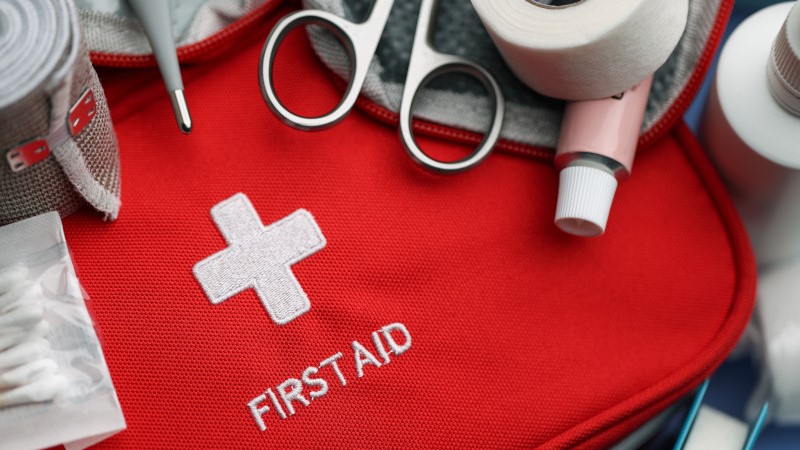
Accidents and medical incidents can happen in any setting — during daily operations, events, volunteer activities or routine facility use. While organizations are not expected to replace professional medical care, having a well‑maintained first‑aid kit available can help stabilize minor injuries and support emergency response until help arrives.
A first‑aid kit is best understood as a preparedness and injury‑prevention tool, not a treatment program. When thoughtfully assembled and appropriately used, it can help reduce risk, limit injury severity and support safer outcomes.
A first‑aid kit is intended to:
It should not be used to administer prescription medications, diagnose conditions or replace emergency medical care.
Because requirements vary by organization type, activity level and applicable regulations, this list focuses on non‑medicated, low‑risk supplies suitable for general use.
The American Red Cross recommends first‑aid kits include items that help control bleeding, protect responders and stabilize injuries until advanced care is available.
Bleeding and wound care supplies
Protective and barrier equipment
Tools and support items
Important note on medications: Many organizations choose not to include medications in shared first‑aid kits due to allergy risks, expiration concerns, regulatory requirements and training considerations. If medications are included, organizations should consult legal, medical and regulatory guidance specific to their operations.
Accessibility is critical. First‑aid kits should be:
The American Red Cross recommends knowing the location of first‑aid kits wherever you work or gather.
A neglected kit can be as ineffective as no kit at all. Best practices include:
Routine checks help ensure supplies are ready when needed.
Organizations often want to “do more,” but preparedness should be proportionate to risk. Not every organization needs designated medical responders, specialized training or medical data collection procedures.
Instead, a safer baseline approach includes:
This approach can help reduce unintended liability while still supporting responsible safety preparedness.
For detailed, activity‑specific guidance and nationally recognized recommendations, the American Red Cross provides comprehensive resources on building and maintaining first‑aid kits:
Anatomy of a First-Aid Kit | American Red Cross
A first‑aid kit is a simple but powerful part of an organization’s overall safety strategy. When paired with clear boundaries, proper maintenance and an understanding of its purpose, it can help support injury prevention and emergency readiness — without introducing unnecessary risk.
Preparedness doesn’t necessarily require complexity. It requires clarity, consistency and care.


Disclaimer: The information provided is intended for general guidance only and does not constitute medical, legal or regulatory advice. Organizations should consult appropriate professionals and applicable regulations to determine requirements specific to their operations.
Accidents and medical incidents can happen in any setting — during daily operations, events, volunteer activities or routine facility use. While organizations are not expected to replace professional medical care, having a well‑maintained first‑aid kit available can help stabilize minor injuries and support emergency response until help arrives.
A first‑aid kit is best understood as a preparedness and injury‑prevention tool, not a treatment program. When thoughtfully assembled and appropriately used, it can help reduce risk, limit injury severity and support safer outcomes.
A first‑aid kit is intended to:
It should not be used to administer prescription medications, diagnose conditions or replace emergency medical care.
Because requirements vary by organization type, activity level and applicable regulations, this list focuses on non‑medicated, low‑risk supplies suitable for general use.
The American Red Cross recommends first‑aid kits include items that help control bleeding, protect responders and stabilize injuries until advanced care is available.
Bleeding and wound care supplies
Protective and barrier equipment
Tools and support items
Important note on medications: Many organizations choose not to include medications in shared first‑aid kits due to allergy risks, expiration concerns, regulatory requirements and training considerations. If medications are included, organizations should consult legal, medical and regulatory guidance specific to their operations.
Accessibility is critical. First‑aid kits should be:
The American Red Cross recommends knowing the location of first‑aid kits wherever you work or gather.
A neglected kit can be as ineffective as no kit at all. Best practices include:
Routine checks help ensure supplies are ready when needed.
Organizations often want to “do more,” but preparedness should be proportionate to risk. Not every organization needs designated medical responders, specialized training or medical data collection procedures.
Instead, a safer baseline approach includes:
This approach can help reduce unintended liability while still supporting responsible safety preparedness.
For detailed, activity‑specific guidance and nationally recognized recommendations, the American Red Cross provides comprehensive resources on building and maintaining first‑aid kits:
Anatomy of a First-Aid Kit | American Red Cross
A first‑aid kit is a simple but powerful part of an organization’s overall safety strategy. When paired with clear boundaries, proper maintenance and an understanding of its purpose, it can help support injury prevention and emergency readiness — without introducing unnecessary risk.
Preparedness doesn’t necessarily require complexity. It requires clarity, consistency and care.
Disclaimer: The information provided is intended for general guidance only and does not constitute medical, legal or regulatory advice. Organizations should consult appropriate professionals and applicable regulations to determine requirements specific to their operations.
Accidents and medical incidents can happen in any setting — during daily operations, events, volunteer activities or routine facility use. While organizations are not expected to replace professional medical care, having a well‑maintained first‑aid kit available can help stabilize minor injuries and support emergency response until help arrives.
A first‑aid kit is best understood as a preparedness and injury‑prevention tool, not a treatment program. When thoughtfully assembled and appropriately used, it can help reduce risk, limit injury severity and support safer outcomes.
A first‑aid kit is intended to:
It should not be used to administer prescription medications, diagnose conditions or replace emergency medical care.
Because requirements vary by organization type, activity level and applicable regulations, this list focuses on non‑medicated, low‑risk supplies suitable for general use.
The American Red Cross recommends first‑aid kits include items that help control bleeding, protect responders and stabilize injuries until advanced care is available.
Bleeding and wound care supplies
Protective and barrier equipment
Tools and support items
Important note on medications: Many organizations choose not to include medications in shared first‑aid kits due to allergy risks, expiration concerns, regulatory requirements and training considerations. If medications are included, organizations should consult legal, medical and regulatory guidance specific to their operations.
Accessibility is critical. First‑aid kits should be:
The American Red Cross recommends knowing the location of first‑aid kits wherever you work or gather.
A neglected kit can be as ineffective as no kit at all. Best practices include:
Routine checks help ensure supplies are ready when needed.
Organizations often want to “do more,” but preparedness should be proportionate to risk. Not every organization needs designated medical responders, specialized training or medical data collection procedures.
Instead, a safer baseline approach includes:
This approach can help reduce unintended liability while still supporting responsible safety preparedness.
For detailed, activity‑specific guidance and nationally recognized recommendations, the American Red Cross provides comprehensive resources on building and maintaining first‑aid kits:
Anatomy of a First-Aid Kit | American Red Cross
A first‑aid kit is a simple but powerful part of an organization’s overall safety strategy. When paired with clear boundaries, proper maintenance and an understanding of its purpose, it can help support injury prevention and emergency readiness — without introducing unnecessary risk.
Preparedness doesn’t necessarily require complexity. It requires clarity, consistency and care.